

Mona Shahriari, MD, and Andrew F Alexis, MD, MPH, discussed the multifaceted considerations dermatologists should weigh when treating patients with skin of color diagnosed with plaque psoriasis.
Lana Pine is the editor of HCPLive Rheumatology. She is an experienced editor and technical writer with a demonstrated history of working in the banking and publishing industries. In her free time, she enjoys cooking, yoga, listening to podcasts, and drawing. She can be reached via email at [email protected].
Mona Shahriari, MD, and Andrew F Alexis, MD, MPH, discussed the multifaceted considerations dermatologists should weigh when treating patients with skin of color diagnosed with plaque psoriasis.

Susan C. Taylor, MD, emphasizes the importance of understanding the unique biological differences and needs of individuals with skin of color.

Results of several clinical trials demonstrated the superior efficacy of risankizumab compared with apremilast or placebo.

Benjamin Lockshin, MD, explains the current landscape of oral medications for plaque psoriasis, emerging developments in treatment, and the importance of shared decision-making.

Providers identified an increased administrative workload and inadequate biosimilar device training as pain points during a mandatory switch to a biosimilar.

The proposed denosumab biosimilar, SB16, demonstrated pharmacokinetic bioequivalence, as well as equivalent efficacy, safety, and immunogenicity,

Results of a recent systematic review demonstrated no difference in the immunogenicity rates and safety profiles in patients who switched to a biosimilar and those who continued to receive the reference product.

Feldman discusses the importance of self-education and open communication between patient and physician to help stay informed about relevant laws.

Feldman explains how healthcare legislation and regulation play a pivotal role in shaping patient care and costs.

Madelaine Feldman, MD, discusses the role pharmacy benefit managers play in delaying patient care.

Results demonstrated comparable safety, immunogenicity, and pharmacokinetics between adalimumab-afzb and the reference product.
The rheumatology month in review highlights top data from the 2023 CCR West, CBT for reducing pain catastrophizing in patients with fibromyalgia, and the link between gout and a reduced likelihood of Alzheimer Disease.

The biosimilar month in review highlights an interview with leading experts, the latest data regarding switching between biologics and biosimilars, and the efficacy of infliximab biosimilars among patients with inflammatory conditions.

At week 16, no significant differences in response rates were observed regarding the adalimumab biologic and biosimilars.

The biosimilar was deemed comparable and tolerable in terms of safety between groups.

Although most clinicians surveyed are unopposed to prescribing adalimumab biosimilars, hesitancies surrounding prescribing practices and an uncertainty of cost savings remains.

Most patients continued treatment with the adalimumab biosimilar over 2 years, with a treatment retention rate of 73.1%.

A confirmatory efficacy and safety study demonstrated therapeutic equivalence, immunogenicity, pharmacokinetics, and safety of an aflibercept biosimilar.

Stephen Ziegler, PhD, JD, discusses the challenges cannabis treatment presents as a form of complementary therapy for rheumatic disease.

Stephen Ziegler, PhD, JD, describes the various alternative and complementary treatments available for palliative care and pain management in patients with rheumatic disease.
Stephen Ziegler, PhD, JD, explains pain management and prescribing opioid medications in the wake of Ruan v United States.

Elizabeth Volkmann, MD, MS, explains the current treatment options available for SSc-ILD and how to evaluate and manage this patient population.
Elizabeth Volkmann, MD, MS, discusses systemic sclerosis associated interstitial lung disease and how to evaluate subclinical, clinical, and progressive disease for the best outcome.

Jeffrey Sparks, MD, MMSc, explains how to tailor rheumatoid arthritis treatment for an individual patient’s needs and when to consider switching or intensifying treatment.

Yvonne C. Lee, MD, MMSc, explains the pain mechanisms in rheumatic disease and the promising advancements in pain research.
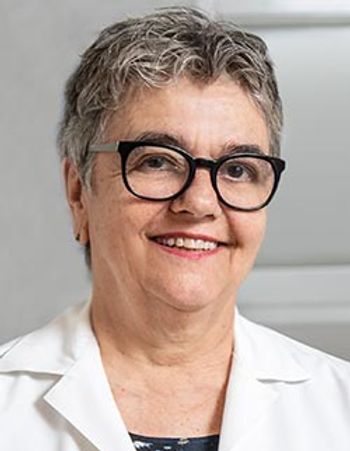
Susan Goodman, MD, discusses pre and perioperative management of rheumatic disease.

A switch from a biologic treatment to a biosimilar demonstrated comparable effects for both primary and co-primary outcomes in patients with rheumatoid arthritis.

A higher pain score and a higher active joint count were shown to be predictive of higher pain over time.

Disease activity improved by week 16 in patients receiving CT-P13 and was maintained through the end of the treatment period.

The study met its primary endpoint of PASI improvement in the biosimilar and bio-originator cohorts.