
Results from a 2017 clinical trial indicated that the Accelerate Pheno system produced an ID result in about 1 hour and 24 minutes in 95% of runs.
Results from a 2017 clinical trial indicated that the Accelerate Pheno system produced an ID result in about 1 hour and 24 minutes in 95% of runs.

This week on MDNN: Opioids fare worse for chronic pain, ACP releases new diabetes guidelines, daclizumab is withdrawm from markets, and the FDA makes moves.





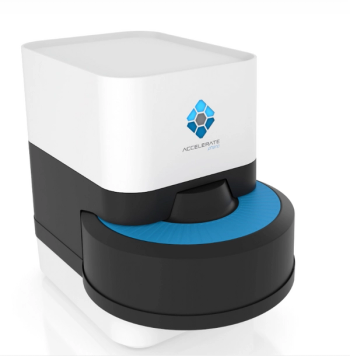
The Accelerate PhenoTM system allows for pathogen identification in only 90 minutes, and is revolutionizing infectious disease diagnostics.






Stay updated on the biggest headlines with MDNN from November 24, 2017.

Stay updated on the biggest headlines with MDNN from November 17, 2017.

Stay updated on the biggest headlines with MDNN from November 10, 2017.

Stay updated on the biggest headlines with MDNN from October 20, 2017.

On behalf of Pernix Therapeutics, Dr. Ira Turner (Neurologist/Headache specialist at Island Neurological Associates, Plainview, NY) describes how he approaches treating migraines, including best practices for different age groups and treatment during pregnancy.

The 2017 American Psychiatric Association (APA) Meeting in San Diego, “Prevention Through Partnerships,” helped attendees stay abreast of the rapid changes in the field due to new science, technologies, systems of care, collaborations, and partnerships, while making new connections and renewing old ones. The meeting offered more than 450 educational sessions and courses to expand practitioners’ knowledge, network, and meet certification and licensure requirements.
On behalf of Pernix Therapeutics, Dr. George Nissan (Headache Specialist, North Texas Institute of Neurology and Headache) discusses common migraine triggers and everyday tweaks to help prevent them.
On behalf of Pernix Therapeutics, Dr. Heather McCoy (Nurse Practitioner, Integrative Headache Care, Scottsdale, AZ) describes how she approaches diagnosing migraines, including obtaining a patient’s history, conducting a physical exam, as well as the use of imaging tests.
Readers can expect unprecedented content, such as research developments, articles, and interviews that can help physicians better serve their patients.
On behalf of Pernix Therapeutics, Dr. Bruce Corser (Medical Director, Sleep Management Institute, Cincinnati, OH) describes how he approaches diagnosing and treating insomnia. He discusses cognitive behavioral therapy (CBT), as well as common medications, such as over the counter options, benzodiazepines, non-benzodiazepines among others, to consider with your patients.
On behalf of Pernix Therapeutics, Dr. Damon Raskin (Diplomate of the American Board of Addiction Medicine, Pacific Palisades, Ca) discusses the different types of insomnia, including sleep onset and sleep maintenance insomnia. Dr. Raskin also highlights how age can affect what type of insomnia your patients might be experiencing, as well as treatment goals and examples.

Researchers suggest that family-based cognitive behavioral therapy may be a key factor in treating children with autism spectrum disorder who have problems sleeping.

The CDC's Lauri A. Hicks, DO, captain, US Public Health Service, director, Office of Antibiotic Stewardship, explains how antibiotics can be harmful if they are not used appropriately.

University of Houston researchers suggest that children who experience inadequate or disrupted sleep are more likely to develop depression and anxiety orders later in life.

Adults diagnosed with bipolar disorder are much more likely than the general population to have suffered emotional, physical, or sexual abuse as children.

Researchers report there is evidence of a correlation between immune recovery and the behavior of a certain subset of gut bacteria in patients with HIV treated with antiretroviral therapy.

Study results show that adults with chronic low back pain are more likely to use illicit drugs—including marijuana, cocaine, heroin, and methamphetamine—than those without chronic low back pain.