

Patrick Campbell
Advertisement
Patrick Campbell is the editorial director of HCPLive. Patrick has spent years spearheading coverage surrounding cardiometabolic health and rheumatic disease for MJH Life Sciences. Before joining MJH Life Sciences in 2019, he spent time as a beat reporter and/or multimedia specialist with the Pocono Record, Star News Group, and NJ Advance Media. He is the executive producer for multiple HCPLive podcasts, including Diabetes Dialogue, Don't Miss a Beat, Kidney Compass, Medical Ethics Unpacked, The Medical Sisterhood, and Skin of Color Savvy.
Follow him on Twitter @RealPatCampbell or reach him via email at [email protected].
Articles by Patrick Campbell

Less than 2 months after being the subject of an FDA AdComm meeting, Abbott's TriClip TEER System has received approval for tricuspid regurgitation.

A recap of the biggest FDA news and decisions in cardiovascular medicine from the first 3 months of 2024, with commentary on recent announcements by Deepak Bhatt, MD, MPH, MBA.

Verve Therapeutics announced plans to voluntary pause enrollment of the Heart-1 trial, citing an adverse event and consultation with DSMB, with plans to shift focus to VERVE-102 and Heart-2 trial.

The first-in-human trial of VRON-0200, a novel immunotherapy for chronic hepatitis B virus, presented at the APSAL meeting, demonstrates a promising safety and tolerability profile.

A REDUCE-IT analysis highlights consistent cardiovascular benefits with icosapent ethyl across varying levels of Lp(a).
The US FDA approval of sotatercept for PAH was announced by Merck on March 26, 2024.

Michael Weber, MD, lead of the PRECISION trial, discusses the significance of the aprocitentan (Tryvio) approval and key points for providers who may have patients with uncontrolled hypertension.

Presence of nephritis in SLE patients is linked to higher cardiovascular risk factors and 3-fold increase in incidence of cardiovascular mortality.

Implementing a Food as Medicine program improved diet, physical activity, and reduced cardiovascular risk factors among participants.
The FDA's approval of the label expansion for bempedoic acid to include cardiovascular risk reduction is based on data from the CLEAR Outcomes trial.

An analysis of 3 randomized clinical trials from the evinacumab program suggests the ANGPTL3 inhibitor was associated with reduced triglyceride-rich lipoprotein levels.
Idorsia Ltd. announced the FDA's approval of aprocitentan (Tryvio) for treatment-resistant hypertension on March 20, 2024.

An analysis of NHANES data suggests fewer than 3 in 10 patients with NAFLD received statin therapy, with only 50% with dyslipidemia receiving statins.
The FDA has cleared Sequel's twiist, a novel automated insulin delivery system, expanding patient choice for individuals with type 1 diabetes.
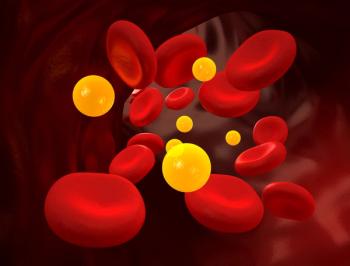
Silence Therapeutics' announcement of topline data from the ALPACAR-360 trial shows promising results for zerlasiran in reducing Lp(a) levels.
On March 15, 2024, the FDA approval of fluticasone propionate nasal spray marks the first approval in agency history for treatment of chronic rhinosinusitis without nasal polyps.

To acknowledge World Kidney Day, our latest episode of Crisis Point focuses on the stigma surrounding the use of HCV-positive donor kidneys amid the ongoing organ shortage crisis, with the perspective of a pair of experts and an HCV donor kidney recipient.

A new study suggests a next-generation stool DNA test from Exact Sciences has improved sensitivity for colorectal cancer and precancerous lesions but lower specificity than FIT.

New data from the Family Heart Foundation highlights low access to PCSK9 inhibitors due to insurance rejections, despite guidelines recommending their use for high-risk patients.

Eiran Gorodeski, MD, MPH, discusses a recent scientific statement composed on behalf of the Heart Failure Society of America highlighting the impact of cognitive impairment on patients with heart failure.

Study links childhood amblyopia with increased risk of cardiometabolic dysfunction in adulthood.
Nearly a decade after becoming the first PCSK9 inhibitor to receive approval from the FDA, alirocumab (Praluent) has now received approval for pediatric patients with HeFH based on data from a phase 3 trial.
On March 08, 2024, the FDA approved semaglutide 2.4 mg (Wegovy) to reduce cardiovascular risk in adults with obesity or overweight and heart disease based on the SELECT trial.

An analysis of the Strong Heart Family Study details High rates of dyslipidemia in American Indian youth and young adults, with more than 70% of those 15-39 years old affected.

On March 07, 2024, Novo Nordisk provided updates on semaglutide 2.4 mg as well as the development programs cagrisema, monlunabant, and amycretin.

On March 07, 2024, Boehringer Ingelheim announced it would be instituting a $35 per month out-of-pocket cost cap for its portfolio of inhaler products, with this cap going into effect on June 01, 2024.
In our endocrinology month in review for February 2024, we are spotlighting trending studies and new data in endocrinology, the latest news surrounding tirzepatide, and a recap of the 4 episodes of our flagship endocrinology podcast launched during the last month.

A study suggests that opting for thyroid surgery or radioactive iodine therapy could be better for reducing long-term cardiovascular risk in hyperthyroidism patients compared to medication alone.
The FDA has greenlit Dexcom's Stelo Glucose Biosensor System, marking a historic first as the first continuous glucose monitors to be available over-the-counter.
Advertisement
Advertisement
Advertisement
Trending on HCPLive
1
FDA Updates Sotatercept Label with HYPERION Data in Early PAH
2
Half-Life vs. Real Life: How Real-World Evidence Is Reframing Wet AMD Treatment
3
FAQ: What the Expanded Marstacimab Approval Means for Hemophilia A, B
4
EMBARQ-CSU: Barzolvolimab Meets Primary, Secondary Endpoints in CSU Trials
5