

A new analysis of the REDUCE-IT trial reveals the benefits of icosapent ethyl in reducing cardiovascular outcomes regardless of LDL-C levels.
Patrick Campbell is the editorial director of HCPLive. Patrick has spent years spearheading coverage surrounding cardiometabolic health and rheumatic disease for MJH Life Sciences. Before joining MJH Life Sciences in 2019, he spent time as a beat reporter and/or multimedia specialist with the Pocono Record, Star News Group, and NJ Advance Media. He is the executive producer for multiple HCPLive podcasts, including Diabetes Dialogue, Don't Miss a Beat, Kidney Compass, Medical Ethics Unpacked, The Medical Sisterhood, and Skin of Color Savvy.
Follow him on Twitter @RealPatCampbell or reach him via email at [email protected].
A new analysis of the REDUCE-IT trial reveals the benefits of icosapent ethyl in reducing cardiovascular outcomes regardless of LDL-C levels.

Meta-analysis of 11 phase 3 trials shows SGLT2 inhibitors reduce cardiovascular event risk by 9% across diverse patient populations.

Topline data from the SURMOUNT-OSA studies provide insight into the effects of tirzepatide in OSA with obesity, with Lilly disclosing plans for a regulatory submission mid-year.

Olezarsen shows promise in managing familial chylomicronemia syndrome, reducing triglycerides and acute pancreatitis events.
Ersilia DeFillipis, MD, discusses a trio of studies she presented at ACC.24 examining different financial hurdles and barriers encountered by people in need of heart transplants.

An ACC.24 analysis found a decline in TTM use post-2013 TTM trial, which investigators suggest indicates a potential misinterpretation of trial findings.

Laura Ross, PA-C, sits down for a Q&A on the HeartBeet Clinic and the role of reimbursable group visits in cardiovascular disease management and education.
A retrospective analysis of EHR data from ACC.24 provides insight into the effects of ARNI relative to ACEi/ARB in patients with newly diagnosed heart failure and an LVEF greater than 40%.

Safia Chatur, MD, discusses the results of a PARADIGM-HF analysis at ACC.24 examining the effects of ARNI use across the updated 2024 KDIGO Risk Classifications.
Ankeet Bhatt, MD, MBA, discusses a NUDGE-FLU analysis from ACC.24 examining effect of the CV gain-framed nudge in patients with and without history of AMI.

Ahmad Masri, MD, MS, discusses a study from ACC.24 examining trends in incidence and outcomes of emergency department visits related to hypertrophic cardiomyopathy from 2006 to 2019.

Sara Saberi, MD, discusses 1-year data from a cohort of 46 patients within the FOREST-HCM trial at ACC.24.

Deepak Bhatt, MD, MPH, MBA, provides a recap of top trials and new data from the American College of Cardiology's 2024 Annual Scientific Session.
A trio of experts discuss their perspectives on the recent advancement in pharmacotherapy within the management of hypertrophic cardiomyopathy.

A study on a web app for nonprescription statin therapy shows high concordance with clinician assessment, with 84.5% of participants achieving LDL-C reduction of 20% or more.
José López, MD, discusses a case series from ACC.24 related to leadless pacemaker extraction and reimplantation.

Christie Ballantyne, MD, discusses new data from the ROSE2 trial examining the potential synergistic effects of obicetrapib with ezetimibe in high-intensity statin users.
Martin Maron, MD, discusses the results of the IMPROVE-HCM trial and how it informs the community on the potential of ninerafaxstat.
Christie Ballantyne, MD, discusses data from the SHASTA-2 trial and how it informs the community on the potential of plozasiran in management of severe hypertriglyceridemia.

Veraprapas Kittipibul, MD, discusses an analysis of the TRANSFORM-HF trial at ACC.24.

Muthiah Vaduganathan, MD, MPH, discusses a presentation from ACC.24 assessing the effects of dapagliflozin across a range of left ventricular hypertrophy from DELIVER.

REDUCE-AMI concluded beta-blockers show no significant benefit following myocardial infarction among patients with normal left ventricular ejection fraction
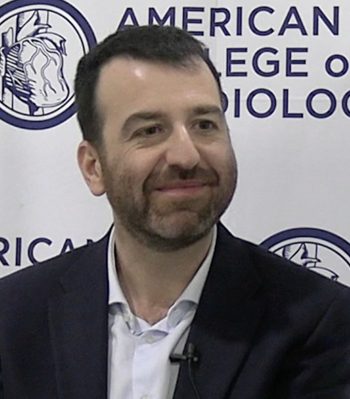
Alberto Foà, MD, PhD, discusses a PARAGON-HF analysis from ACC.24 examining treatment-related hypotension in people with HFmrEF/HFpEF.

Plozasiran demonstrates a 74% reduction in triglyceride levels at 24 weeks in patients with severe hypertriglyceridemia in the phase 2b SHASTA-2 trial.
Veraprapas Kittipibul, MD, discusses a study examining costs associated with heart failure hospitalization among patients with HFrEF or HFpEF from within the GWTG-HF registry.
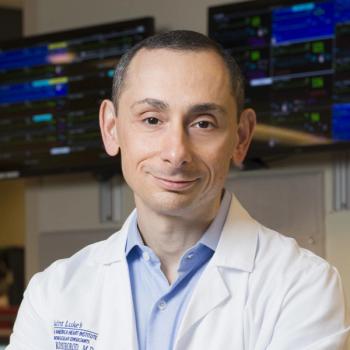
The STEP HFpEF DM trial at ACC.24 shows significant improvements in symptoms among patients with obesity-related HFpEF and diabetes mellitus.
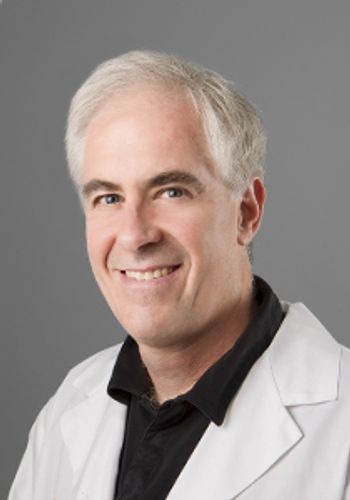
New data from a phase 3b trial presented at ACC.24 underlines the potential of inclisiran in reducing LDL-C levels among patients with ASCVD.

CSL112 infusion did not reduce major cardiovascular events at 90 days but further analysis suggests patients with elevated LDL-C levels could derive significant benefit.

Results of EMPACT-MI suggest use of empagliflozin was not associated with a statistically significant reduction in a composite of death and heart failure hospitalization.
In this endocrinology month in review for March 2024, we recap the most popular FDA news and pipeline updates as well as recognizing the 2-year anniversary of Diabetes Dialogue.