

























































Dr Deepak L. Bhatt provides insight on approaching the diagnosis of atrial fibrillation and the burden on patients, providers, and the overall health care system.

Dr Deepak L. Bhatt provides insight on approaching the diagnosis of atrial fibrillation and the burden on patients, providers, and the overall health care system.
Deepak L. Bhatt, MD, MPH, FACC, FAHA, FSCAI, FESC, reviews the prevalence of atrial fibrillation and risk factors for developing the disease.

A study from HRS 2022 suggests Black patients with AFib were 25% less likely to be on oral anticoagulants at hospital discharge compared to their White counterparts those discharged 18% less likely to receive DOACs than their White counterparts.

Data from the VITAL-AF trial indicate universal screening with single-lead ECGs among patients 65 years and older in primary care settings did not significantly increase in new atrial fibrillation diagnoses, but was more effective in patients aged 85 years or older.

An analysis of data from the National Inpatient Sample suggests pregnancies conceived by assisted reproductive technology carried a 1.7- and 2.5-fold increase in risk for arrhythmia and acute kidney injury compared to those conceived without ART.

Implicity announced their ILR ECG Analyzer received 510(k) clearance from the FDA in a statement released on December 16.
A retrospective analysis of data from a Chicago School of Medicine care center provides insight into the apparent increase in risk of atrial fibrillation among patients with sickle cell disease.
A recent analysis found patients with diabetes were about 26% less likely to notice symptoms of atrial fibrillation and more likely to experience more comorbidities than their counterparts without diabetes.

Every year, AHA Scientific Sessions provides clinicians and researchers with a glimpse into the latest data from clinical trials. Our editorial staff's top picks for late-breaking data from AHA 2021 Scientific Sessions includes AVATAR, RAPID CABG, REVERSE-IT, and more.

Data from the Fitbit Heart study presented at AHA 2021 suggest a novel algorithm for detecting irregular heart rhythms had a positive predictive value of 98% for detecting atrial fibrillation in patients with undiagnosed atrial fibrillation.

After 2 years, there was little difference in cognitive function between patients with nonvalvular atrial fibrillation receiving dabigatran or warfarin in the GIRAF trial, which was presented at AHA 2021.

A meta-analysis and systematic review of 7 RCTs suggests consuming more than 1 gram of marine omega-3 fatty acid supplements per day could increase a patient's risk of atrial fibrillation.
Data from more than 800 patients with 120 days of continuous heart monitoring data and ischemic stroke provide insight into the timing of arrhythmic episodes and how it can help predict the risk of stroke in patients with CIEDs and atrial fibrillation.
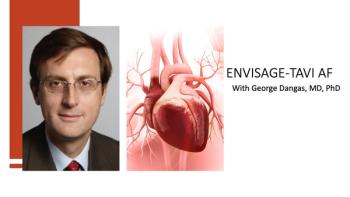
George Dangas, MD, PhD, discusses the results of ENVISAGE-TAVI AF and provides perspective into the priorities of investigators as they plan and conduct additional analyses of the trial.

The Amulet IDE Trial is the first trial to offer a head-to-head comparison of the Amplatzer Amulet occluder from Abbot against the Watchman device from Boston Scientific for left atrial appendage occlusion.
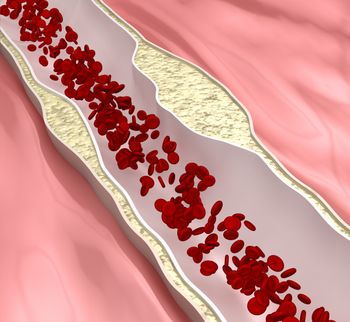
Using propensity score-matching, a new study is providing insight into the risk reduction and bleeding risk associated with various DOACs versus warfarin and one another in patients with nonvalvular atrial fibrillation and an increased gastrointestinal bleeding risk.

An analysis of the NCDR LAAO Registry suggests women had longer hospital stays and a greater risk of adverse events following implant of the Watchman device than their male counterparts.

Analysis of data from the UK Biobank cohort suggests consumption of coffee was not linked to an increased risk of arrhythmias, with some evidence indicating habitual use was linked to a decrease in incidence of atrial fibrillation or flutter and supraventricular tachycardia.

Simultaneously published in JAMA, the PER DIEM and STROKE-AF trials demonstrate the ability of Medtronic's insertable cardiac monitor, Reveal LlNQ, to improve detection of atrial fibrillation in patients with a history of stroke.

Data from AACE 2021 suggests the risk of cardiovascular disease was 15% greater among patients with thyroid cancer who underwent thyroidectomy than the general population, but found no significant difference in risk of cardiac mortality and atrial fibrillation.
An analysis of FIDELIO-DKD indicates use of finerenone was associated with significant reductions in risk of new-onset atrial fibrillation in patients with type 2 diabetes and chronic kidney disease.

An analysis of STOP AF First presented at ACC.21 details the quality of life improvements observed with cryoablation versus antiarrhythmic drugs as initial treatment for atrial fibrillation.

Results of the LAAOS III trial provide evidence suggesting left atrial appendage occlusion could reduce risk of ischemic events by nearly a third and also reduce risk of stroke by more than 40% in patients with atrial fibrillation.
An analysis of the National Inpatient Sample presented at the European Heart Rhythm Association 2021 Congress is shedding light on cannabis use and the risk of death among patients with arrhythmia.

Data from a group of anticoagulant clinics in Michigan suggests aspirin use without an indication in patients with atrial fibrillation or VTE using DOACs was associated with an increased risk of bleeding and hospitalizations.