






Arrhythmia
Latest News
Advertisement
Latest Videos







CME Content























































Advertisement
More News
Ruff discusses a new analysis of AZALEA-TIMI 71 at ACC.25, which shows that the novel Factor XI inhibitor significantly lowered bleeding in elderly patients.

A secondary analysis of FINEARTS-HF found consistent efficacy of finerenone on heart failure events and cardiovascular death, irrespective of AF status.

Bhatt examines the potential reversal of the antiplatelet effects of ticagrelor with bentracimab in the REVERSE-IT trial.

Announced on March 28, 2025, the FDA's CRL to Milestone Pharmaceuticals cites CMC issues, but no issues with safety or efficacy data.

OAC-naive patients experienced a significantly smaller increase in stroke or systemic embolism with asundexian than apixaban.
Abelacimab achieved notably lower levels of free factor XI and fewer bleeding events than standard-of-care rivaroxaban in the Phase 2b trial.
We spotlight 5 impactful regulatory decisions scheduled to occur during the first quarter of 2025.

Viet Le, PA-C, DMSc, breaks down new data and updates from AHA 24, spotlighting 3 specific trials and the applicability of artificial intelligence in care.

Christian. T. Ruff, MD, MPH describes an analysis of AZALEA-TIMI 71 demonstrating the substantial benefit of abelacimab on bleeding outcomes in patients on antiplatelet therapy.
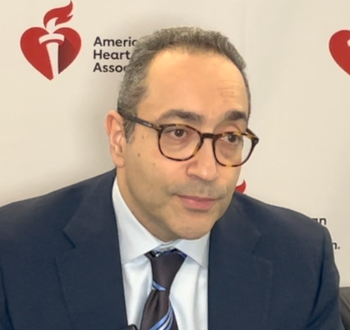
Oussama Wazni, MD, discusses the results of the OPTION trial examining LAAC in atrial fibrillation as well as its reception as AHA 2024.

Initial catheter ablation achieved a lower risk of a composite primary endpoint event than anti-arrhythmic drug therapy in patients who survived a heart attack.
The VARIPULSE platform enables AF treatment with a single device combining pulsed field ablation therapy and mapping with the CARTO 3 system.

The August 2024 cardiology month in review highlights critical data from the European Society of Cardiology Congress 24 and the latest updates on finerenone.

Deepak Bhatt, MD, MPH, MBA, discusses a group of 4 high-impact studies from ESC Congress 2024: FINEARTS-HF, ABYSS, RESHAPE-HF2, and SHAM-PVI.

Siddharth Patel, MD, MPH, discusses how an AZALEA-TIMI 71 analysis presented at ESC Congress 2024.

Asundexian failed to prove noninferiority to apixaban for its primary efficacy outcome in the phase 3 OCEANIC-AF trial.
Deepak Bhatt, MD, MPH, MBA, discusses 7 trials to watch from hotline or late-breaking sessions at the upcoming European Society of Cardiology Congress 2024.
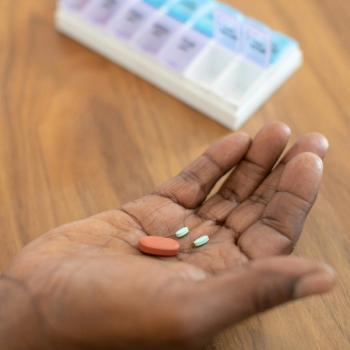
A first-time comparison in US patients displays the protective association of DOACs over warfarin use on RVO and intraocular bleeding risk.

A meta-analysis of 12 trials suggests catheter ablation for atrial fibrillation reduces heart failure events in HFrEF patients but not in HFpEF.

Our February 2024 cardiology month in review, recaps FDA news, top data from International Stroke Conference and major journals, and perspectives form a bevy of key opinion leaders in the field on hot topics and news from across the spectrum of cardiovascular medicine.

Anticoagulation and antiplatelet therapy show no significant difference in recurrent stroke risk among patients with cryptogenic stroke and evidence of atrial cardiopathy.

Our November 2023 month in review for cardiology features highlights from AHA 2023, new atrial fibrillation guidelines, a pair of historic approvals from the FDA, and more!

Released on Nov. 30, 2023, the new AFib guidance from the ACC/AHA contains update recommendations for early and aggressive rhythm control, wearables, left atrial appendage occlusion, and more.

Bayer has announced the IDMC for OCEANIC-AF trial has recommended the trial be discontinued as a result of inferior efficacy.
Christian Ruff, MD, MPH discusses results from the phase 2 AZALEA-TIMI 71 trial, the need for new antithrombotic therapies, and the net clinical benefit outcome of abelacimab for AF.
Advertisement
Advertisement
Trending on HCPLive
1
From Injectable to Oral: Optimal Durable Clearance Across the IL-23 Class
2
Ritlecitinib Stabilizes Vitiligo in Tranquillo Trial, With Iltefat Hamzavi, MD
3
Advances in Treating High-Impact Psoriasis from EADV 2026
4
FDA Updates Sotatercept Label, ERS Releases PAH Guidelines Based on HYPERION Data
5