
























































An analysis of 27 years of data sheds further light on the incidence of atrial fibrillation-related deaths based on socioeconomic status and sex differences in a group of 20 European nations.
An analysis of 27 years of data sheds further light on the incidence of atrial fibrillation-related deaths based on socioeconomic status and sex differences in a group of 20 European nations.

An analysis of more than 100k people from five community-based cohorts indicates consuming one alcoholic drink per day could increase risk of atrial fibrillation by 16%, while consuming four per day increased risk by 47%.

In this column, Dr. Paul Thompson offers his perspective on the use of digoxin and explains why he has maintained use in certain patient populations despite its waning popularity in recent years.

Dr. Gregory Weiss explores and gives perspective on the latest guidelines from the AHA and ACC outlining quality measures for adults with atrial fibrillation or atrial flutter

Results of the EARLY-AF study suggest first-line ablation may be a better approach for patients with symptomatic atrial fibrillation than first-line antiarrhythmic drugs.
Results of the RIVER trial suggest rivaroxaban was noninferior to warfarin for the study's composite endpoint of all-cause mortality, major cardiovascular events, and major bleeding.

An analysis of data from women treated at Columbia University Irving Medical Center details outcomes in pregnant women with cardiovascular disease treated by a cardio-obstetrics care team.
Using data from the CRIC study, a team of investigators has designed a machine learning model they suggest could predict AF incidence in patients with chronic kidney disease.

Our latest emergency department minute quiz from Brady Pregerson, MD, features a woman in her 20s with heart palpitations. Can you determine the correct diagnosis?

Results of the SCOPE II trial from TCT Connect offer insight into the head-to-head comparison of ACURATE neo valve versus the CoreValve Evolut R System.

A Brigham and Women's-led study details trends in incidence, characteristics, and outcomes of surgical explantation following TAVR among patients in the US.
Results of a recent analysis that found ablation was associated with lower risk of dementia compared to medical therapy alone suggest rhythm control could help preserve overall health.

A study from ESC Congress 2020 details the effects of initiating rhythm control within the first year of an atrial fibrillation diagnosis.

Lead investigator of IMPACT-AFib discusses the results of the study and how they inform clinicians on strategies to improve oral anticoagulant use.
An analysis of the STS/ACC Transcatheter Valve Therapy Registry reviews trends associated with use of the SAPIEN 3 transcatheter heart valve.
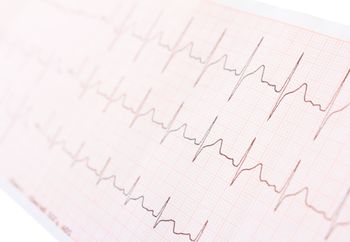
A new analysis of Medicare data from 2011-2017 is shedding light on the comparative effectiveness of DOACs versus warfarin in patients with AF and chronic kidney disease.

In this study, among participants with smartphone-detected AF, 72% had experienced no symptoms. This technology-based screening approach could have legs.
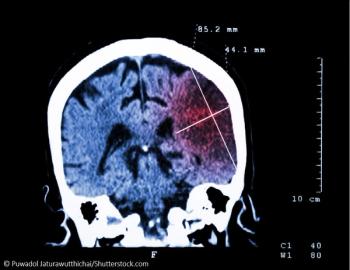
The 5-year PRAGUE-12 study outcomes show that LAA ablation in cardiac surgery patients with a history of atrial fibrillation reduces stroke rate vs cardiac surgery alone.

Test your knowledge of the 2019 "focused" updates to the 2014 AHA/ACC/HRS guidelines on the management of atrial fibrillation with this quick, 5-question quiz.

SAN FRANCISCO--Study results reported at the 40th HRS Scientific Sessions showed at 1 year, more patients remained AF-free in the renal denervation/catheter ablation group than in the group receiving catheter ablation alone (71.4% vs 57.8%).

SAN FRANCISCO― Results of the TREAT-AF trial showed burden of AF was reduced by 85% at 6 months using transcutaneous electrical stimulation of the vagus nerve, vs a sham procedure; findings were showcased at the 40th HRS Scientific Sessions.

This 83-year-old man is treated only for hypertension and says he "feels like Tarzan." The routine ECG says otherwise.
What cause of persistent DOE, fatigue in this patient who is s/p CABG and maze ablation? Your ECG read?
A 72-year-old woman sustains a distal radius fracture during a fall after losing her balance. She denies syncope. What's your ECG read?
Young woman without known medical history; past bouts of anxiety and palpitations dismissed as "panic attacks." What's your ECG read?