























































New research on the link between antihypertensive medications and atrial fibrillation suggests diuretics may trigger new cases of the condition, while angiotensin-converting enzymes may protect against it.
New research on the link between antihypertensive medications and atrial fibrillation suggests diuretics may trigger new cases of the condition, while angiotensin-converting enzymes may protect against it.
Preliminary research suggests that optogenetics could eventually replace electric shocks in the treatment of atrial fibrillation.

As the bioactive fatty acids in milk have been tentatively linked to anti-inflammatory and improved metabolic effects, its calcium, magnesium, phosphorus, and potassium content may lower blood pressure and alleviate cardiometabolic syndrome.
Left untreated or inadequately treated, syphilis may cause tertiary cardiovascular disease, one form of which is syphilitic aortitis.
Out of all possible factors, trauma is the single largest cause of death among Americans aged 46 years or younger.

Researchers at Wake Forest Baptist Medical Center have released a study showing the potential of a dangerous interaction between a common supplement and prescription medication.
Among patients aged 65 years or older who are hospitalized with community-acquired pneumonia, azithromycin lowers the risk of 90-day mortality in exchange for slightly increased odds of myocardial infarction compared to other antibiotic regimens.
A retrospective cohort study of Medicare beneficiaries hospitalized for heart failure with a left ventricular ejection fraction between 30-35% found improved 3-year survival rates among those who received a prophylactic implantable cardioverter-defibrillators compared to those with no ICD.
Researchers find that the ratio of total cholesterol to HDL is a significant predictor for CVD in type 1 diabetes patients who are not using lipid-lowering drugs, and that the ratio of total cholesterol to HDL is a more reliable marker for risk when considering primary prevention.
The American Society of Hypertension (ASH) is the largest US professional organization dedicated to eradicating hypertension and its consequences. The following study presentations were highlights of the organization's 29th annual meeting in New York City.
It is primarily the responsibility of parents, teachers, and health care professionals to be role models for the younger generation with respect to healthy eating and physical activity.
Current dietary guidelines promoting high consumption of polyunsaturated fatty acids and low consumption of total saturated fats are not clearly supported by the medical literature.
Adult patients with binge eating disorder who were treated for 12 weeks with lisdexamfetamine dimesylate reported having 4 fewer binge days per week, and also experienced improvements in weight and triglyceride levels.
Since surgical patients who develop acute respiratory distress syndrome (ARDS) face a 40% risk of death, a tool that can accurately predict who will develop ARDS is greatly needed.

The development of epilepsy and subsequent seizures was prevented in animal models following the use of losartan, a common hypertension drug.
Although they are revolutionary for the treatment of various gastric acid-related disorders, proton pump inhibitors may be linked to interstitial nephritis, according to research published in Kidney International.
Study results to be presented at the 2014 AAN annual meeting show asymptomatic carotid stenosis may also contribute to impaired memory, cognitive function, and decision making.
Panic attacks are common, but by themselves, they are not a disorder. When the attacks become the focal point of one's mental life, then the diagnosis of panic disorder is appropriate.
An exploration into the elusive and controversial topic of renal artery stenosis and its optimal therapy.
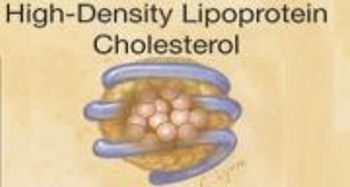
Study results show testosterone therapy reduces total cholesterol, low-density lipoprotein cholesterol, and triglycerides while boosting high-density lipoprotein cholesterol.
Several studies have shown good results with Roux-en-Y gastric bypass and laparoscopic gastric banding when combined with lifestyle modifications in severely overweight patients with type 2 diabetes.
Mitigating the risk of stroke, heart failure, and death when treating patients with atrial fibrillation requires a careful consideration of patient characteristics and management options.
A study published in BMJ explains the long-term risks of opioid treatment in the postoperative setting.

Changes to the recommended use of various medications and catheter ablations rank among the highlights of comprehensive new guidelines for the treatment of patients with atrial fibrillation.