






















































Cardiology
Latest News
Advertisement
CME Content
Advertisement

The American Heart Association was one of the first organizations to advocate dietary changes to decrease the risk of coronary heart disease (CHD). The organization's first recommendation appeared in 1957 advising a decrease in the amount of fat intake to decrease atherosclerosis risk. Today, a different approach is recommended, which considers the diet as a whole, with recommendations of what to both include and avoid. Among other nutritional and lifestyle recommendations, the AHA advises the consumption of 2 servings of fish weekly for both men and women.
Click here to read the statement of need, learning objectives, instructions on how to obtain CME credit, faculty list and disclosures, and other information for this activity.
It is well established that among patients with the clinical syndrome of heart failure, approximately half have preserved systolic function, known commonly as heart failure with preserved ejection fraction (HFpEF). Although originally considered to be a syndrome that pathophysiologically involves diastolic dysfunction, ongoing investigation suggests that although diastolic abnormalities may be present in many patients, other aspects of pathophysiology likely also contribute to symptoms. This study examined the association of beta-blockers with mortality in patients with HFpEF.
It is widely accepted that sexual activity is an important component of quality of life for men and women with cardiovascular disease (CVD), as well as for their partners, and is a safe activity, in general. Yet, older studies show that most CVD patients do not believe they have been educated by health care providers on when to resume sexual activity or any necessary restrictions following acute myocardial infarction.
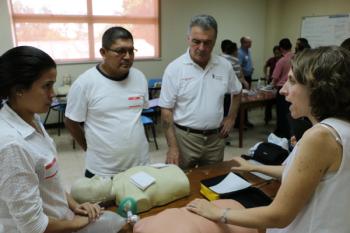
Working in an emergency room setting in the United States, in almost all circumstances provides doctors with at least most of the major needs they require to do their jobs on a daily basis. One organization is working to bring those basic needs to hospitals throughout Latin America.

The relationship between a blood thinner and the body's natural defense against HIV was discussed in new research published in the Journal of the American Chemical Society.
Physicians may think patients over 80 are too old to benefit from agressive care to treat unstable angina or clogged arteries that caused a heart attack. Think again, a Norwegian researcher said at the American College of Cardiology meeting in San Diego, CA. These patients were 47% more likely to survive and healthier after invasive procedures than a group that got non-invasive care.
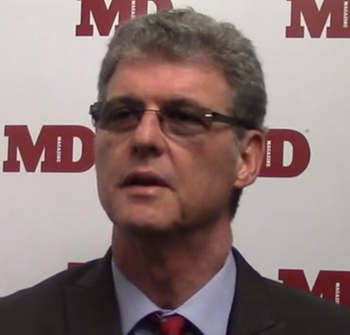
Having worked at Cedars Sinai since 1982 Robert J. Siegel, MD, has seen a lot of changes in the medical profession and helped many doctors hone their craft as they begin their own work in the field.

Sunil Agarwal, MD, from Mount Sinai Hospital in New York, discussed the results of his research on the use of continuous cardiac monitoring to monitor elderly patients for atrial fibrillation and sub-clinical arrhythmia and help reduce their risk of stroke and other health complications.
AstraZeneca researchers report that a new drug call MED12452 is being developed as an antidote for patients who need to reverse the effects of ticagrelor (Brilinta/AstraZeneca) on an emergency basis. That could be important for patients taking ticagrelor who need emergency surgery or are bleeding from an accident.
There is a higher risk of certain types of cancer in patients who survive myocardial infarction, according to researchers in Copenhagen, Denmark.
Based upon casual observation, some have suggested that the rise in the diagnosis and incidence of asthma is related to the pertussis vaccine. This study in Sweden attempted to determine if such a relationship exists.
Just 3 minutes of sprint interval training per week may improve cardio-metabolic factors in diabetic adults.

Researchers reported no association between endogenous testosterone and incident stroke and ischemic changes in men evaluated via brain MRI imaging.
Elderly and frail patients whose blood pressure is also being treated need to be carefully treated, suggest findings published in JAMA Internal Medicine.
A 73 year-old man presents to the emergency department from his internist's office where he had complained of palpitations and light-headedness that began 4 hours earlier after his daily exercise regimen. He did not appear distressed, but his heart rate was 160 beats per minute. Blood pressure was 140/90. He had no light-headedness at the time, but continued to report palpitations. An ECG was performed.
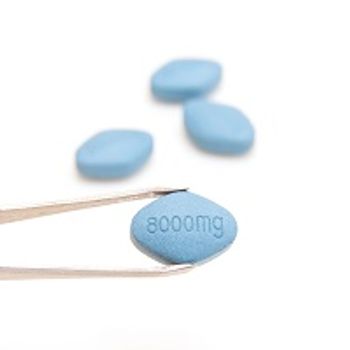
The Department of Defense spent more than $84 million on erectile dysfunction medications in 2014, according to a report in Military Times. Nearly half of that, $41.6 million, was spent on Viagra, with military doctors writing nearly a million prescriptions for that drug alone last year.

In many elderly Alzheimer's disease patients' brains, evidence of stroke is present.

A paper from a pair of physicists may reveal significant new information about the causes of atrial fibrillation and help to make cardiac ablations a more effective treatment for the condition.

As endovascular treatment has come under the microscope in recent years several studies have shown with the right training and equipment it can be a viable option for stroke patients.

Dehydrated stroke patients tend to do worse than those who are hydrated, a Johns Hopkins team found. The next question is whether all such ischemic stroke patients should get fluids when they arrive at the hospital, contrary to current recommendations.
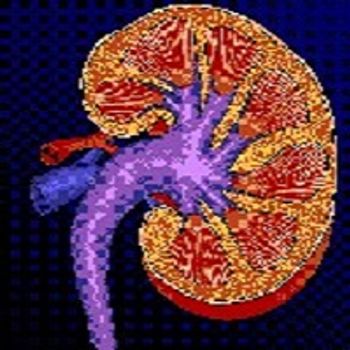
The National Institute of Diabetes and Digestive and Kidney Diseases (NIDDK) reported that one in 10 American adults had some level of chronic kidney disease (CKD), and that kidney disease is the 9th leading cause of death in the US.
Each year, the American Heart Association's (AHA's) Scientific Sessions is the organization's largest yearly gathering of healthcare professionals and researchers in the field of cardiovascular disease and stroke. Providing 5 days of comprehensive education with more than 4000 presentations by world leaders in cardiovascular disease, the AHA 2014 Scientific Sessions featured the results of landmark and long-awaited clinical trials.
Worsening renal function over time is associated with poorer outcomes in patients with acute and chronic HF. Although this association is established in patients with reduced ejection fraction, there are no data about the relationship between WRF and outcomes in HF patients with preserved ejection fraction.
Advertisement
Advertisement
Trending on HCPLive
1
eGFR Underestimates CKD in Patients with Cancer, Study Finds
2
VA Dialysis Tied to Lower Mortality, With Virginia Wang, PhD, MSPH
3
42% on Povetacicept Reach KDIGO-Aligned UPCR Target in RAINIER
4
Q&A: Early-Career Dermatology Pearls on Defensive Patients and HS Coding
5