

























































What happens when a patient with type 2 diabetes uses both a potassium (K)-sparing agent and sodium-glucose co-transporter 2 (SGLT2) inhibitor at the same time?

What happens when a patient with type 2 diabetes uses both a potassium (K)-sparing agent and sodium-glucose co-transporter 2 (SGLT2) inhibitor at the same time?

Find out what you know about the specific recommendations on who should be treated with statins, which ones, and why.

Over-the-counter diarrhea drug loperamide (Imodium/Johnson & Johnson Consumer Inc.) has recently been in the news because opioid abusers have been using it to self-treat symptoms of opioid withdrawal. Others abuse it for its euphoric properties.
Like many other areas of medicine cardiology is becoming a more specialized field. How to do that to provide better care for doctors is a common goal across medicine.
When treating a woman during pregnancy there are many factors that need to be considered, not the least of them being her cardiovascular health. At Montefiore Medical Center a team approach aims to help prevent fatal events during this delicate time in a patient's life.
Do patients diagnosed with anxiety disorder experience a greater burden of metabolic disorders such as diabetes and hyperlipidemia?

Stroke and cardiovascular risks have been associated with the most common and effective classes of drugs to treat migraines, but new research shows that these concerns could be unjustified.

Congenital heart disease may have the same name in adult and pediatric care but the two conditions can often require vastly different approaches in care. Despite that work in the field is being done to help patients of all age maintain a high quality of life.

A lot has been done to bolster the treatment of congenital heart disease and managing the risks of this patient population. Because of that these patients are able to live a longer and fuller life including pregnancy and childbirth like other people.

Even the most severe cases of congenital heart disease can be treated to a level where they can safely navigate high risk pregnancies.
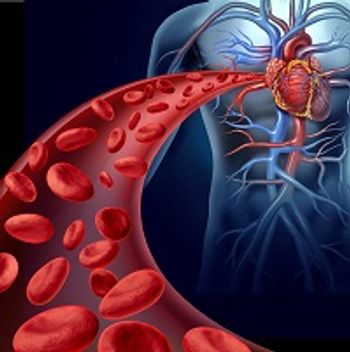
Researchers found that as-needed use of novel oral anticoagulants can effectively lower stroke risk in “motivated†patients with atrial fibrillation.

“Physicians should advise patients to limit animal products when possible and consume more plants than meat,†a team of doctors from the Mayo Clinic in Arizona announced in a statement.

As the risk of a stroke increases with age so does the importance of monitoring patients over the course of their later years.

A trial of patients undergoing radiofrequency catheter ablation found that 90 days of postoperative antiarrhythmic drugs reduces the short-term — but not the long-term — rate of recurrent atrial fibrillation.





Together these characteristics and insights compose an engaging snapshot of the current state of cardiology.

There are many ways patients can better manage their cholesterol than they could just a few years ago. Whether they are successful in those efforts and the role of doctors and medications in that process remains to be seen.

Atypical height is a common reason for parents to bring children to pediatric endocrinologists.
A large study found no need for transesophageal echocardiography in atrial fibrillation (AFib) patients who use novel oral anticoagulants for at least 4 weeks before undergoing catheter ablation.

Even as technology improves to help patients dealing with cardiovascular disease, those responsible for the procedures also must consider providing treatment while weighing the costs of that work.