























































Only a handful of medications carry an FDA indication for obesity, but metformin (which currently does not) has weighty evidence supporting its use.
Only a handful of medications carry an FDA indication for obesity, but metformin (which currently does not) has weighty evidence supporting its use.
For those how enter the field of genetic testing there are many challenges along the way, starting with finding the right training program through using that training in very difficult situations.
Hopes that losmapimod would benefit patients after a STEMI heart attack were not borne out by a study reported today at the American College of Cardiology's meeting in Chicago, IL.

Treating atrial fibrillation by ablation is equally effective whether done by freezing or burning small parts of the heart.
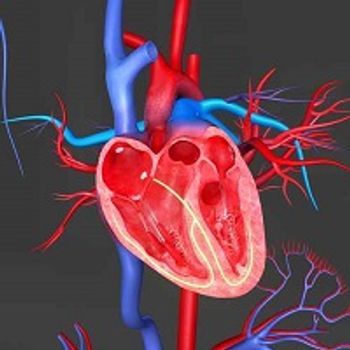
A newer version of a valve system used in transcatheter aortic valve replacement has proved superior to surgery in elderly patients. The study was released a day after a report on the older device showed it was as good as surgery.
Trans Aortic Valve Replacement, a less invasive procedure than open heart surgery, offers about the same benefits but slightly different risks, researchers reported today.
What do you see on the CXR that makes you hesitate to initiate heparin?
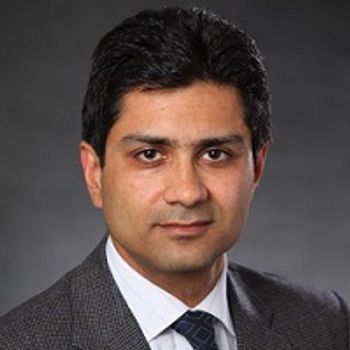
Microcalcifications that can show up on mammograms can also predict a woman's risk of heart disease. MD Magazine spoke to Khurram Nasir, MD, co-author of an editorial urging physicians and their specialty societies to put this finding into practice.
ECG Challenge: Dyspnea is painless, but progressive; lungs are clear, heart sounds normal, peripheral pulses strong. What does the tracing show?
Compared to current guidelines for atrial fibrillation (AFib) detection in patients with ischemic stroke, 10-day Holter-ECG monitoring is superior for a-fib detection.
Despite a considerable gap between the number of patients who require a transplant and the number of organs available those patients fortunate enough to receive the lifesaving organs are seeing greater success from the procedure.
There is no shortage of people in need of a kidney transplant but a considerable shortage in the number of organs available to these patients. Despite that health care professionals in nephrology are determined to provide their patients the highest quality of life possible in spite of these challenges.
As with all areas of health care money is an important consideration for hospitals and other medical research institutions. Finding the most effective way to spend money to get the best results can be a difficult balancing act across the board.

A retrospective analysis of records from more than 55,000 patients indicates that influenza infection increases the risk of developing atrial fibrillation (AF) and that increased vaccination could reduce AF onset.

Why should primary care physicians consider the concierge model of medicine? The question should really be rephrased: Why shouldn't they?
Erlanger Hospital in Chattanooga, TN is smack in the middle of stroke country. But it took more than demographics to put its ground-breaking stroke treatments on the map.

The US Food and Drug Administration (FDA) has approved dexlansoprazole (Dexilant SoluTab/Takeda Pharmaceuticals), a new formulation for the treatment of heartburn-associated gastroesophageal reflux disease (GERD) in adults age 18 and older.
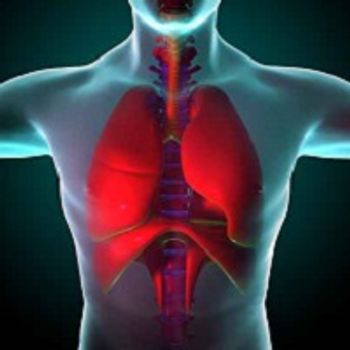
Chronic obstructive pulmonary disease and atrial fibrillation often occur in the same patient. Managing both conditions appropriately improves outcomes, a study found.

A new retrospective analysis indicates that the interval between the diagnosis of persistent atrial fibrillation and the use of catheter ablation is inversely related to the procedure’s chance of long-term success.
Patients with atrial fibrillation do significantly better when catheter ablation is done quickly, Cleveland Clinic researchers found.
Resuming treatment of oral anticoagulation in patients with atrial fibrillation who experienced gastrointestinal bleeding led to a higher risk of more bleeding, but better outcomes overall, Danish researchers found.
Buying energy drinks can be as easy as picking up a gallon of milk and people of all ages have been consuming them to get a bigger kick of caffeine than coffee alone provides. A recent study looked at possible health risks associated with these beverages.
With one in 5 children in the United States at risk of obesity a recent study looked at their chances of developing heart disease and what it can mean for the future of this patient population.
As technology improves and more is learned about treatment for various conditions new guidelines are constantly being developed in the medical field. Once the guidelines are updated it becomes even more important to get that information into the field to help the patients who can benefit from them.
In the changing landscape of hospital medicine one of the largest areas of focus has been on readmission rates, this is also true for patients who are discharged from one hospital and then readmitted into another location for further treatment.