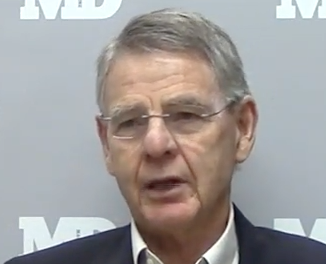
























































In cardioverting a patient with atrial fibrillation, physicians accidentally overstimulated an implanted vagal nerve stimulator, harming the patient.


Q&A With Gregory Lewis From Massachusetts General Hospital: Exercise Plays Key Role In Cardiac Rehab Success

New Warning: Warfarin Plus Diabetes Drugs Can Cause Adverse Effects
In cardioverting a patient with atrial fibrillation, physicians accidentally overstimulated an implanted vagal nerve stimulator, harming the patient.
Even in hospital settings patients can suffer fatal cardiac events if they are not properly monitored. This is especially true at night when staffing numbers drop and families are not with their loved ones until morning.

Patients suffering from the most common hereditary bleeding disorder von Willebrand disease (VWD) also undergoing surgical procedures are recommended specific treatment methods to manage perioperative anticoagulation.

Moderate consumption of alcohol can lower the risk of ischemic stroke, Korean researchers report.
The Framingham Heart Study has been one of the most in depth studies in the field of cardiology and medicine as a whole. A recent portion of the study looked at the impact of carbon monoxide exhalation and its role in patient health.

The Fat Fibre Sodium Score was created using the top three most predictable cardiovascular risk-reducing food categories and offers a quick, easy way to evaluate nutrition changes during post-cardiac rehabilitation.

The significant others of patients undergoing implantable cardiac defibrillators (ICDs) have long been concerned about continuing sexual activity following the implantation.

Caloric restriction among mammals whose body mass index is normal, defined as eating about 25% fewer calories than one would during ad libitum intake, increases life span in many species.
A 35-year-old man presents to the emergency department complaining of syncope. He denies any preceding chest pain, palpitations or trouble breathing, and states he did not injure himself other than a bump on his forehead.

With the federal government leaving it to state and local entities to determine the age at which tobacco products can be purchased, an effort is underway to advance the age limit three years to 21.
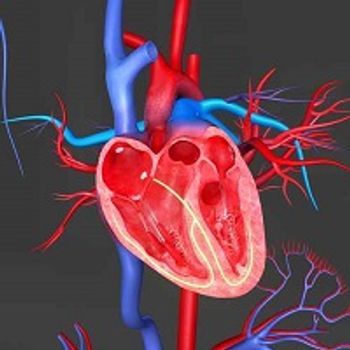
A new tool for assessing the risk of thromboembolic events in patients with atrial fibrillation performed better than the existing standard in a large retrospective analysis. ATRIA risk scores were less likely than CHA2DS2-VASc scores to mistakenly characterize patients as "high risk" and, therefore, to lead to the overuse of anticoagulation.
While the days of the solo practitioner hanging a shingle in their hometown winds to an end the healthcare community is now turning its attention to how teams can provide the best level of care to patients.

The evidence indicates resistant starches improve glucose metabolism beyond what would be expected from its reduced glycemic index.

Drug kills parasites but too late to prevent heart myopathy in Chagas Disease.
At the annual CHEST conference in Montreal one of the sessions looked at new guidelines for treating patients with sepsis in emergency medical care.
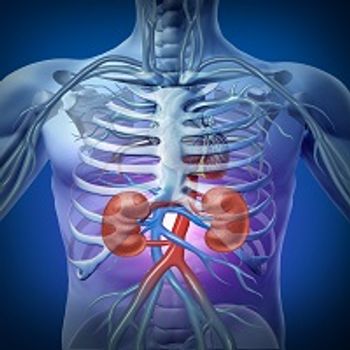
Hyperkalemia can be fatal and there is a serious need to provide improved treatment options.
Patients who are morbidly obese need a revised dosing protocol when getting vancomycin.

Even in the absence of coronary artery disease, patients with depression appear to experience more frequent chest pain than patients without depression.
Heart disease is a growing problem in the country and work has been done to improve the overall public health through a number of steps including cardiac imaging. That work is also focused on the proper blood pressure for patients of all ages.

The link between testosterone therapy and cardiovascular risks has been a hot topic of debate, with researchers offering competing evidence and statements supporting or refuting the existence of link between testosterone supplementation and increased cardiovascular risk. Now, physicians from the American Association of Clinical Endocrinologists (AACE) have publicly stated their position on the issue.

A large retrospective analysis from Canada suggests that dabigatran is about as safe and effective as warfarin in elderly patients with atrial fibrillation.

Patients in the emergency room for a recent heart attack may be prescribed ticagrelor by the attending physician. A recent study showed getting patients the treatment as early as in the ambulance can provide additional benefits.
PCSK9 inhibitors have been the focus of the cardiology community and with the approval of two medications in the past few months these drugs could soon make their way to a large number of patients needing help managing their cholesterol levels using more than just statins.
Congestive heart failure is a serious condition facing people around the world. Early trials of a gene therapy have showed promise to not only help these patients with the condition but also make their hearts healthier.

Just because researchers go into a study with a hypothesis they hope to prove, it does not mean the results will be what they were hoping for.