
























































Chlorthalidone is one of the "Rodney Dangerfield" diuretics in the treatment of hypertension. That needs to change.
Chlorthalidone is one of the "Rodney Dangerfield" diuretics in the treatment of hypertension. That needs to change.

Depressed elderly patients undergoing SAVR or TAVR had a 7.3% higher rate of mortality compared to non-depressed patients.

The device's approval is the first of 2018 for Medtronic, who received agency clearance for 9 devices in last year.

The bone marrow stimulant is being considered as a first-line combination therapy for severe aplastic anemia.

Varenicline (Chantix) increases patients’ risk of an emergency department visit or hospitalization for a cardiovascular event by 34%.
Kevin Maki, PhD, discussed the impact that the new guidelines for hypertension from the AHA and the ACC will have on patients and physicians.
Renova Therapeutics is planning a 536-patient phase 3 trial, FLOURISH, to begin in early 2018.
Kevin Maki, PhD, discussed the current state of lipid care in the United States.
Andrew R. Waxler, MD, FACC, discussed the Corus CAD test, which allows cardiologists to rule out multiple conditions during diagnosis for cardiovascular conditions.
Which biomarker is most useful in what situation? Find out how one cardiologist makes these decisions. Do you concur?
The PCSK9 inhibitor class is here to stay. Find out what you know about the enzyme and how its inhibition is revolutionizing CHD prevention.
OZEMPIC, a GLP-1 receptor agonist, was tested in 2-year cardiovascular outcome trials.
The smart strap is the first medical accessory for a smartwatch to receive FDA approval.

Reddit's Ask Me Anything forums have proven to give physicians a chance to connect with and educate thousands of people at once.
At AHA.17, Dr Rory Collins offered large-scale trial data to help dispel dangerous disinformation still circulating about the effects of statins.
Click through this short case study for an illustration of the key principles put forth in the revised ACC/AHA guidelines on hypertension diagnosis and management.
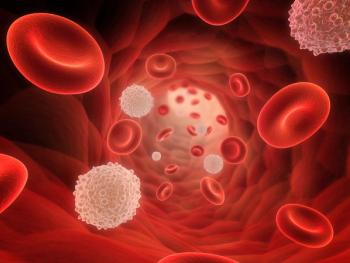
Genentech's prophylaxis has the potential for further indications in adult and pediatric patients with hemophilia A.
Rivaroxaban is the only Factor Xa inhibitor demonstrating superior efficacy in reducing recurrent VTE after initial treatment.

After multiple roadblocks and a phase 3 trial, the company announced it will not file an NDA for the experimental drug.
The HVAD System, a left ventricular assist device, assists patient’s hearts in pumping and increasing blood flow through the body.
The sc2Wear Infusor allows the opportunity to deliver furosemide subcutaneously and at home, to keep HF patients in need of diuresis out of the hospital.

The ROPA-DOP trial showed that low-dose dopamine had an insignificant impact on patient renal function, nor a significant trend toward greater diuresis.