























































Patients treated with dabigatran following myocardial injury after noncardiac surgery were 20% less likely to die of a cardiovascular cause.
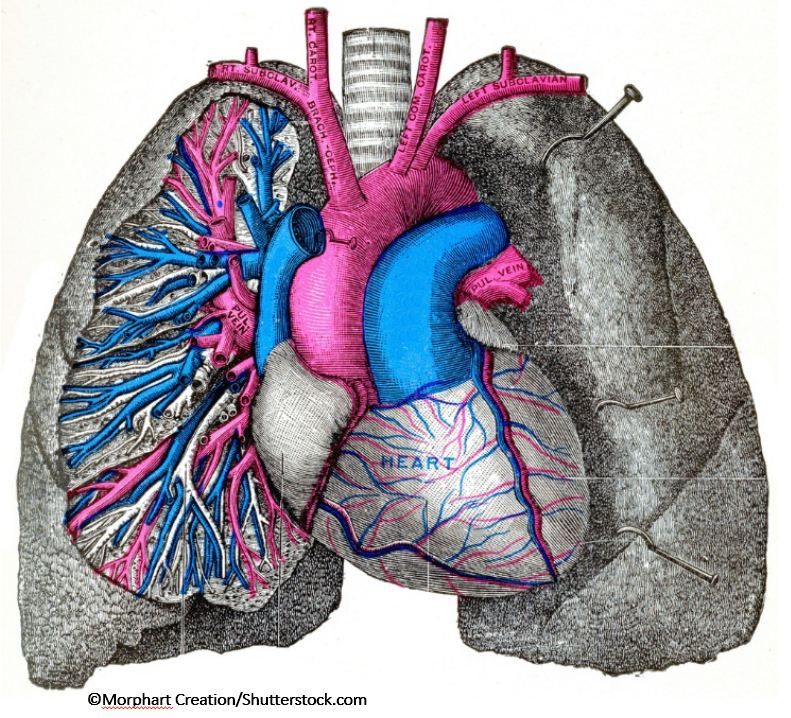
Patients treated with dabigatran following myocardial injury after noncardiac surgery were 20% less likely to die of a cardiovascular cause.

For even life-altering conditions such as cardiovascular disease, not enough Americans are taking their medicine. Why?
Patients who abused substances reported significantly greater cardiovascular and all-cause mortality risk from type 1 MI — despite also reporting lower risks for traditional factors.

New data revealed by the Tufts Center for the Study of Drug Development concludes that orphan drug development takes 18% longer than the average time required for other new drugs.
The HeartLight Excalibur Balloon, designed for the treatment of paroxysmal atrial fibrillation, is ultra-compliant and can be resized in real-time.
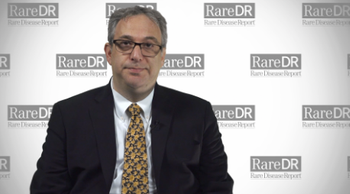
In an interview with Rare Disease Report, Mathew Maurer, MD, Arnold and Arlene Professor of Cardiology at Columbia University, explained the standard of care and current management tactics for individuals with hATTR Amyloidosis.
The Advisor™ HD Grid Mapping Catheter, Sensor Enabled™ provides physicians with a detailed map of cardiac tissue to allow for more precise ablation therapy.

According to new researche, a widely-used cholesterol-lowering drug increased a precursor of high-density lipoprotein (HDL) in models that mimicked liver cells of patients with Friedrich’s ataxia (FA).
Andexanet alfa showed a median decrease in anti-Factor Xa activity from baseline of 97% for those on rivaroxaban and 92% for those on apixaban.
Dosing of the first patient in the Phase 2 clinical trial of AG10 in patients with ATTR cardiomyopathy, Eidos Therapeutics, Inc. has announced.
Results of a subgroup analysis from the GRIPHON trial are promising for a hard-to-treat population.
The Computed Tomography Angiography device from iSchemaView gives physicians quick, and diverse, options to analyze stroke patient candidates.
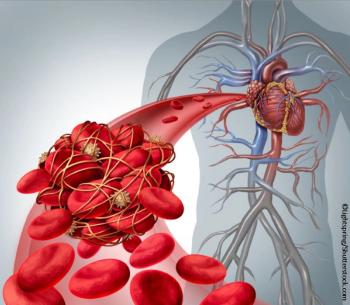
If, when, and for how long anticoagulation should be administered in these 3 patients is the challenge in each case. Do you know your guidelines?
A new study finds that the first treatment chosen to treat PAH may help mitigate the burden of all-cause cost of care.
Results of a new study suggest that stroke volume index may be the better hemodynamic variable to monitor in PAH – not cardiac index.
The filing is supported by data from MERIT-1 which showed great improvements in pulmonary vascular resistance and 6-minute walk distance versus ongoing background therapy.

Data from a duo of poster presentations showed icosapent ethyl reduced potentially atherogenic lipid and inflammatory markers in statin-treated patients with reduced kidney function and high triglycerides.

At the 70th Annual AAN 2018 Annual Meeting, Alnylam announced new results from the APOLLO Phase 3 study of patisiran, an investigational RNAi therapeutic for the treatment of hATTR amyloidosis.
A result of cooperation between Amerigen Pharmaceuticals and Dipharma, this is the first approved generic equivalent to Actelion Pharmaceuticals’ version of the drug, Zavesca.
These devices provide additional treatment options for an often-underdiagnosed condition that impacts 12% to 20% of Americans older than 60.
Data revealed a response rate of 29% for those on the therapy compared to 2% with placebo, with median platelet counts at 24 weeks of 95,000/µL in the SR group, 49,000/µL in the IR group, and 20,500/µL in the non-responders.

SGLT-2 inhibitors and GLP-1 agonists were associated with 1% and 0.6% reductions in all-cause mortality, respectively.
Treatment now offers an individualized approach to control bleeding in appropriate patients undergoing surgery.
The therapy, when used prophylactically either weekly or biweekly, showed a statistically significant reduction in treated bleeds in comparison to no prophylaxis.
In 90 patients that received idarucizumab in the RE-VERSE AD phase 3 trial, the median maximum percentage reversal was 100%.