




























































Cardiovascular disease is the leading cause of death in women. And yet, the crux of concern for disease risk is designated to male patients.
Cardiovascular disease is the leading cause of death in women. And yet, the crux of concern for disease risk is designated to male patients.

Is there a relationship between polycystic ovary syndrome and diabetes? And if so, what are the variations in female patients?

During the first 12 weeks of study, the investigated therapy had also reduced patient hypoglycemia event rates by 23% and low blood sugar event rates by 26% versus comparative therapy.
New study finds that noninvasive assessment of CAD with CCTA may help reclassify risk and predict MACE in asymptomatic atherosclerosis.
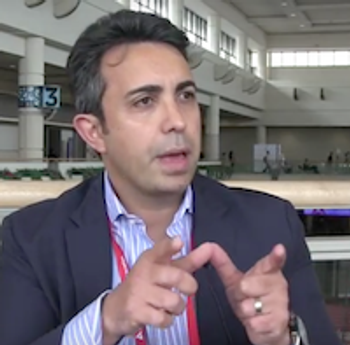
Empagliflozin has reported positive outcomes in renal conditions and heart failure in T2D patients. Now what?

The absolute risk reduction for patients with diabetes and recent ACS was 2.3% when on the PCSK9 inhibitor plus statin therapy.
Post-hoc analyses from the EMPA-REG OUTCOME study found consistent benefits for the therapy in comorbidities versus placebo.

Xultophy was originally indicated as a therapy to improve glycemic control in adults with T2D mellitus that is inadequately controlled by basal insulin or liraglutide.

Facing a major CVD prevalence in 30 million-plus patients with type 2 diabetes, the national agencies are planning a collaborative initiative that will last years.

The daily therapy was tested for T2D control benefits and treatment adherence versus insulin glargine U-300.

The American Heart Association chief medical officer for prevention discussed the new ADA partnership and the new emphasis on comorbidity care.

The Janssen product was found to be linked to a reduced risk of sustained kidney function loss, attenuated eFGR decline, and a reduction in albuminuria.

hATTR compass program will empower people with accurate genetic information so they can make informed decisions about their healthcare.

The results suggest that this approach could streamline the diagnosis of diabetes, losing the need for the same elevated test needing to be repeated in a new blood sample.

Clinical data demonstrate that CD34+ cell therapy improves exercise capacity, angina frequency and reduces mortality in no-option refractory angina.

Ray Comenzo, MD, highlights promising ANDROMEDA phase 3 trial, which evaluated the efficacy of subcutaneous daratumumab and cyclophosphamide, bortezomib, and dexamethasone (CyBorD) as a combination therapy for newly diagnosed light chain (AL) amyloidosis patients.

Those discharged early and administered rivaroxaban saved $2496 and spent 26.4 fewer hours hospitalized over the course of 90 days.

IgE for alpha-gal was identified in 26% of the patients, and plaque buildup was 30% higher in those patients compared to those that were not sensitized.

The 1300-plus patient survey interim results show patients struggle with fatigue and maintaining control of daily functions.
Data revealed that the 1-year patency rate was 89.1% via Kaplan Meier estimate at day 360, and a CD-TLR rate of 7.1%.
Right ventricular response to exercise may be used as a better indicator of ventricular-arterial coupling than resting hemodynamics, say authors of this new study.
Results of a new study identify specific clinical characteristics linked to poor quality of life in patients with PAH.
The FDA Circulatory System Devices Panel of the Medical Devices Advisory Committee panel voted 11-4 to support the benefits of the INCRAFT AAA Stent Graft System from Cardinal Health.
The catheter is now indicated for use with an aspiration technique for blood clot removal in patients with acute ischemic stroke.

Barton-Maxell details the importance of caring for stage A heart failure patients in the primary care setting.