


























































The study showed noninferiority with relation to major adverse cardiovascular events and a reduction of heart failure, though no difference in cardiovascular death compared to placebo. There appear to be renal benefits to dapagliflozin as well.
The study showed noninferiority with relation to major adverse cardiovascular events and a reduction of heart failure, though no difference in cardiovascular death compared to placebo. There appear to be renal benefits to dapagliflozin as well.

Investigators have found a pair of increased biomarker levels indicate patients with AF are at a greater risk of neurodegeneration.

“These guidelines bring back the concept of adjusting therapy for cholesterol levels, and they recommend more aggressive treatment targets for people in very high risk,” said Cleveland Clinic’s Steven Nissen.

When compared with enalapril, in patients with acute decompensated heart failure, sacubitril–valsartan led to greater reduction in N-terminal pro–B-type natriuretic peptide (NT-proBNP), and reduced re-hospitalization for heart failure, and was well tolerated.

In addition to a 25% reduction of risk of future cardiovascular events, icosapent ethyl (Vascepa) lowered the risk of cardiovascular death by 20%.

Ezetimibe 10 mg/day significantly reduced the incidence of atherosclerotic cardiovascular events in elderly patients with high LDL cholesterol compared to control.

Anthony Rosenzweig, MD, Chief of Cardiology at Massachusetts General Hospital discusses how exercise can protect the heart and its potential role in cardiac regeneration.

In the VITAL study, investigators found that supplementation with omega-3s and vitamin D did not meet the primary endpoint of significantly reducing major cardiovascular events or total invasive cancer.

PTSD was associated with a 3-fold increased risk of all-cause mortality or a major heart event in 12 months following cardiac arrest.

The updated cholesterol guidelines continue to emphasize a healthy lifestyle for people of all ages and the need for personalized treatment plans. They also lay out a path for escalating treatment when statins aren’t sufficient.
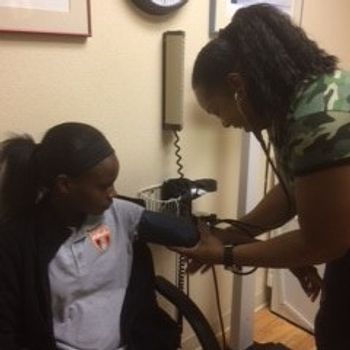
In visits with overweight or obese children with high blood pressure, pediatricians either provide no communication about BP or unclear or dismissive statements, unless SBP is ≥120 mmHg.

Data from a new study indicate that trauma is an independent risk factor for cardiovascular disease in sexual minority women, suggesting it should be screened for as a risk factor in this population.

Investigators have found an association between opioid use and cardiovascular mortality.
Not sure what’s been recalled, withdrawn from the market, or had safety updates? Catch up on the US Food and Drug Administration’s (FDA's) recalls and safety news from this past week.
Who is the best candidate for invasive treatment in the GERD population?

The FDA has approved Johnson & Johnson’s canagliflozin (INVOKANA) for patients with type 2 diabetes who have established cardiovascular disease in order to reduce the risk of major adverse cardiovascular events, such as heart attack, stroke, or death.
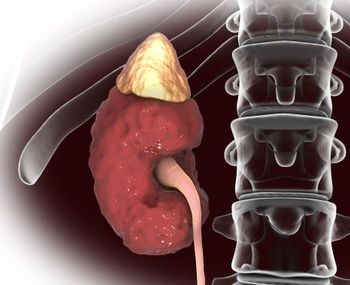
Patients with renal disease are poorly represented in studies of treatment for STEMI but, a new study finds, are at much greater risk for MACE and death.

Statistical analysis reveals cardiac effects of individual antiretrovirals in combination treatments for children infected with HIV perinatally.

Along with sports cardiology and pediatric cardiology, Robert Battle specializes in treating patients with hypertrophic cardiomyopathy, the most common genetic cardiovascular disorder.

The new Medtronic device is capable of repairing thoracic aortic aneurysms, blunt thoracic aortic injuries, penetrating atherosclerotic ulcers, intramural hematomas, and aortic type B dissections.