






















































The TransPyloric Shuttle device is delivered endoscopically to the stomach and can be used for up to 12 months of treatment.
The TransPyloric Shuttle device is delivered endoscopically to the stomach and can be used for up to 12 months of treatment.
The Apple Watch-friendly platform is the first cleared by the FDA to detect and report the 3 common arrhythmias, including atrial fibrillation.
Investigators found that a plant-based diet was associated with a 41% reduction in heart failure risk, while a “southern” diet heavy in fried food, added fats, and eggs was associated with a 72% increase in risk.

Investigators found that participants who never ate breakfast were 87% more likely to die from cardiovascular disease and stroke than those who ate breakfast every day.
Years of real-world assessment have given cardiologists a good idea of what's optimal for patients with AF.
Richard Milani, MD, shares about the digital medicine program, particularly the track for patients with hypertension.
Aimee Quirk, CEO of innovationOchsner shares about how they have improved aspects of health care by introducing uses of technology.
LDL cholesterol increases the risk of heart disease and ischemic stroke, but in patients with very low levels of “bad cholesterol,” hemorrhagic stroke may actually increase.
Is there an improved method of care for patients at risk of losing limbs?
What were the findings of a large, single-center registry assessment for inflammation in patients with low LDL-C?
The daily oral capsule was shown to reduce overweight and obese patient weight by about 6% over 6 months.

Fewer heart disease-related deaths occur in counties where Medicaid was expanded under the Affordable Care Act, according to a provocative new study.

Additionally, the added sugar labels will save the health care system an estimated $31 billion.

About 4 million Americans can’t tolerate statins. A new study suggests bempedoic acid could be used to help these patients lower their LDL cholesterol.
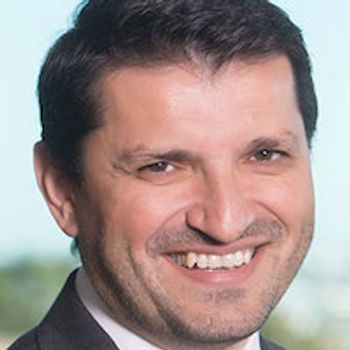
The CREDENCE study of canagliflozin in adults with chronic kidney disease and type 2 diabetes met its primary endpoint as well as cardiovascular endpoints.

Time-restricted feeding has been shown in early trials to be a beneficial treatment for various cardiovascular disease risk metrics.
Study finds that, despite the creation of the Hospital Readmissions Reduction Program, US and Canada saw similar declines in HF readmission rates.
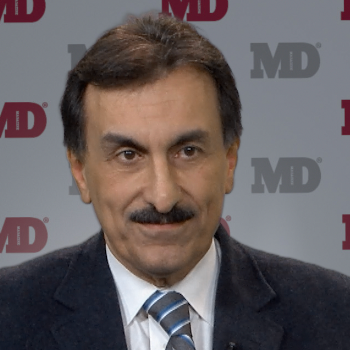
Sleep habits are an overlooked aspect of primary care visits, despite the prevalence and burden of conditions such like insomnia on the general population.

More evidence for the biomarker ctDNA to test for the presence of a rare, but deadly cancer in organ transplant patients was presented at ISHLT annual meeting this month.
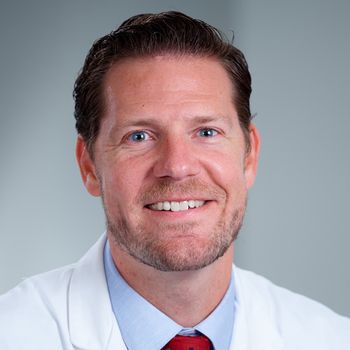
Ivabradine can be an important tool to lower heart rates in patients with heart failure, but a new study finds usage rates are low when physicians aren’t proactive about initiating the therapy.

Investigators have found that despite improvements in women’s cardiovascular health care, black women still face disparities in care compared to white and Hispanic women.
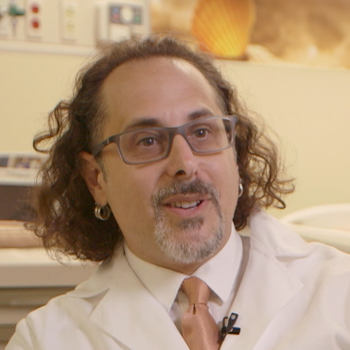
By applying research-supported practices, Optimal Hospital has increased patient sleep, improved HCAHPS scores, and decreased length of stay and readmissions.
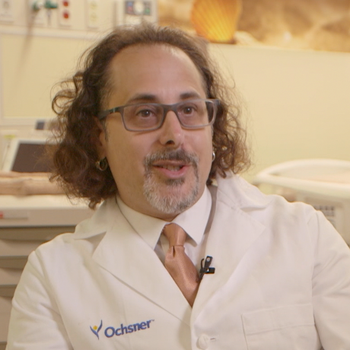
Patients in the Optimal Hospital wing are given iPads that let them access their medical records, see their care team, and view the schedule of their upcoming tests.
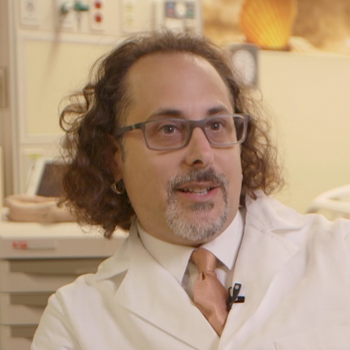
New features include wireless vital monitors, red lighting for nighttime, and surfaces and linens infused with antimicrobial copper.