


























































Recent study found that having post-traumatic stress disorder, in and of itself, does not increase a patient's risk for cardiovascular disease.
Recent study found that having post-traumatic stress disorder, in and of itself, does not increase a patient's risk for cardiovascular disease.

A 42-year-old female with no significant past medical history presents to the emergency department for two days of constant non-pleuritic, non-exertional, non-radiating chest pain associated with feeling light-headed. What is the diagnosis?

How new GRIPHON data showed further definitive long-term outcomes for patients with pulmonary hypertension.
Positive findings for the envelope support some of the first indications that a preventive measure could address cardiac surgery infection rates.

Teens and adults had similar weight loss after gastric bypass surgery, but teens were more likely to experience remission of type 2 diabetes and hypertension than adults.

Dalteparin sodium injection was shown to result in VTE resolution in a majority of treated patients from a clinical trial.
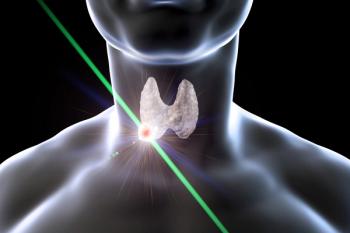
Thyroid hormones have a wide range of effects of the cardiovascular system. Too much or too little thyroiid hormones can induce or exacerbate existing cardiovascular disorders. In this article, we highlight the treatment recommendations for thyroid-related CVD events.

Machine Learning algorithm analyzes 85 individual variables to determine a person's risk of having a heart attack or death with more than 90% accuracy.
The KardiaMobile 6L device is the first FDA-cleared 6-lead electrocardiogram (ECG) device for personal use.
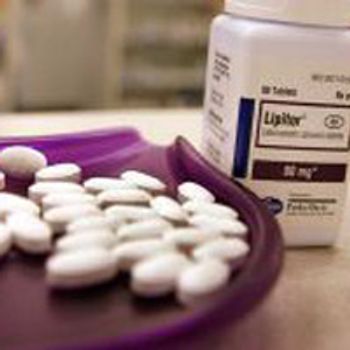
A recent study found that 33.7% of patients on statins fail to lower their LDL-C to the recommended threshold of 100 mg per dL.


Patients who experienced hypertensive disorders in pregnancy were 80% more likely to develop choroidal neovascular AMD at an early age.
Findings from ASCENT-COPD show the long-acting muscarinic antagonist is noninferior to placebo in driving major adverse cardiovascular event risk in very at-risk patients with COPD.

New data from PARTNER 3 shows the procedure reduces one-year mortality in patients with aortic stenosis.
Tafamidis and tafamidis meglumine reported a greater survival rate in treated patients than those administered placebo, and reported a reduced rate of hospitalizations from cardiovascular problems.

Results of this study, which examines lifelong endogenous testosterone exposure, add to the body of evidence in support of regulatory warnings about testosterone replacement therapy.
The SmartSync includes a mobile application, telemetry head, and pacing system analyzer that allows for direct patient-to-physician data sharing.
How wearable devices and their massive patient pools have created a balancing act between mass patient arrhythmia data collection and individualized care.
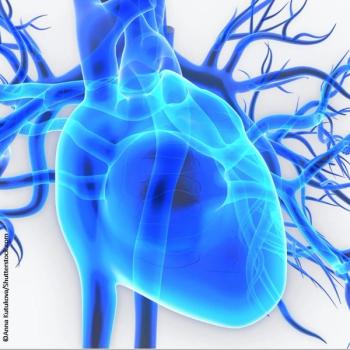
The study found that among transplant patients who received HCV-exposed donor hearts and developed HCV infection, viral clearance with DAA treatment was 100%.
The patient says pain, on his left side, is pleuritic and is worse when he is supine. Does the EKG offer clues to etiology?
Recent findings show that borderline deficiency is prevalent in about half of all stroke patients. Are vitamin B1 levels being tested enough, and are deficiencies affecting stroke rehabilitation?
How does a cardiologist balance the benefits of invasive care with the patients' interest in non-invasive measures?
Data from ACC 2018 showed the PCSK9 inhibitor is associated with an absolute risk reduction of 1.6% in treated patients versus placebo.
A healthy plant-based diet can reduce a person's risk of developing CKD by 14% and can also help slow the decline of kidney function, according to a new study.
A 27-year study found that signs of oral infections in childhood were associated with cardiovascular risk factors and subclinical atherosclerosis in adulthood.