


























































A recent study found that county-level poverty prevalence correlated with both heart failure and coronary heart disease mortality rates.
A recent study found that county-level poverty prevalence correlated with both heart failure and coronary heart disease mortality rates.

Naeem Khan, MD, and Kiersten Combs, both of Astrazeneca, discuss how recent news from FDA and ESC Congress 2019 could impact dapagliflozin moving forward.

A recent study presented at ESC Congress 2019 found that a 1 unit increase in BMI at 18 years old translated to a hazard ratio of 1.10.

A recent analysis of more than 400,000 from the UK Biobank revealed those who get more or less than 6 to 9 hours of sleep per day increased their risk of heart attack by more than 20%.

A recent study examining how genetic risk factors and lifestyle choices impact premature coronary artery disease found evidence that various factors play a greater role than genetics for younger patients.

A study presented at ESC Congress 2019 found that anabolic-androgenic steroid use in male weightlifters can lead to thickening of the heart muscle and reduced ejection fraction
Results of the AFIRE study found rivaroxaban monotherapy was noninferior to combination therapy for efficacy and superior to combination therapy for safety.

Investigators find that opening all blockages with stents is more beneficial after a heart attack than targeting just the clogged artery causing the event.

Results of the DAPA-HF study — presented at the ESC Congress 2019, reveal use of dapagliflozin reduce hospitalizations from heart failure and deaths from cardiovascular causes in patients with heart failure with reduced ejection fraction.

Results of the PARAGON HF study, which were presented at ESC Congress 2019, reveal no significant benefit of sacubitril-valsartan compared to valsartan for heart failure with preserved ejection fraction in more than 4,500 patients.
A study presented at ESC Congress 2019 revealed childhood BMI, systolic blood pressure, and serum total cholesterol and triglycerides are positively associated with adult CVD.
An updated list of guidelines recommends using catheter ablation to treat supraventricular tachycardia.

The new cardiology guideline provides step-by-step detail to the currently best process of embolism diagnosis.

The European Society of Cardiology and European Association for the Study of Diabetes released new diabetes and cardiovascular guidelines during ESC Congress 2019.

Updated guidelines for the treatment and diagnosis of chronic coronary diseases were released by the European Society of Cardiology at ESC Congress 2019 in Paris.

Investigative triple therapy PT010 from AstraZeneca has reached primary outcome results versus a pair of standard dual inhaled therapies.

A recent study found that expanding statin treatment to those with borderline risk of atherosclerotic cardiovascular disease and high LDL-C levels could prevent ASCVD events and be cost-effective on a population level.
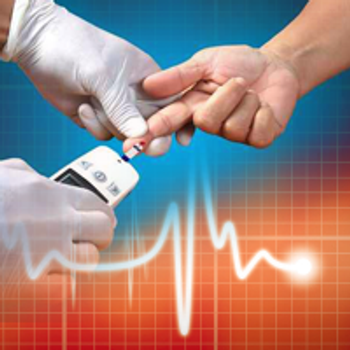
A recent review of adverse event reports from the FDA found that tramadol use was associated with a tenfold greater risk of developing hypoglycemia than most other opioids.

The SGLT-2 inhibitor is seeking an additional indication for primary renal outcome prevention in patients with or without type 2 diabetes.

A recent study from Northwestern University found that rates of death caused by cardiometabolic disease in the US are no longer in decline and have been rising since 2011.

A Mayo Clinic study examining artificial intelligence to analyze ECG data found readings can be used as a predictor of overall physiological health.

A primary investigator-led discussion will tap into how invasive procedures have become more embraced in US cardiology.

Results of the phase 3 trial show that inclisiran reduced LDL cholesterol in patients with atherosclerotic cardiovascular disease.
A smartwatch and patch product from Biobeat will allow physicians and patients to monitor blood pressure, oxygenation, and heart rates in both inpatient and outpatient settings.
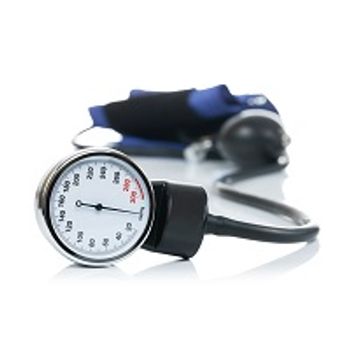
A recent study from South Korea is shedding light on the association of blood pressure levels and cardiorenal events.