


























































One (1.4%) of 73 patients assigned to early surgery and 11 (15.3%) of 72 patients assigned to conventional treatment died from CV causes.
One (1.4%) of 73 patients assigned to early surgery and 11 (15.3%) of 72 patients assigned to conventional treatment died from CV causes.
A new study from AHA 2019 has found that use of rivaroxaban rather than antiplatelet therapy after TAVR increased a patient's risk of death and bleeding events.

Investigators present data from the CREDENCE trial during AHA.

Taking a routine invasive approach had no impact on clinical outcomes or quality of life in patients with chronic kidney disease as well as stable ischemic heart disease.

Results of the ISCHEMIA trial were revealed at AHA 2019 and revealed little overall benefit of an invasive approach but saw improved angina control in patients with previous angina.

Apabetalone demonstrated tolerability and safety in the phase 3 BETonMACE trial but the study did not meet its primary end point of reduction in major adverse cardiovascular events (MACE).

The ORION-10 trial revealed 300 mg inclisiran twice-yearly reduced LDL-C levels by 58% in patients with atherosclerotic cardiovascular disease.

In a presentation during AHA, investigators present new evidence linking sleep issues with poorer outcomes for hypertension patients.
New empagliflozin data assesses the SGLT-2 inhibitor versus GLP-1 agonists and DPP-4 inhibitors for patients with heart failure.
Results of the COLCOT trial presented at AHA 2019 revealed colchicine use could reduce the risk of cardiovascular events by 35% in patients who recently suffered a myocardial infarction.

The adult heart failure study is the first of its kind: a completely decentralized, indication-seeking clinical trial.
Results from the 400,000-plus patient trial show a pulse detection app on the Apple Watch may aid users in detecting risks of atrial fibrillation.
George Mulligan, PhD, discusses during Kidney Week the results of a phase IIa study showing potential in a new drug to treat patients at risk for developing an acute kidney injury following cardiovascular surgery.
George Bakris, MD, discusses how nephrologists can work with other specialists and what the highlight of Kidney Week was.
George Bakris, MD, discusses the major study during Kidney Week, as well as what diseases should get more attention in future research.
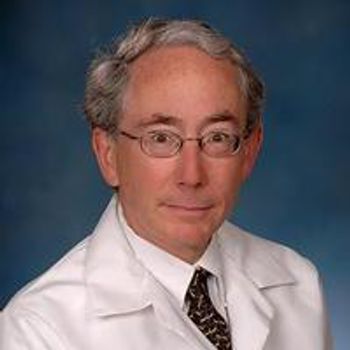
Matthew Weir, MD talks about some of the challenges in nephrology and what has people buzzing while at Kidney Week.
Matthew Weir, MD, discusses the START-CKD trial at Kidney Week.
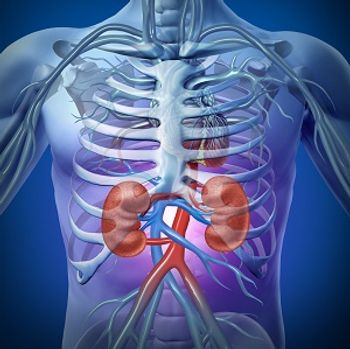
During Kidney Week, investigators present data showing that canagliflozin could be beneficial for patients across various levels of kidney function.

Kenneth Mahaffey, MD, discussed during Kidney Week the CREDENCE trial and what the link is between the 3 different medical fields.

Katja Gist, DO, discusses better ways to prevent acute kidney injuries in pediatric patients who have cardiac surgery.
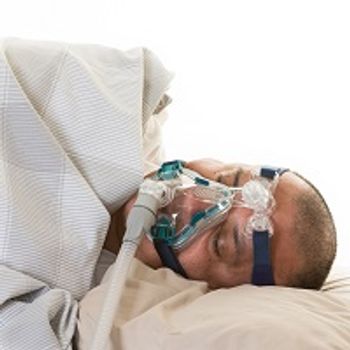
A new international study has found patients with spinal cord injuries were 7 times more likely to be fatigued and more than 3 times more likely to have sleep apnea than their able-bodied counterparts.

A new analysis of nearly 500,000 Chinese patients found insomnia symptoms were associated with an increased risk of cardiovascular and cerebrovascular disease.
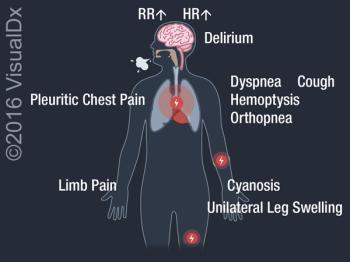
An 80-year-old woman who was wheelchair bound due to congestive heart failure was brought to the ED complaining of left-sided chest pain, shortness of breath, cough and syncope. An ECG showed tachycardia. What's your diagnosis?

A recent meta-analysis of more than 200,000 patients found running once a week was associated with a decreased risk of death from cancer, cardiovascular disease, and all-cause mortality.

A new study from the National Center for Global Health and Medicine in Japan has found thiazide use in diabetics with well-controlled blood pressure led to an increased risk of MACE, particularly stroke.