


























































An analysis of more than 4 million people from Europe has found children born to mothers with diabetes were at a 29% increased risk of developing cardiovascular disease before the age of 40.

An analysis of more than 4 million people from Europe has found children born to mothers with diabetes were at a 29% increased risk of developing cardiovascular disease before the age of 40.

An analysis from the University of Michigan has found postoperative myocardial infarction is still associated with an increased risk of mortality, despite use of evidence-based strategies.
Artificial intelligence could provide physicians with easier, quicker measures of coronary artery calcium.

A study presented at EuroEcho 2019 is revealing the ability of ACE inhibitors, ARBs and beta-blockers for the prevention of cardiotoxicity in patients with breast or hematological cancer.
A new 30,000-person review found low lymphocyte cell counts could be an indicator a patient is at an increased risk of all-cause mortality, including death from cardiovascular disease and cancer.

A discussion on why heart failure rates have climbed over the past decade while research indicates rates of cardiovascular disease, as a whole, have begun to decline.
How findings from AHA show early ANGPTL3 and APOC3 benefits in cardiometabolic health, via liver protein targeting.

Discussing the key differences in the results of ISCHEMIA and ISCHEMIA-CKD, which examined whether the use of invasive or conservative strategies was more effective for patients with ischemic heart disease.

Discussing why initiatives and policy changes in the fight against obesity and diabetes have been perceived as less successful than those against smoking and educating on cardiovascular diseases.
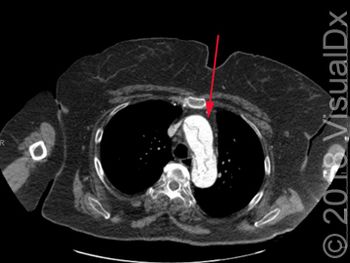
A 58-year-old man went to the emergency department (ED) with chest pain he described as “ripping.” The pain radiated down his back. In the ED, he complained of abdominal pain and monoparesis of his left leg. What's your diagnosis?

A new analysis of results from the SPRINT trial finds that across age groups, intensive blood pressure control may lengthen a person’s lifespan by 4-9 percent.
Evaluating the impact of DAPA-HF and other recent data that have changed the way cardiologists view the potential uses of SGLT2 inhibitors in patients with or without diabetes.
Discussing how new information released in 2019 has impacted the way cardiologists view aspirin use for primary and secondary prevention of cardiovascular events.

A 52-year-old female with a history of diabetes, alcoholism, anxiety and major depression is brought to the emergency department for altered mental status and a possible drug overdose. What's your diagnosis?

A 72-year-old man with a history of hypertension, coronary artery disease, congestive heart failure, anxiety and a pacemaker presents to the emergency department for seven hours of non-radiating chest pain associated with dyspnea. He denies syncope, palpitations, fever, cough or other complaints. What's your diagnosis?

A 72-year-old female with a history of hypertension, hyperlipidemia and type 2 diabetes presents to the emergency department for three days of intermittent palpitations and shortness of breath. She states that she has had trouble climbing the stairs in home. She denies any chest pain, syncope or near syncope, cough or other complaints. What's your diagnosis?

The deoxygenated sickle hemoglobin polymerization inhibitor was granted Accelerated Approval designation for the burdensome rare disease.

Novartis AG is set to acquire The Medicines Company in a $9.7 billion deal that is set to be completed in the first quarter of 2020.

Investigators examine how different supplementation impacts kidney function in patients with type 2 diabetes.

Results of the CITU study are revealing more about the different impacts e-cigarette and tobacco use has on a patient's lipid profile.

A new analysis from the University of Minnesota has found many patients with and without an indication for regular low dose aspirin use are under or overusing the medication.

In a presentation at AHA, T. Jared Bunch, MD, discusses how early detection of AF could yield positive results down the line for patients.

Why US patients are now in absolute need of proven measures to lessen their risk of cardiovascular burden.

A new analysis from Johns Hopkins School of Medicine has found patients in the South, Midwest, and West were all more likely to report poorer healthcare-related quality of life when compared to patients in the Northeast.

What more needs to be learned about the link between the 2 diseases?