



























































Varenicline should be considered as a treatment option for smoking cessation, the findings suggest.
Varenicline should be considered as a treatment option for smoking cessation, the findings suggest.
An analysis of the French cohort from the TST trial was presented during ISC 2020 in Los Angeles, CA.

A look back on the biggest discussions of the 29th Annual Cardiovascular Conference in Beaver Creek, CO.

A pair of colleagues from Duke detail what makes the annual cardiovascular meeting beneficial to researchers and clinicians.

Research from the Karolinska Institute indicates ESC/EAS 2019 dyslipidemia guidelines could create an unforeseen financial burden due to new eligibility for PSCK9 class.

A new analysis is revealing more about how using a patient portal can aid in medication adherence and HbA1c management among diabetics.

New data on the use of polygenic risk scores for predicting certain forms of cardiovascular disease raise questions about the validity of genetic scores in real-world settings.

A fourth-year medical student offers perspective on a study examining machine learning models being presented at CCC 49 in Orlando, FL as part of HCPLive's Notes from Rounds program.

Analysis using data from the Nurses' Health Study is shedding new light on the interaction of TMAO and coronary heart disease risk.

A new study from the Columbia University Irving Medical Center found another diuretic appeared to have less serious side effects than the guideline-recommended chlorthalidone.

Findings of a recent study may help providers make more informed treatment recommendations for patients with reduced blood flow.

A study from Rutgers University is shedding more light on the additional cardiovascular risk among preeclamptic women.

A new study based on a pair of Chinese studies links depression to all-cause mortality in men more than women.

A pilot study found consumption of cocoa and epicatechin were linked to improved six-minute walking time in PAD patients.
A review of trials from more than 100 cancer drugs found almost 40% did not report any cardiovascular disease outcomes.

Data from the TAUSSIG study supports the long-term use of evolocumab for the treatment of both phenotypes of hypercholesterolemia.
Understanding the accuracy of wearables can help inform better medical decisions, investigators say.

New research from the American Stroke Association's International Stroke Conference indicates the presence of diabetic retinopathy was associated with increased stroke risk.

Older patients with no stroke history are shown to have reduced risk for both shingles and stroke in new CDC data.
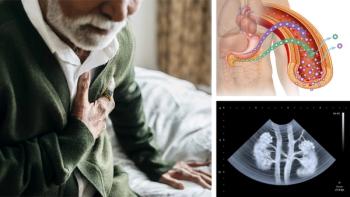
In post-myocardial infarction patients, chronically impaired renal failure and diabetes are both associated with an increased mortality risk, say researchers recently writing in Diabetes Care.
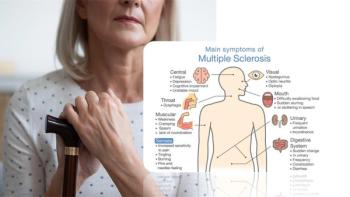
A 52-year-old female with a history of multiple sclerosis presents to the emergency department for generalized weakness and trouble swallowing. Blood tests are ordered. Can you diagnose this patient?

A new study sheds light on the impact of statins and metformin use on risk of death in prostate cancer patients.

Caption Guidance can be used by providers with or without prior ultrasound experience.

An analysis of the MESA study is shedding light on the potential association between having persistent asthma and developing atrial fibrillation.

New study using data obtained through wearables found resting heart rate can vary by up to 70 beats per minute from patient to patient.