



























































How coronavirus spread has affected a New York institution's invasive cardiology department.
How coronavirus spread has affected a New York institution's invasive cardiology department.
New research presented at ACC.20/WCC suggests increased protein intake could reduce the risk of atrial fibrillation in older women up to 8%.
The author of the first systematic evaluation of commissural alignment in TAVR shares his team's findings.
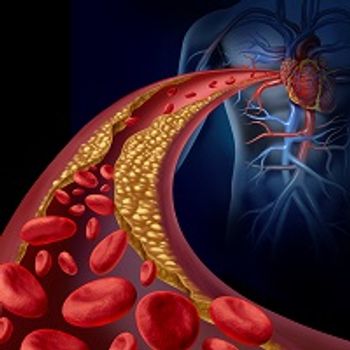
Data published in NEJM demonstrate the siRNA agent's ability to lower cholesterol in patients with multiple conditions.

In the face of the worldwide coronavirus (COVID-19) pandemic, 4 of the largest cardiology organizations are advising patients receiving treatment with ACE inhibitors (ACE-i) and angiotensin receptor blockers (ARBs) they should not be discontinuing treatment unless it is recommended by their physician.

About 1 in every 20 adult Americans now reguarly uses vaping and e-cigarette products.

Manesh Patel, MD, of Duke University School of Medicine, discusses what we know about COVID-19 and its impact on cardiovascular health.

New research from ACC.20/WCC suggests taking statins before initiating chemotherapy with anthracycline or trastuzumab could reduce treatment-associated cardiotoxicity.

Telehealth tools can identify someone whose symptoms are worsening and connect them to a medical professional.
The Professor of Medicine at Duke University School of Medicine discusses prescribing DOACs and his opinion on a recent meta-analysis in the Annals of Internal Medicine.

Until a few weeks ago, telemedicine was primarily seen as a means to improve access to specialty care, reduce healthcare costs and boost patient engagement. And while it has certainly gained traction over the last several years, it still accounted for an extremely small number of total patient encounters, was largely seen as adjunct to traditional in-person clinical care, and restrictions by payers made reimbursements difficult. Combined, these factors largely curtailed the widespread adoption of the virtual practice model. And then came the Coronavirus.

New data from ACC.20/WCC is revealing more about the risk of AF associated with various cancer types.
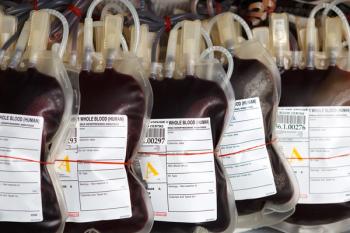
For patients in need of surgery, theres one more way the Coronavirus pandemic may affect them -a shortage of blood.

In an effort to make it easier for physicians and healthcare providers to keep their thumb on the pulse of the COVID-19 pandemic, we’ve created a list of essential websites that can help you monitor the news, stay informed, and assist you in making the best decisions to keep your patients, staff and the community safe.https://edhub.ama-assn.org/jn-learning/video-player/18315311

In a show of solidarity, the major cardiology organizations have released statements addressing the topic.

A new meta-analysis found dual therapy was associated with less bleeding events than triple therapy in AF patients after PCI.

New research suggests taking low-dose aspirin could reduce the risk of hepatocellular carcinoma in high-risk patients.

Roy Schoenberg, MD, MPH, discusses the populations that can most benefit from using telehealth tools and Medicare reimbursement obstacles.

Research from investigators at Brigham and Women's Hospital and Sinai Health is shedding new light on the differences in safety and efficacy between the 2 DOACs.
With the spread of coronavirus increasing in the US, telehealth can be leveraged, but regulations need to be modified.

According to a new report, males and older individuals are more susceptible to fall-related traumatic brain injury deaths.

An analysis of dizziness in primary care patients is shedding new light on the potential dangers and risk of mortality associated with different subtypes of dizziness.
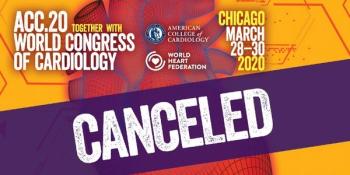
The American College of Cardiology announced yesterday the cancellation of its annual meeting due to concerns about the coronavirus outbreak. The ACC/WCC meeting was to be held in Chicago at the end of the month, attracting physicians and researchers from around the world. This is the first time in its 69-year history that the meeting has been cancelled the organizers say.

The incoming Editor-in-Chief of Stroke discusses what the future of stroke care might look like and his biggest takeaways from ISC 2020.

Results of a meta-analysis of more than 2 dozen studies indicate DCB treatment may actually reduce mortality risk long-term.