

























































New research from the RED VELVT trial is shedding further light on the discussion surrounding off-label use of DOACs for left ventricular thrombi.
New research from the RED VELVT trial is shedding further light on the discussion surrounding off-label use of DOACs for left ventricular thrombi.

New research from investigators in Poland suggests losses by a local sports team were associated with a 27% increase in acute coronary syndrome admissions.

While the determination that consumption of coffee is beneficial or harmful depends on the study, new research is diving further into the debate and into how brewing method might play a role in coffee’s impact on cardiovascular disease and mortality.

If you can’t imagine starting the day without your cup o’ joe, you aren’t alone. On average, American’s drink 3 cups of coffee every day–collectively that’s 400 million cups of coffee-- daily. Given those kinds of numbers, it’s no wonder that the question of whether or not the coffee habit is beneficial or detrimental to patient health is one that generates a lot of interest- and there’s been plenty of studies devoted to it. Here's a look at some of them.

New research from a hospital in Wuhan has found no difference in hypertension patients whether or not they were taking ACEi/ARBs on admission.
ABG-023 overcomes the limitations glucagon because it remains stable in solutions.

Analysis of more than 500k Norwegians has found filtered coffee might reduce risk of death and cardiovascular disease, while unfiltered coffee increased risk in older men.

Discussing recent data from GALACTIC-HF with John Teerlink, MD, Executive Committee Chair for both GALACTIC-HF and COSMIC-HF.
California is home of the cities with the most unhealthy pollution levels, according to the newest annual report from the ALA.

New research from Weill Cornell Medicine is revealing more about the impact of social determinants on 90-day mortality following heart failure hospitalization.

New analysis of nationwide mortality statistics from the CDC is shedding light on an alarming trend among women in rural areas across the US.
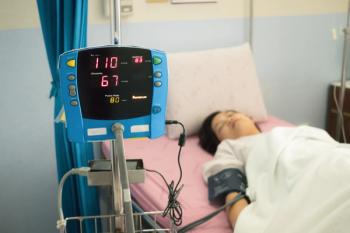
Despite advances in recent decades in the battle against cardiovascular disease, new research suggests deaths from premature coronary artery disease (CAD) among rural women have been on the rise since 2009.
Discussing the impact of COVID-19 on clinical trials that are ongoing or in development with John Teerlink, MD, Executive Committee Chair of GALACTIC-HF.
An analysis of 60,000-plus patients over 2 decades suggests consumption of olive oil could help reduce rate of CVD.

While the apparent cardiovascular benefits of olive oil have been proven in studies examining European populations, new research from a team of Harvard physicians is shedding light on impact in US patients.

A discussion on how COVID-19 has changed the role of cardiologists and the use of telehealth in clinical practice.

New research suggests the presence of a maternal hypertensive disorder predicts increased risk of childhood mental disorder, regardless of mental disorder status of the parents.

In the setting of the COVID-19 global pandemic, the existing American Heart Association (AHA) cardiopulmonary resuscitation (CPR) guidelines are no longer appropriate. Rescue workers can no longer focus solely on the needs of the patient, but instead they must strike a balance between patient needs and protecting their own health and safety. The AHA has published new recussitation guidelines for rescue workers treationg victims of cardiac arrest with suspected COVID-19.
Discussion the debate around use of ACE inhibitors and ARBS as well as other common questions the ESC has been fielding during the ongoing outbreak.

New research from a feasibility trial suggests new technology could help patients achieve BP control at a similar rate as regular visits.
The Penn Medicine trial is currently enrolling and will evaluate effects across a multitude of outcomes.

The tailored approach for delivering lifestyle changes virtually to patients who are obese with hypertension shows positive health benefits.
In the largest analysis of its kind, a team of investigators from Italy are shedding new light on the impact of aspirin use and risk of cancers of the digestive tract.

Overweight, hypertensive patients who enrolled in a self-administered, internet-based health management program had better outcomes than patients who did not join the program, according to recent study findings.
Aspirin, the popular and well-established therapy for cardiovascular disease may have a new role in treating cancers of the digestive tract.