




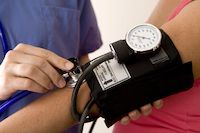























































A new randomized trial suggests oral apixaban may be as effective as enoxaparin for thromboprophylaxis following surgery for gynecologic cancer.
A new randomized trial suggests oral apixaban may be as effective as enoxaparin for thromboprophylaxis following surgery for gynecologic cancer.

Results of the FABOLUS-FASTER trial offer clinicians further insight into the effects of cangrelor, tirofiban, and chewed or integral prasugrel for immediate inhibition of platelet aggregation.

There is a significant increase in metabolic syndrome prevalence among young adults, while prevalence remains high for those at least 60 years old.

Both dosage groups of the study drug achieved at least a 50-meter increase from baseline to week 24 on the six-minute walk distance test.

Results of a first-in-man trial suggests a non-invasive ultrasound therapy improved cardiovascular health in patients with severe calcific aortic stenosis (CAS).

A new systematic review and meta-analysis is shedding light on the impact gestational hypertension can have on future risk of cardiovascular diseases.

Treatment with treprostinil of up to 12 breaths per session four-times per data was well-tolerated, with a safety profile consistent with previous studies.

An analysis of data from a trio of phase 3 trials suggest use of the novel osteoporotic treatment could increase risk of heart attack by 18%.

Results of an exploratory analysis of the phase 3 MARINER study indicates post-discharge prophylaxis with rivaroxaban (Xarelto) could reduce the risk of both fatal and major thromboembolic events in medically ill patients.

An analysis of the MARINER trial is diving deeper into the impact of post-discharge prophylaxis with rivaroxaban in patients with more severe renal impairment.
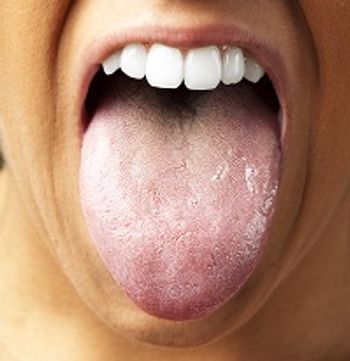
New research suggests the microbiome from the tongue coating of patients with heart failure contains unique differences to those of healthy patients.

The researchers suggested a significant link between second-hand smoke exposure and poor sleep quality, particularly among adolescents.
While often referred to as "Good cholesterol" new research suggests HDL measurements do little for predicting risk of heart attack in Black patients

Ken Ataga, MD, discusses new developments in interpreting the condition's progression and effect on patients.

Findings of a recent study suggest empagliflozin is associated with a decreased risk of hospitalization for heart failure and a similar risk of myocardial infarction or stroke in routine clinical care.

A new study found newly diagnosed type 2 diabetics who develop heart failure had the highest risk of death versus patients with other CVDs or chronic kidney disease.

New research suggests development of heart failure is associated with the greatest risk of death among type 2 diabetics with cardiovascular conditions.
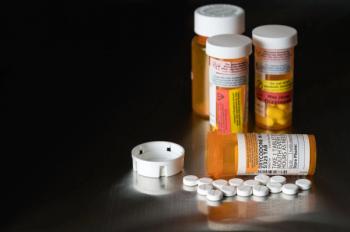
New research from Penn Medicine indicates 9.6% of heart surgery patients develop persistent opioid use post-procedure.

A nationwide analysis indicates stroke patients in rural areas were at a greater risk of mortality and less likely to receive advanced treatment than urban counterparts.

The drug also reduced the risk of myocardial infarction and stroke.

Taking testosterone while enrolled in a lifestyle program reduces glucose levels and risk of type 2 diabetes.

Discussing how advances in care and therapeutic agents have impacted the management of diabetes in 2020.

Cardiovascular events and death increased by 20% in people with 4 or more depressive symptoms compared to individuals without depressive symptoms.

Twenty two nonprofit organizations have been awarded COVID-19 Rapid Response Grants as part of the American Heart Association’s Voices for Healthy Kids initiative.The grants range from $20,000 to $50,000 and will support work focused on improving access to healthy food, increasing access to health care and addressing income needs during and beyond the pandemic.

Results of the VERTIS-CV trial indicate ertugliflozin could reduce heart failure hospitalizations but did not demonstrate the ability to reduce MACE compared to placebo.