


























































Cardiology
Latest News

Advertisement
CME Content
Advertisement





The model can simulate treatment benefit over time with time-varying low-density lipoprotein cholesterol.

Patients with a mPAP of at least 19 mm Hg and pulmonary artery wedge pressure of 15 mm Hg or less had an adjusted hazard ratio for mortality of 1.71.
An analysis of the STS/ACC Transcatheter Valve Therapy Registry reviews trends associated with use of the SAPIEN 3 transcatheter heart valve.

A nationwide assessment of data published between 2000-2020 related to outcomes following bariatric surgery is revealing more about its benefits on mortality and incidence of obesity-related disease.

A new systematic review and meta-analysis challenges the notion that preventing VTE is associated reduced mortality risk.

Gregory M. Weiss, MD, provides an overview of the impact mental stress can have on cardiovascular health during the ongoing pandemic.

Despite having lower BMI, the results of an analysis indicate smokers had greater adipose tissue volume than nonsmokers.

A study from BCVS 2020 is shedding light on the potential cardiovascular benefits of receiving a seasonal influenza vaccination in patients at high risk for the flu.

Deepak Bhatt, MD, MPH, discusses the latest REDUCE-IT data presented at ASPC 2020 in an exclusive interview with Practical Cardiology.
S. Claiborne Johnston discusses the results of the phase 3 THALES trial examining use of ticagrelor dual antiplatelet therapy for reducing subsequent stroke in patients with AIS or TIA.
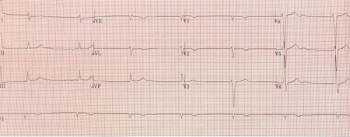
A 42-year-old male with a history of cryptogenic stroke on rivaroxaban (Xarelto) presents to the emergency department for 12 hours of left facial and left finger numbness. What is your diagnosis?

New findings evidences the device commonly used treatment in patients with VTE—despite its association with potentially new DVT development or existing DVT propagation.

Guy Mintz, MD, discusses life as a practicing cardiologist during the ongoing COVID-19 pandemic.

An expert explains why little progress has been made in disease prevalence and burden in the US.

New data disputes the findings of previous observational studies examining the effects of levothyroxine on cardiac function.
Advertisement
Advertisement
Trending on HCPLive
1
eGFR Underestimates CKD in Patients with Cancer, Study Finds
2
The HCPFive: Top News for Healthcare Providers from the Week of 10/18
3
42% on Povetacicept Reach KDIGO-Aligned UPCR Target in RAINIER
4
Tegoprubart Improves Quality of Life vs Tacrolimus After Kidney Transplant
5