





















































Cardiology
Latest News
Advertisement
CME Content
Advertisement

A study from ESC Congress 2020 dove deeper into associations between specific biomarkers and risk of CV events in CAD patients with and without diabetes.

Our latest Emergency Department Minute Quiz from Brady Pregerson, MD. Can you determine the correct diagnosis?

Paul Thompson, MD, offers perspective on the effects of tamoxifen on triglyceride levels.

Melissa Young, MD, offers perspective on the push to create cardiometabolic fellowships versus making endocrinology a more desirable field.
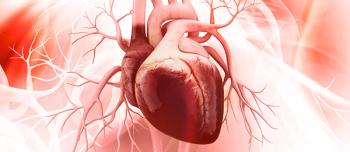
An analysis from ESC Congress 2020 is shedding further light on the effects of dulaglutide in patients with and without background metformin use.

Paul Thompson, MD, offers perspective on the use of ezetimibe in a clinical setting.

The risk of cardiovascular hospitalizations was associated with increasing PM10 at lag 0.
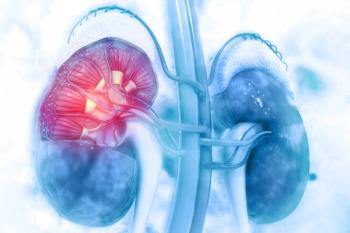
Full results of DAPA-CKD further inform clinicians on dapagliflozin and use of SGLT2 inhibitors in those with and without diabetes.

Manan Pareek, MD, PhD gives an overview about what is currently known about COVID-19 and cardiovascular risk.

An ESC Congress 2020 study details the predictive value of galectin-3 levels for predicting risk of cardiovascular events in patients with type 2 diabetes
A podcast featuring an interview with Prof. Kausik Ray centered around the latest inclisiran data presented at ESC Congress 2020.

A study from ESC Congress 2020 details the effects of initiating rhythm control within the first year of an atrial fibrillation diagnosis.

For patients without diabetes, low serum bicarbonate and higher high sensitivity troponin T, NTproBNP, and urine NGAL were linked to a higher risk of the composite outcome.

Lead investigator of IMPACT-AFib discusses the results of the study and how they inform clinicians on strategies to improve oral anticoagulant use.

A podcast featuring the lead investigator of a recent study examining impact of metabolic syndrome on COVID-19 outcomes in a pair of New Orleans-based hospitals.
Advertisement
Advertisement
Trending on HCPLive
1
eGFR Underestimates CKD in Patients with Cancer, Study Finds
2
The HCPFive: Top News for Healthcare Providers from the Week of 10/18
3
42% on Povetacicept Reach KDIGO-Aligned UPCR Target in RAINIER
4
Kidney Compass: Final 2-Year TELIGAN Data for Telitacicept in IgA Nephropathy
5