





Cardiology
Latest News
Advertisement
Latest Videos






CME Content






















































Advertisement
More News

Pooled analysis of SUSTAIN 6 and PIONEER 6 trials indicates the impact of semaglutide impact on MACE was present regardless of baseline triglyceride levels among diabetic patients.

Professor John McMurray explains why he is not as displeased as some colleagues are with the uptake of SGLT2 inhibitor prescribing rates for patients with heart failure or chronic kidney disease.

Data from HARP-MINOCA suggests use of OCT and cardiac CMR could help determine cause of symptoms in women presenting with MINOCA.
Results of the RIVER trial suggest rivaroxaban was noninferior to warfarin for the study's composite endpoint of all-cause mortality, major cardiovascular events, and major bleeding.

Results of the STRENGTH trial indicate treatment with 4 grams of omega-3 CA (Epanova) daily did not reduce risk of major adverse cardiovascular events and increased risk for atrial fibrillation and adverse events.

In data presented at AAO, investigators examine the impact of anti-VEGF injections on ocular hypertension.

In data presented at AAO 2020, researchers discover new methods for detecting different underlying conditions.
Presented at AHA 2020, results of GALACTIC-HF suggest omecamtiv mecarbil was associated with an 8% reduction in risk for worsening heart failure.

An analysis of blood samples from more than 19k women offers greater insight into the relationship between premature menopause and cardiovascular disease risk in postmenopausal women.

With the spotlight on the issue shining greater than ever in the US, the American Heart Association and cardiologists have been taking aim at addressing structural racism and its impact on health care.

SimpleSENSE is a first-of-its-kind cloth-based diagnostic platform that can capture more than 100 million data points per patient per day across cardiac, pulmonary, and circulatory biomarkers.

An analysis of CDC data presented at AHA Scientific Sessions 2020 suggests rates of high blood pressure complications during pregnancy nearly doubled during a period lasting from 2008-2017.

Analysis of data from the 5000-patient Look AHEAD Trial details the varying effects of changes in lean mass, fat mass, and waist circumference, respectively, on risk of heart failure and myocardial infarctions in patients with type 2 diabetes.

Older patients benefit greater from LDL-cholesterol lowering medications.





An analysis of data from 3 major health studies details associations between anti-inflammatory foods and lower risk of stroke and heart disease.

Analysis of data from the SUSTAIN program suggests adverse gastrointestinal events contributed little to superior weight loss seen with semaglutide versus other GLP-1 receptor agonists.
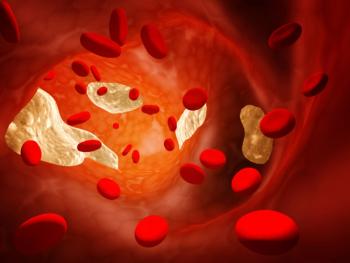
An analysis of patients presenting to more than a dozen stroke centers in England and Scotland gives physicians an updated look at trends and outcomes of stroke patients with COVID-19 compared to their counterparts without the disease.
Advertisement
Advertisement
Trending on HCPLive
1
eGFR Underestimates CKD in Patients with Cancer, Study Finds
2
The HCPFive: Top News for Healthcare Providers from the Week of 10/18
3
42% on Povetacicept Reach KDIGO-Aligned UPCR Target in RAINIER
4
Kidney Compass: Final 2-Year TELIGAN Data for Telitacicept in IgA Nephropathy
5