



Cardiology
Latest News
Advertisement
Latest Videos



CME Content





















































Advertisement
More News

Dr. Gregory Weiss explores and gives perspective on the latest guidelines from the AHA and ACC outlining quality measures for adults with atrial fibrillation or atrial flutter
A resident from Penn State Hershey Medical Center offers perspective on the idea of using SGLT2 inhibitors for primary prevention in patients with type 2 diabetes.

A comparison of data from Teen-LABS and TODAY offer insight into the effects of medical therapy alone vs bariatric surgery in obese teens with type 2 diabetes.

There is concern over whether or not patients are adhering to their treatment during the pandemic.

An analysis of data from more than 900k Veterans suggests use of SSRIs in those with PTSD was associated with an increased risk of hemorrhagic stroke.
Dr. Gerald Shulman discusses how diabetes can eventually be reversed.

An analysis of data from Geisinger suggests living closer to fracking activity could increase a person's risk of hospitalization for heart failure.
By addressing insulin resistance, researchers believe they can reduce the comorbidities associated with type 2 diabetes.

Dr. Giorgino discusses how combining SGLT2 Inhibitors and GLP-1RA could be combined for treating type 2 diabetes.
A resident from Penn State Hershey Medical Center offers his perspective on the potential of the SGLT2 inhibitor class to transform the treatment of diabetes and cardiovascular disease among patients with diabetes.

Results of the INVESTED trial offer clinicians into the effects of high-dose versus standard-dose influenza vaccines in patients with high-risk cardiovascular disease.
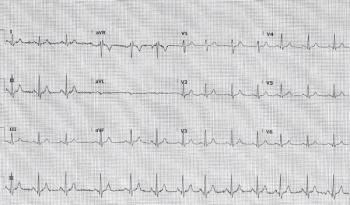
Check out our latest case report from Brady Pregerson, MD, which features a man in his 90s presenting to the ED with fatigue similar to what he had during a diverticular bleed less than 2 weeks prior.

Investigators evaluated patients from 3 Chicago hospital systems and assessed risk factors associated with thrombosis.

An analysis of data from the Look AHEAD study details the associations between long-term variability of glycemic markers and increased risk of all-cause and cardiovascular mortality.

Diabetic patients are more susceptible to severe COVID-19 outcomes.
Dr. Kausik Ray presents new data on inclisiran and bempedoic acid as cholesterol lowering medications.

New research from the Mayo Clinic is outlining the successes and pitfalls of efforts to improve statin adherence in a comparison of data from the OptumLab Data Warehouse from 2007-2016.

An analysis of data over a 12-year period details the disparities in outcomes following first heart attack among female versus male patients.
Data from an analysis of more than 25k women by a team from Brigham and Women's Hospital and Harvard Medical School suggests greater adherence to a Mediterranean diet was linked to a lower risk of developing diabetes.

Yehuda Handelsman, MD: The World Congress of Insulin Resistance, Diabetes and Cardiovascular Disease Preview
ByHCP Live
The TMIOA Medical Director highlights the best sessions, new topics, and growing discussion around the 18th annual congress.

An analysis of the Look AHEAD study by investigators at Johns Hopkins details associations between long-term variability of glycemic markers and increased risk of all-cause and cardiovascular mortality.

Data from more than 37k patients in the UK Biobank study suggests hypertension in midlife was linked to an increased risk of white matter hyperintensities later in life.
2020 was the year when regulators, clinicians, and patients had no choice but to embrace the concept of wearable monitoring devices. But it’s been a long time coming for the technology class.

A recent analysis of more than 45k patients from Canada suggests women were 20% more likely to die or develop heart failure in the first 5 years after an incident myocardial infarction.

Pediatric patients who initiated insulin pump therapy within 6 months of diagnosis demonstrated better cardiovascular risk profiles than those who delayed treatment.
Advertisement
Advertisement
Trending on HCPLive
1
eGFR Underestimates CKD in Patients with Cancer, Study Finds
2
The HCPFive: Top News for Healthcare Providers from the Week of 10/18
3
42% on Povetacicept Reach KDIGO-Aligned UPCR Target in RAINIER
4
Kidney Compass: Final 2-Year TELIGAN Data for Telitacicept in IgA Nephropathy
5