






Cardiology
Latest News
Advertisement
Latest Videos






CME Content





















































Advertisement
More News

An AHA study suggests nearly 66% of all COVID-19 hospitalizations could be attributed to the presence of obesity, diabetes, hypertension, or heart failure.

Dr. Gregory Weiss reflects on what he believes are the 6 most significant advances to occur in cardiovascular medicine since 2000. His picks included statins, public awareness campaigns, and transcatheter aortic valve replacement.

A web-based model developed by a team at Thomas Jefferson University appeared to accurately predict risk of stroke and adverse cardiovascular events following non-cardiac surgery.
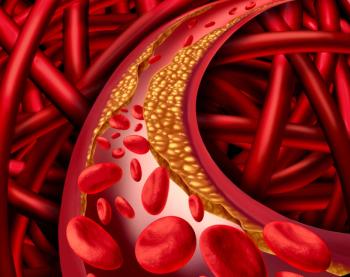
An analysis of data from a 12-week trial in overweight men on testosterone therapy is providing insight into the potential effect of testosterone therapy on vascular health and function.

An analysis of data from 130 women suggests those with hypertensive disorders of pregnancy were at an increased risk of cardiovascular disease later in life, even if they had no baseline history of cardiovascular disease.

There was no difference in rates of 30-day cardiac mortality and acute myocardial infarction between single troponin test recipients and serial troponin test recipients.

Using data from the Women's Health Initiative, a new analysis found increased intake of plant protein was linked to lower risk of all-cause mortality, as well as deaths related to cardiovascular disease and dementia, in postmenopausal women.

Unhealthy lifestyles during the pandemic may increase the risk of cardiovascular disease.

An observational analysis of data from more than 120k patients provides an overview of cerebral embolic protection devices and risk of in-hospital stroke among patients undergoing TAVR.

Children and adolescents with direct or indirect exposure to tobacco had higher odds of having elevated blood pressure.

An analysis of more than 2k patients from within the Look AHEAD study suggests the timing of physical activity could play a role in mitigating cardiovascular risk among men with type 2 diabetes considered overweight or obese.

Dr. Gregory Weiss offers his thoughts on the most clinically impactful studies related to COVID-19 and cardiology released in the past year from his perspective as a critical care cardiologist.

An analysis of data from more than 130 women suggests hypertensive disorders of pregnancy were associated with cardiac remodeling and risk of cardiovascular disease later in life.

Study finds team collaboration could also help primary care practices deal with an expected boom in the number of elderly people with chronic conditions.

Analysis of data from a 12-week study by investigators in Australia suggests testosterone therapy was not associated with improvements in arterial health or function.
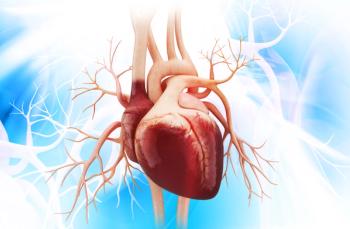
An analysis of more than 100 patients hospitalized with severe COVID-19 indicates subsequent heart damage was discovered in more than half of these patients in imaging more than a month after discharge.

An analysis of more than 2k mother-child dyads suggests assessments of cardiovascular health could provide insight into the health of offspring during adolescence.
An analysis of data from the APPROACH registry suggest early revascularization with CABG or PCI may be a more effective approach than medical therapy in patients with stable ischemic heart disease and high-risk cardiac anatomy.

An analysis of more than 2k mother-child pairs indicates assessments of maternal cardiovascular health could shed light on the potential for poor cardiovascular health among their children at ages 10-14 years.
An analysis of nearly 150 patients with severe COVID-19 and increased troponin levels indicates more than half of those patients went on to develop infarction, myocarditis, ischemia, or a combination of the three.

Researchers find a significant benefit at day 28 when compared to a group taking a placebo.

Check out our latest case report from Brady Pregerson, MD, which features a man in his 70s who recently recovered from COVID-19. Can you determine the correct diagnosis?
The approval was based on data from the PARAGON-HF study.
Dr. Khan discusses some of the risk factors associated with CHD.

With a backdrop of American Heart Month, Arnold Meshkov, MD, reflects on the history of cholesterol and advances in the treatment of cholesterol disorders throughout history.
Advertisement
Advertisement
Trending on HCPLive
1
eGFR Underestimates CKD in Patients with Cancer, Study Finds
2
The HCPFive: Top News for Healthcare Providers from the Week of 10/18
3
42% on Povetacicept Reach KDIGO-Aligned UPCR Target in RAINIER
4
Tegoprubart Improves Quality of Life vs Tacrolimus After Kidney Transplant
5