





Cardiology
Latest News
Advertisement
Latest Videos






CME Content






















































Advertisement
More News

Data suggests that the non-vitamin K antagonist blood thinner may be used as default treatment among post-operative patients in need of oral anticoagulation.

The low-dose cohort of RP-A501 conferred cardiac LAMP2B transgene expression.

There was no significant association between uric acid levels and incident stroke.

An analysis of data from more than 12k women suggests use of DXA scans can help predict women with increased risk of ASCVD events and also sheds light on the relationship between osteoporosis and cardiovascular health.

The latest study from Penn Medicine's Nudge Unit is detailing the impact of time of appointment on the probability of receiving a prescription for statin therapy at primary care clinics among patients with an indication for statin therapy.

Meredith McCormack, MD discusses consequences of high air pollution levels in the United States found in the 2021 American Lung Association State of the Air Report.
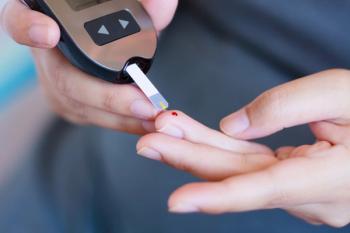
An analysis presented ahead of ACC.21 details the increased risk of MACE associated with prediabetes, suggesting patients were at nearly twice the risk of experiencing a major cardiovascular event.

An analysis from ACC.21 is providing an overview of the impact of prediabetes compared to normoglycemia on risk for major adverse cardiovascular disease events.

Research at ARVO 2021 highlighted a gamut of interplaying diabetes and vision loss risk factors, and even treatments for both. But experts depict a referral and care process that lacks whole diabetes care.

An analysis of claims data from more than 7k patients suggests patients with severe obesity and type 2 diabetes who underwent bariatric surgery experienced a 68% reduction in cardiac mortality and 34% reduction in cardiac events compared against standard medical management.

A discussion with an investigator on how the SGLT-2 inhibitor may help affected patients.

The AHA has released a scientific statement aimed at outlining the current knowledge base related to risk of cardiovascular disease associated with hormonal therapies used in the treatment of breast and prostate cancer.
CDC data suggest ophthalmic patients are significantly more likely to present with a heart disease-driving condition or habit. How could preventive care improve?

New data from an analysis of the ISCHEMIA trial is providing insight into the days alive out of hospital with an initial invasive or conservative approach to the management of stable ischemic heart disease.

Dr. Paul Thompson reflects on the results of recent N-of-1 studies examining the effects of statin therapy on muscle pain and offers his perspective on the conclusions drawn by these trials.

The USPSTF recommendation reaffirms their 2015 stance, which calls for screening adults 18 years or older with office blood pressure measurement and obtaining measurements outside of a clinical setting for diagnostic confirmation before starting treatment.

Results of 1-year follow-up from the Harmony TPV Clinical trial provide insight into the safety and efficacy of the recently approved Harmony TPV system in patients with congenital heart disease and severe pulmonary regurgitation.
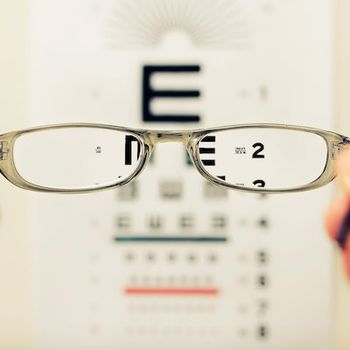
A new CDC study shows the link between poor vision and heart disease is not just limited to cardiovascular events.

A study from McMaster University is providing updated information related to the prevalence of hypertension and albuminuria in younger patients with type 2 diabetes.

An analysis of data from NYU Langone provides perspective into the rapid decline of emergency department presentations for acute myocardial infarction that occurred during the peak of the COVID-19 pandemic.

New data show a link between body mass index and increased risk of adverse effects from COVID-19.

New data show blood pressure lowering medication can be effective in reducing cardiovascular events in adults, regardless of blood pressure levels or history of cardiovascular risk.

An analysis comparing a national registry against ISCHEMIA enrollment criteria suggests trial eligibility represents less than 2% of all patients undergoing PCI and less than a third of patients undergoing PCI with stable ischemic heart disease.

New data find significant associations between every five-year earlier onset of diabetes and a higher hazard rate of dementia, in patients aged 35-75 years old.

Our latest case report from Brady Pregerson, MD, features a woman in her 20s presenting with dyspnea and palpitations followed by a syncopal episode. Check out the EKG and see if you can determine the correct diagnosis.
Advertisement
Advertisement
Trending on HCPLive
1
eGFR Underestimates CKD in Patients with Cancer, Study Finds
2
The HCPFive: Top News for Healthcare Providers from the Week of 10/18
3
42% on Povetacicept Reach KDIGO-Aligned UPCR Target in RAINIER
4
Tegoprubart Improves Quality of Life vs Tacrolimus After Kidney Transplant
5