





Cardiology
Latest News
Advertisement
Latest Videos





CME Content






















































Advertisement
More News

Dabigatran etexilate was approved in both oral pellet and capsule forms for varying pediatric patient populations.

A pilot trial in 29 women suggests a combination of metformin and high dose fish oil could reduce triglycerides and ApoB-remnants among young women with polycystic ovary syndrome.

Data from more than 1000 women in Australia suggests each incremental increase in abdominal aortic calcification was linked to a 3% increase in the risk of fall-related hospitalizations.

Investigators considered myocarditis favorable to COVID-19 infection, with resolution of symptoms in all patients.

A case series of 7 patients from a pair of US medical centers details the treatment and presentation of patients with myocarditis-like illness after receiving a COVID-19 vaccine.

Results of an open-label randomized trial suggests targeted hypothermia among unconscious cardiac arrest patients may not provide mortality benefits compared to normothermic patients.
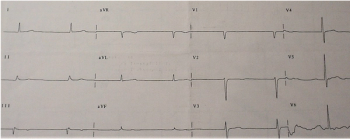
Our latest case report from Dr. Brady Pregerson features a man in his late 50s presenting to the ED for syncope. Check out the EKG and see if you can determine the correct diagnosis.

A comparison of data from patients with cancer and ASCVD from a nationally representative survey suggests the financial burden of cardiovascular disease was similar to or exceeded the burden imposed by cancer.

Data show higher risk for incident cancer observed with PCE of <7.2%, while higher PCE led to increased risk of incident CVD.

New research indicates improvements in cardiovascular health during young adulthood among patients with low baseline cardiovascular health could reduce the rates of premature cardiovascular disease as the population ages.


Data show variations in the type, effectiveness, and implementation of QI strategies for patients with CVD.

Data from the UK Biobank cohort details the increased risk of adverse health outcomes, including the development of diabetes and heart failure, among patients considered to have metabolically healthy obesity.
A recent review of data from within a major European-based database indicates women with PCOS were at a 26% greater risk of major adverse cardiovascular events when compared to matched controls without polycystic ovary syndrome.

The final slideshow in our multipart series, this slideshow examines the scope of work and conclusions from the AHA/ACC task force who tackled the topics of overcoming hurdles with new care delivery systems for the American Heart Association/American College of Cardiology Consensus Conference on Professionalism and Ethics.

The rate of major thromboembolism within 90 days was 1.2% for placebo and 1.0% for dalteparin.

The fourth of 5 slideshows in our multipart series, this slideshow examines the scope of work and conclusions from the AHA/ACC task force who tackled the topics of patient autonomy, privacy, data access, and social justice in cardiology for the American Heart Association/American College of Cardiology Consensus Conference on Professionalism and Ethics.

An analysis of survey responses from 2013-2018 indicates many patients with a history of cardiovascular disease who use tobacco continue to do so, despite being aware of the increased risk associated with smoking and tobacco use.
A comparison of women with PCOS to matched controls indicates women with PCOS were at a 26% greater risk of experiencing major adverse cardiovascular events than their counterparts without polycystic ovary syndrome.

A study from Brown University demonstrates MagSafe technology used in the iPhone 12 Pro Max could interfere with cardiac implantable electronic devices.

The third of 5 slideshows included in our "A Need for Change" series, details the work of Task Force 3 from the American Heart Association/American College of Cardiology Consensus Conference on Professionalism and Ethics, which sought to identify shortcomings and avenues for improving the well-being of cardiologists and cardiology professionals.

Dapagliflozin and the SGLT2 inhibitor class may have untapped potential far beyond the reduction of heart failure hospitalization risk.
A cross-sectional analysis of NHANES data paints a grim picture related to rates of patients with diabetes achieving goals for glycemic, blood pressure, and lipid control.

Data show 21.2% of patients with CAD reported angina at least once monthly, with 12.5% reporting daily or weekly angina.

The second of 5 slideshows in our multipart series, this slideshow examines the scope of work and conclusions from the AHA/ACC task force who addressed diversity, equity, inclusion, and belonging in cardiovascular medicine.
Advertisement
Advertisement
Trending on HCPLive
1
eGFR Underestimates CKD in Patients with Cancer, Study Finds
2
The HCPFive: Top News for Healthcare Providers from the Week of 10/18
3
42% on Povetacicept Reach KDIGO-Aligned UPCR Target in RAINIER
4
Tegoprubart Improves Quality of Life vs Tacrolimus After Kidney Transplant
5