






Cardiology
Latest News
Advertisement
Latest Videos






CME Content






















































Advertisement
More News

Experts examine the safety and efficacy data presented within the review article, “Role of Bempedoic Acid in Clinical Practice.”

A new study suggests moderate caloric restriction combined with aerobic exercise could improve vascular health in older patients with obesity.

Kelly Chin, MD discusses the recent FDA approval of selexipag IV and breakthroughs in the cardiovascular care space.

An ancillary study to the INFINITE trial details the benefits of caloric restriction plus exercise versus exercise alone on aortic stiffness measured using CMRI in older adults with obesity.

The platform leverages optical coherence tomography and Ultreon Software.

With FDA clearance announced in a statement on August 3, the Ultreon Software, which combines OCT imaging with artificial intelligence, could help improve diagnosis and treatment compared to traditional imaging methods.

Data show the expression levels of miR-214, BNP, NT-proBNP, and sST2 were significantly higher compared to the control group.

Our latest case report from Brady Pregerson, MD, features a man in his mid-60s presenting to the ED after his primary care provider referred him for 6 hours of vomiting that had occurred the day prior. Can you determine the correct diagnosis?

Dr. Gregory Weiss, a cardiovascular anesthesiologist, offers perspective on the topic of long COVID syndrome and how the prospect of this phenomenon impacts clinical settings.
The FDA approved selexipag tablets for PAH in 2015.

Dr. Paul Thompson reflects on his experiences as a practicing cardiologist, including having the ability to impact early-career clinicians and what he gains when presented with the opportunity to teach other providers.

Data show a patient aged 65 years would have an extrapolated mean event-free survival of 6.2 years for placebo and 8.3 years for dapagliflozin, at a gain of 2.1 years.

In this series of HCPLive® State of the Science, 4 experts discuss knowledge and treatment in the cardiovascular risk management space.

Data show dapagliflozin was projected to add 0.63 quality-adjusted life-years at an incremental lifetime cost of $42, 800.

Data show no significant difference in time to first heart failure rehospitalization or death compared to usual care in patients with HFrEF.

A cross-sectional analysis of data from the National Center for Health Statistics indicates the presence of 4 cardiovascular risk factors prior to becoming pregnant can help identify pregnancies at increased risk of adverse fetal or maternal outcomes.

A systematic review and meta-analysis of randomized trials suggest use of physical activity trackers, such as pedometers and accelerometers, were linked to increased levels of physical activity versus non-use in patients with cardiometabolic conditions.

Dr. Martin explains the connection between inclusive cardiology technology and patient care and confidence.
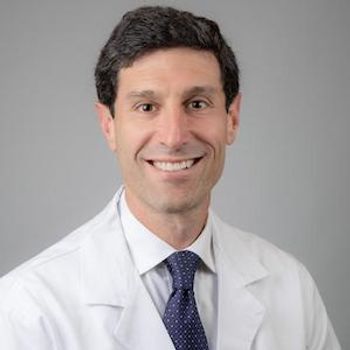
In part 2 of an interview with HCPLive, Ty Gluckman, MD discusses both the advantages and disadvantages of technology replacing traditional care.

Marc Bonaca, MD discusses the personalization of treatment in PAD patients, lack of proper research into the condition, and optimizing delivery of care.
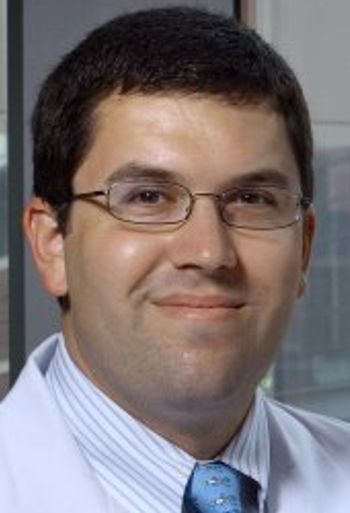
Advancements in technology and the availability of resources for patients and doctors alike could mean a bright future for cardiology research.
Ty Gluckman, MD speaks on the use of medical technology, including wearables and and telemedicine, and the growing importance of mobile health.

Harold Bays, MD discussed the effectiveness of GLP-1 RA in treatment, as well as the development of oral semaglutide.
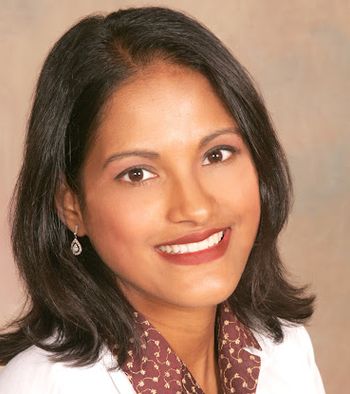
Dr. Taub speaks on the technology-based advancements in cardiovascular care and socioeconomic status can affect a patient’s diet and access to care.

Peter Toth, MD discusses the combination treatment aspects of lipid management agents, as well as the effect of the COVID-19 pandemic on cardiovascular care.
Advertisement
Advertisement
Trending on HCPLive
1
eGFR Underestimates CKD in Patients with Cancer, Study Finds
2
The HCPFive: Top News for Healthcare Providers from the Week of 10/18
3
42% on Povetacicept Reach KDIGO-Aligned UPCR Target in RAINIER
4
Tegoprubart Improves Quality of Life vs Tacrolimus After Kidney Transplant
5