


Cardiology
Latest News
Advertisement
Latest Videos


CME Content






















































Advertisement
More News
A post hoc analysis of the REWIND trial suggests women with diabetes were less likely to achieve treatment targets and receive guideline-directed medical therapies than their male counterparts.

Differences in CV risk factors persisted between Black participants and White participants and may be due to social determinants of health.

An analysis of patient outcomes for those undergoing transfemoral TAVR from 2008-2018 sugggests permanent pacemaker implantation was not associated with an increase in risk of cardiovascular mortality, heart failure, or endocarditis.

Research presented at EASD 2021 suggests patients with metabolically healthy obesity were still at an increased risk of heart failure and atrial fibrillation when compared to their counterparts who had always maintained a healthy weight.

Data show SGLT2 inhibitor therapy, in comparison to GLP-1 RA therapy, was associated with slightly lower risk for myocardial infarction (MI) or stroke in patients with CVD.
Abbott announced on September 29 the FDA had granted approval to the Amplatzer Talisman PFO Occluder for use in patients with a PFO at risk of recurrent stroke. This approval was accompanied by the clearance of the Amplatzer Talisman Delivery Sheath.

Data show the 20-year cumulative incidence of AVR was 3.4% in mild AS, 20.2% in moderate AS, and 54.6% in severe AS.
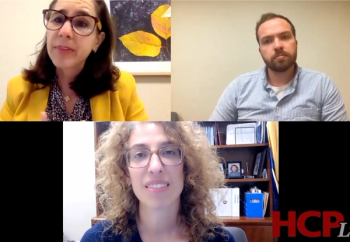
Montefiore experts discuss the emphasis on education at their MFM-Cardiology care program.
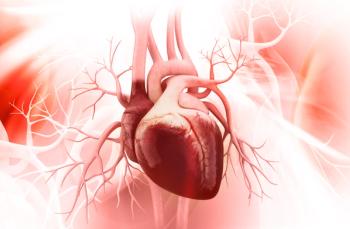
New data presented at EASD 2021 suggests patients with metabolically healthy obesity were at a 34% greater risk of developing new-onset heart failure and a 33% greater risk of new-onset AF than counterparts of healthy weight and no metabolic abnormalities.
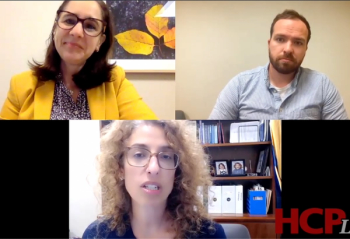
An obstetrician-gynecologist and a cardiologist discuss the inception of their joint cardiovascular care program for expecting mothers.
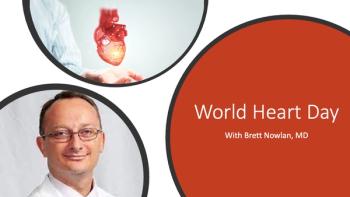
Although they are often overlooked, awareness days serve an important role in educating the public and drawing attention to overlooked disease states. In a recent interview, Brett Nowlan, MD, reflects on the importance of awareness days.

A study from EASD 2021 suggests increased insulin resistance could help predict risk of incident stroke events among adult patients with type 2 diabetes, with results indicating lowest levels of insulin resistance were at a 40% lower risk of stroke compared to those with the highest levels.

An analysis of NHANES data presented at EASD 2021 details the effects of returning to a healthy weight among patients with obesity compared to those currently with obesity and those who always maintained a healthy weight.

In patients with T2D without prior CVD, chronic kidney disease was the single risk factor associated with highest risk of MACE.

Analysis data show 3 times more risk of intensive care unit care in patients with venous thromboembolism compared to non-VTE patients (RR: 2.78).

A posthoc analysis of the REWIND trial is providing insight into the overall standard of care seen with women with diabetes and increased cardiovascular risk compared to their male counterparts with diabetes and increased cardiovascular risk.
Announced on September 24, the approval is for use as an adjunct to diet and other LDL-C-lowering therapies for reducing LDL-C in patients aged 10 years and older with heterozygous familial hypercholesterolemia.

The approval is based on 24- and 80-week findings showing significant benefit in LDL-C reduction with the subcutaneous injection drug.
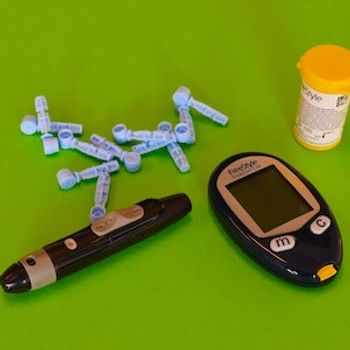
Sotagliflozin reduced HbA1c by 0.42% and heart failure by 32% in comparison to placebo.

To allow our audience to become more acquainted with our advisory board members, Practical Cardiology will be hosting a special content series highlighting our board members, their practices, and why they were invited to help guide coverage moving forward.

Hazard ratios for CHD included 1.57 for cumulative LDL-C level, 1.69 for TWA LDL-C level, and 0.88 for LDL-C slope.

Episode 2 of HCPLive Crisis Point tackles the clinical aspects and potential burdens clinicians face in the pursuit of obesity care.

Viet Le, PA-C, details his experience at the Heart Failure Society of America annual meeting from the perspective of a physician assistant.
In his recent presentation, Dr. Sperling spoke of how a greater focus needed to be made on the implementation of cardiovascular care strategies, as well as better utilization of health system approaches.

A trial comparing 3 eating patterns suggests a healthy dietary approach could lower cardiovascular risk factors among pediatric patients considered to be overweight or obese.
Advertisement
Advertisement
Trending on HCPLive
1
eGFR Underestimates CKD in Patients with Cancer, Study Finds
2
The HCPFive: Top News for Healthcare Providers from the Week of 10/18
3
42% on Povetacicept Reach KDIGO-Aligned UPCR Target in RAINIER
4
Tegoprubart Improves Quality of Life vs Tacrolimus After Kidney Transplant
5