



Cardiology
Latest News

Higher NT-proBNP Level in Early Pregnancy Linked to Lower Risk of HDP, Hypertension
Advertisement
Latest Videos








CME Content






















































Advertisement
More News

The largest study of its kind to date provides evidence suggesting a causal relationship between cfPWV and cIMT in adolescence with increased insulin resistance and dyslipidemia in young adulthood.
A recent analysis of data from more than 4000 women suggests higher NT-proBNP concentrations during early pregnancy were associated with a 19% reduction in risk of HDP and a 16% reduction in risk of hypertension 2-7 years after delivery.

Data show the change in CHD prevalence from 2011 - 2018 (6.2% to 6.0%) was statistically insignificant.

Comparing retrospective echocardiogram data from 60 controls and 60 children with MIS-C, a team of investigators from Children's Hospital of Philadelphia provides an overview of the heart function recovery in children with COVID-19-related MIS-C.

Data show among patients with focal FDG uptake, PET/MRI and inflammatory blood markers resolved at follow-up performed at a mean of 52 days after baseline.

Results of a study examining predictors of arterial stiffness in type 1 diabetes concluded age, sex, and flow-mediated dilation were uniquely associated with increased arterial stiffness.

Data show the 1-year incidence of the composite primary endpoint was 10.6% among patients randomized to FFR-guided PCI and 6.9% in CABG.
Joshua Joseph, MD, MPH, discusses the onus behind a recent AHA scientific statement outlining pitfalls and contemporary management goals for the cardiovascular health of patients with type 2 diabetes.

Dr. Gregory Weiss discusses the topic of wearable technology for remote patient monitoring through the lens of a cardiovascular anesthesiologist.

Sexual activity was involved in 0.2% of all SCDs, with sudden arrhythmic death syndrome and cardiomyopathies predominant underlying causes.


Abbott's device is designed to create highly detailed 3-dimensional maps of the heart to help physicians identify and treat abnormal rhythms.

A recent study describes an association between use of psychotropic medications and increased mortality in patients with cardiovascular disease, but results suggest this may be driven by presence of anxiety rather than the medication.

A study found psychotropic medication use was associated with a higher risk of 1 year all-cause mortality, regardless of self-reported symptoms of anxiety.

A recent study showed anticoagulant therapy for 6 weeks compared to 3 months met noninferiority criteria, based on a combination of recurrent VTE risk and bleeding risk.
With the aim of improving the rate of patients with diabetes achieving optimized cardiovascular risk factor management, the AHA has released a scientific statement detailing contemporary data and management approaches to help achieve these goals.

Data show Black and White patients had a similar risk of MACE over a median 24.4-month follow-up.
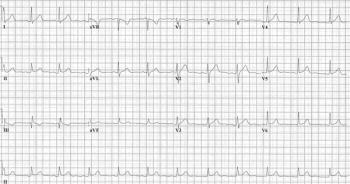
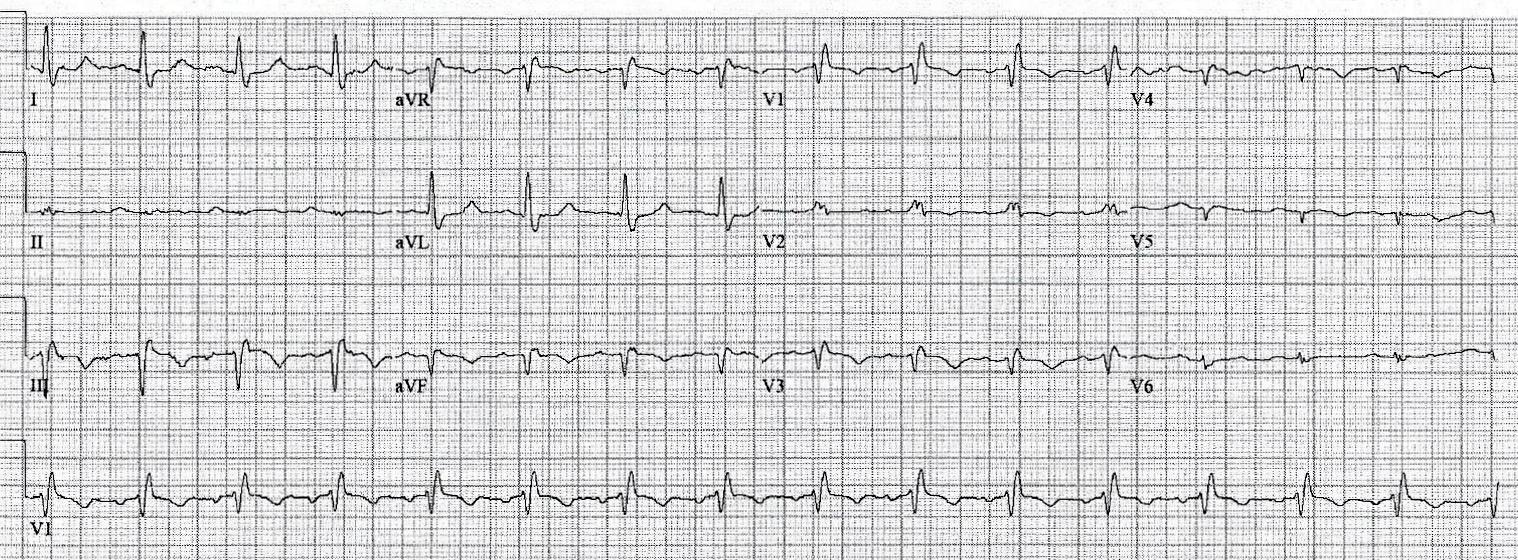
Check out the latest cardiology case report from Brady Pregerson, MD. This report features a man in his mid-40s with epigastric pain but no reports of any shortness of breath, sweating, nausea, vomiting, chest pain, or other complaints. Can you determine the correct diagnosis?

From the pooled results of TRILOGY 1 and 2, data show 4 g/d of ω-3–PL/FFA reduced TG levels by 10.9% at 12 weeks and 12.7% at 26 weeks, relative to placebo.


A comparison of data from patients with mild to moderate COVID-19 provides insight into the long-term effects on cardiac, renal, pulmonary, and thrombotic function status.

The adjusted change in 24-hour systolic blood pressure from baseline to 12 weeks was −11.0 mm Hg in the chlorthalidone group and −0.5 mm Hg in the placebo group.

A cross-sectional study of more than 1000 patients suggests presence of MACS in patients with benign adrenal tumors was associated with increased prevalence and severity of hypertension as well as an increase in the likelihood of requiring insulin therapy in type 2 diabetes.

In comparison to men, women with ASCVD were more likely to report being clinically depressed, have cost-related medication nonadherence, and have not seen a physician due to cost.

In older adults with atrial fibrillation, rivaroxaban was associated with a significantly increased risk of major ischemic or hemorrhagic events compared to apixaban.
Advertisement
Advertisement
Trending on HCPLive
1
eGFR Underestimates CKD in Patients with Cancer, Study Finds
2
The HCPFive: Top News for Healthcare Providers from the Week of 10/18
3
42% on Povetacicept Reach KDIGO-Aligned UPCR Target in RAINIER
4
Q&A: Looking Beyond Body Surface Area in Atopic Dermatitis Treatment Selection
5