






Cardiology
Latest News
Advertisement
Latest Videos






CME Content






















































Advertisement
More News

Desai discusses the potential long-term effects of mavacamten and what it could mean for a patient population with HCM.

Results of the CHAP project demonstrate active treatment of chronic mild hypertension was associated with reductions in risk of adverse pregnancy outcomes and is unlikely to harm the developing child.

Investigators believe the novel monoclonal antibody may be a suitable agent in patients with major bleeding risk or those undergoing surgery.

Findings from SODIUM-HF suggest strategies to reduce dietary sodium intake to less than 1500 mg daily were not more effective than usual care in reducing hospitalization risk.
Findings from VALOR-HCM suggest more data is needed to assess the durability of improvement in septal reduction therapy eligibility over longer time periods.

Results of the VALOR-HCM trial indicate patients with hypertrophic cardiomyopathy could reduce their need for septal reduction therapy and improve quality of life with use of mavacamten, a selective cardiac myosin inhibitor from Bristol Myers Squibb.

New late-breaking ACC 2022 data support the use of antihypertensive therapy to reduce risk of events including preeclampsia and neonatal death among at-risk expecting mothers.

A pilot study presented at ACC.22 demonstrates the impact of implementation of an RPM program to improve blood pressure control in patients with hypertension at primary care clinics.

New research suggests a consistent risk reduction of empagliflozin may be theorized independent of region or race categories.

An investigator discusses new ACC 2022 data showing valvular heart disease is disparately impacting older patients, as well as females, with previously unanticipated manifestations.

Hospitalized HFrEF patients had a higher rate of the cardiovascular death or a worsening heart failure event than outpatients
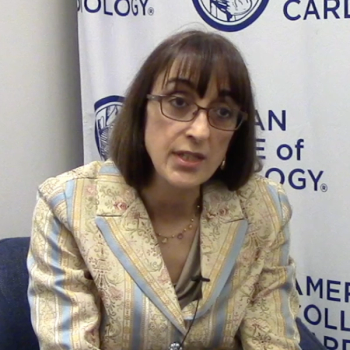
Guideline writing committee co-chair Biykem Bozkurt, MD, PhD, discusses the utility of the drug class in HF prevention and risk reduction.
On March 30, Akieba Therapeutics announced the receipt of a CRL from the FDA for their NDA for vadadustat as a treatment for anemia due to chronic kidney dialysis in adult patients on dialysis and not on dialysis.

Headed to ACC.22 this weekend or following along virtually? Hear from Don't Miss a Beat co-hosts Drs. Vaduganathan and Greene on their top picks from the late-breaking sessions at the upcoming American College of Cardiology meeting.

A systematic review from ACC.22 suggests wearable technology, specifically those for assessing heart rate and arrhythmias, may be less accurate when used by individuals with darker skin tones.
Dr. Bailey highlights the innovative nature of the procedure and breaks down the process at his institution.

In a population aged 70 years and older, a remote history of VT was associated with an increased risk of VT independent of other factors.

With the newest indication, the GLP-1 agonist is now available in 3 different doses for diabetic adults.

Lead investigator of a recent study assessing risk of long-term COVID-19 risk using data from more than 11 million patients, Ziyad Al-Aly, MD, sits down with Practical Cardiology for a Q&A on the findings from his research.

Sponsored Content

Large variations were observed in the transition between monotherapy and dual combination therapy for hypertension across countries and demographic group.

An analysis of data from more than 110k hospitalized patients with COVID-19 suggests aspirin use on the first day of hospitalization was linked to lower odds for both in-hospital mortality and pulmonary embolism in weighted analyses.

Strategies to improve enrollment of underrepresented populations were centered on study design and site selection, community engagement, and changing the research paradigm.

Greater increases were observed among members of racial and ethnic minority groups, with the highest increase among non-Hispanic Black individuals.

Data from the REMAP-CAP trial suggests use of aspirin or P2Y12 inhibitors had a low likelihood of improving organ support-free days in critically ill patients with COVID-19 within 21 days compared to no antiplatelet therapy.
Advertisement
Advertisement
Trending on HCPLive
1
eGFR Underestimates CKD in Patients with Cancer, Study Finds
2
The HCPFive: Top News for Healthcare Providers from the Week of 10/18
3
42% on Povetacicept Reach KDIGO-Aligned UPCR Target in RAINIER
4
Q&A: Looking Beyond Body Surface Area in Atopic Dermatitis Treatment Selection
5