






Cardiology
Latest News
Advertisement
Latest Videos





CME Content






















































Advertisement
More News

A higher percentages of patients treated with tirzepatide had HbA1c less than 7% versus those treated with placebo (85%-90% versus 34%).
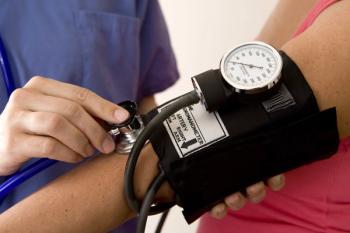
Data from the PATH-BP study suggests patients receiving daily acetaminophen experienced significant increases in systolic and diastolic blood pressure after just 2 weeks of receiving the medication.

The NDA has been assigned standard review with a PDUFA target action date in late November 2022.

A recent analysis of data is providing insight into the use of aspirin for preeclampsia prevention among women with prepregnancy obesity, hypertension, or diabetes.

No difference was observed between atrial shunt placement and sham in the endpoint of CVD death, non-fatal ischemic stroke at 12 months, and rate of total heart failure events at 24 months.

In commemoration of Wear Red Day, here's a breakdown of how US regions differ in cardiovascular disease burden among women.

Knowing the symptoms and risk factors of CVD unique to women can aid in awareness and prevention efforts.

Dr. Poornima explores improving engagement in women’s cardiovascular care from both a provider and a patient level.

Cardiovascular disease is the leading cause of death for women.
Released on February 4, the latest expert consensus statement from the Society for Cardiovascular Angiography and Interventions provides clinicians with an overview of available knowledge related to myocardial revascularization in women and calls attention to existing gaps in knowledge.

Women with high social isolation and high loneliness scores had a 13.0% - 27.0% higher risk of incident CVD compared to women with low scores.

Dr. Radhakrishnan discusses both the effects of gender bias and why women don't get screened for heart disease.

On Wear Red Day, Dr. Ivanova advocates for increased awareness and diversity in women's cardiovascular care.

Investigators noted that clinically relevant risks could not be excluded with certainty despite not seeing a statistically significant increase in corresponding risks for more rare and severe thrombotic outcomes.

Released on Jan. 31, the updated consensus statement from the Society for Cardiovascular Angiography and Interventions provides a 3-axis model for shock classification and represents the first update since the original statement was released in 2019.

Rates of aspirin use for preeclampsia prophylaxis were observed in a minority of women with risk factors including pre-pregnancy diabetes, obesity, or chronic hypertension.

Don't Miss a Beat is Practical Cardiology's expert-led podcast. The monthly podcast, which is hosted by Drs. Greene and Vaduganathan, will provide a regular news roundup of the latest evidence and clinical trial insights across cardiovascular, renal, and metabolic diseases.
Each month, our editorial staff compiles a month in review highlighting the most popular content from the past month. January's month in review features new guidelines, a panel discussion, COVID-19-related news, and more.

Dr. Gregory Weiss provides insight into what he is most excited about in the field of cardiovascular medicine heading into 2022.

There was not an association between sleep duration and metabolic diseases found in men.

An analysis of Vaccine Adverse Event Reporting System (VAERS) data suggests three-fourths of all myocarditis cases observed in the first 8 months of COVID-19 vaccination occurred in persons 30 years and younger.

New findings from CDC data show three-fourths of all myocarditis cases observed in the first 8 months of COVID-19 vaccination occurred in persons 30 years and younger.

The new guidelines conclude that current evidence is insufficient to assess the balance of benefits and harms of screening for AF in adults ≥50 years.
On January 25, the Society of Thoracic Surgeons and American Association of Thoracic Surgery released new guideline recommendations for the diagnosis and management of patients with type B aortic dissection.
Advertisement
Advertisement
Trending on HCPLive
1
eGFR Underestimates CKD in Patients with Cancer, Study Finds
2
The HCPFive: Top News for Healthcare Providers from the Week of 10/18
3
42% on Povetacicept Reach KDIGO-Aligned UPCR Target in RAINIER
4
Q&A: Looking Beyond Body Surface Area in Atopic Dermatitis Treatment Selection
5