




Cardiology
Latest News
Advertisement
Latest Videos








CME Content






















































Advertisement
More News
Each month, our editorial staff compiles a month in review highlighting the most popular content from the past month. February's month in review features FDA approvals, heart failure trials, and data from ISC 2022.

New research suggests pregnancies conceived with assisted reproductive technology were associated with a more than doubling in risk for acute kidney injury.

A new study indicates a novel, 2-step deep learning algorithm developed using echocardiogram videos was able to identify left ventricular hypertrophy and the cause with greater accuracy than trained clinicians.

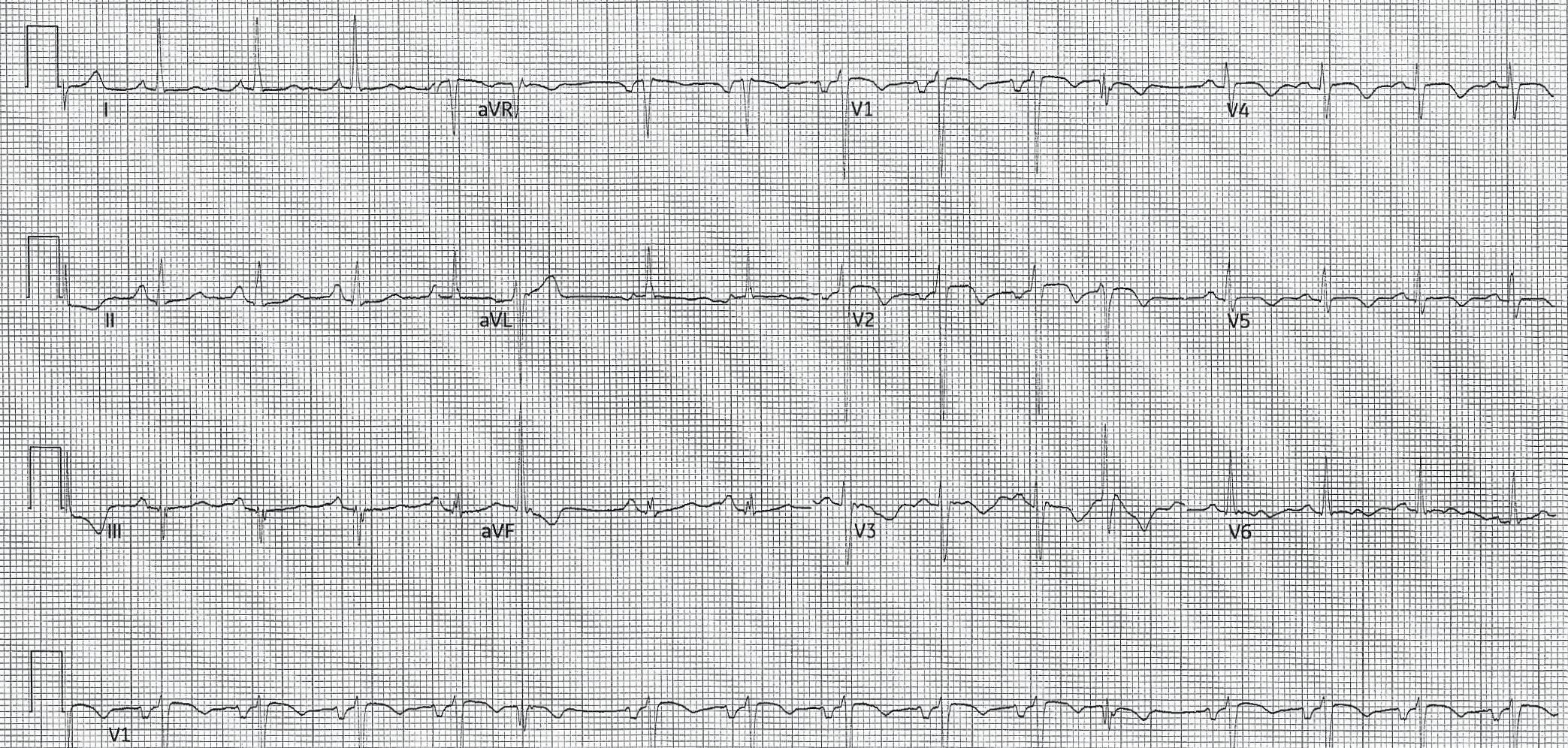
The latest case report from Brady Pregerson, MD, features a man in his mid-60’s with hypertension and diabetes presenting to the hospital for alcohol withdrawal, with reports of tachycardia and shortness of breath. Can you determine the correct diagnosis?

An expert panel discusses where bempedoic acid currently fits into the treatment of hypercholesterolemia.
What pharmacists and providers need to know to counsel patients on when discussing the use of prescription or over-the-counter fish oil supplement as treatment for dyslipidemia and hypertriglyceridemia.

Sponsored Content
Having a healthy heart is an important part of disease management for people with narcolepsy who face an increased risk of cardiovascular and metabolic comorbidities.

An analysis of data from the National Inpatient Sample suggests pregnancies conceived by assisted reproductive technology carried a 1.7- and 2.5-fold increase in risk for arrhythmia and acute kidney injury compared to those conceived without ART.

The expanded indication for the CardioMEMS HF System includes patients with NYHA Class II heart failure and elevated levels of natriuretic peptides.

With the field already booming with capability, a Penn Medicine expert discusses her team's research into finding the right tools for the right patients and clinicians.

Severe financial strain was associated with a 61% increase in 180-day mortality risk, compared to patients with no strain.

A pilot trial from Perelman showed patients were far more likely to provide blood pressure levels via text than a standard online patient portal.

More than 1-in-3 patients with T2D and ASCVD in a large cohort were receiving none of the 3 evidence-based therapies associated with significant cardiovascular benefit, including lipid-, blood pressure-, and glucose-lowering pharmacotherapy.

Higher variability of adiposity indices was associated with significantly increased risk of CVD outcomes in standard of care, but not in the intensive lifestyle intervention group.

Merle Myerson, MD, EdD, discusses her perspective on the themes of cardiology in 2021 and offers a prediction of what she believes could end up being the theme of 2022.

A retrospective cohort study suggests users of DOACs were at a 16% lower risk of developing macrovascular complications, a 21% lower risk of microvascular complications, and a 22% lower risk of mortality compared with warfarin users among a population of patients with diabetes and atrial fibrillation.

Data show fewer than 1 in 20 patients with diabetes and ASCVD were prescribed a high-intensity statin, either an ACEI or ARB, and either an SGLT2I and/or a GLP-1RA.

Findings from REDUCE-IT show icosapent ethyl was projected to be cost-effective compared with standard care in patients with high CV risk despite statin therapy.
Takeaways of the REDUCE-IT trial of icosapent ethyl as treatment for dyslipidemia and hypertriglyceridemia.
An overview of the REDUCE-IT trial of icosapent ethyl for the management of triglycerides and prevention of cardiovascular events.

A new study in JAMA Network Open provides an overview of the cost-effectiveness of icosapent ethyl at multiple prices in high-risk patients with hypertriglyceridemia despite statin therapy.

A pilot trial suggests telemedicine methods need to be tailored to reach adversely affected populations including Black patients on Medicare or Medicaid.

New data provides insight into risk factors that could improve risk stratification of prediction models for cardiovascular disease among patients with chronic kidney disease.

Data show atherosclerotic burden was heterogeneous across LDL-C levels and risk is shown to be consistently associated with plaque burden.
Advertisement
Advertisement
Trending on HCPLive
1
eGFR Underestimates CKD in Patients with Cancer, Study Finds
2
The HCPFive: Top News for Healthcare Providers from the Week of 10/18
3
42% on Povetacicept Reach KDIGO-Aligned UPCR Target in RAINIER
4
Q&A: Looking Beyond Body Surface Area in Atopic Dermatitis Treatment Selection
5