





Cardiology
Latest News
Advertisement
Latest Videos




CME Content






















































Advertisement
More News
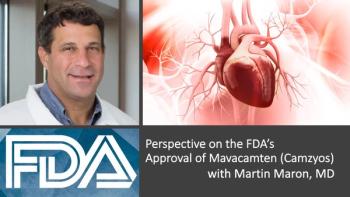
Martin Maron, MD, medical director of the Hypertrophic Cardiomyopathy Center at Lahey Hospital and Medical Center, participates in a Q&A related to the approval of mavacamten for symptomatic obstructive hypertrophic cardiomyopathy.
Dr Amy Pollak and other experts discuss their recommendations for screening for CAD and PAD in asymptomatic patients.
Drs Marc Bonaca and Manesh Patel provide an overview of Polyvascular Disease and prevalence of coronary artery disease and peripheral artery disease.

Bristol Myers Squibb announced the FDA's approval of mavacamten for symptomatic obstructive hypertrophic cardiomyopathy in a press release on April 28.

A systematic review and meta-analysis suggest available evidence demonstrates the addition of coronary artery calcium scores provides incremental gain to traditional cardiovascular risk assessments but this benefit may not outweigh the risks and costs associated with CACS.

The decision to initiate low-dose aspirin use for CVD prevention in adults aged 40 to 59 years with a 10% or greater 10-year CVD risk should be individualized.

Published in JAMA on April 26, the latest recommendation statement from the USPSTF gives a grade C recommendation for use of low-dose aspirin for primary prevention of cardiovascular disease in adults aged 40-59 years who have a 10% or greater 10-year cardiovascular disease risk, concluding it could provide a small net benefit in these patients.

An analysis of the DAPA-HF trial provides insight into the occurrence of eGFR dips in the first 14 days following initiation of therapy with an SGLT2 inhibitor and their association with long-term outcomes.

An analysis of the REWIND trial suggests baseline cognitive impairment was associated with a 1.6 times greater risk of major adverse cardiovascular events among patients with type 2 diabetes.

Data show 15-mg edoxaban dose was superior to placebo in preventing stroke or systemic embolism in all 3 age strata studied, with higher incidence of major bleeding.

The 2022 State of the Air report from the American Lung Association highlights growing disparities in coastal-based ozone and particle pollution, amid wildfires and shifts in regulatory policies.

Analysis of the REWIND trial indicates cognitive impairment among patients with diabetes was associated with a 1.6 times greater risk of major adverse cardiovascular events and a 1.8 times greater risk of stroke or mortality.

Data from an analysis of more than 23,000,000 in Europe provides a comprehensive overview of the risk of myocarditis and pericarditis following COVID-19 vaccination, according to age, sex, and vaccine type.

Individuals in the intervention arm walked a mean of 647 more steps per day compared with the control arm.

Greater adherence to a Mediterranean-style diet was associated with a 22% reduction in odds of developing preeclampsia, with this effect more apparent in Black women, according to a recent study.
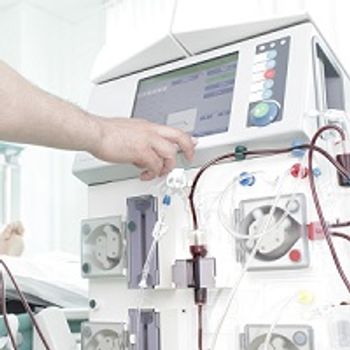
After adjustment for age and sex, data show the reduction in mortality rates in the patients receiving dialysis was greater than the general population.

About 1 in 5 recent novel drug approvals were based on data extrapolated to a broader patient population or in regard to a concomitant drug use, including the controversial aducanumab indication from 2021.

A microsimulation model provides insight into potential years of life expectancy gained by meeting recommended treatment goals for HbA1c, LDL-C, BMI, and blood pressure among adult patients with type 2 diabetes.

Data show 80% of included patients had an increase of more than 20 points in Kansas City Cardiomyopathy Questionnaire summary scores.
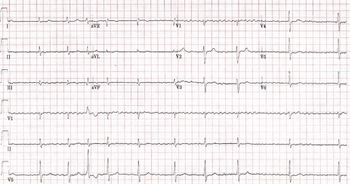
Our latest case report features a man in his mid-80s with hypertension, pleural disease, and AF, presenting with 2 days of chest pain radiating to his upper back. Check out the EKG and see if you can determine the correct diagnosis.

The MOSAIC trial provides insight into the effects of a home-based walking exercise program on walkability of patients with peripheral artery disease.

The latest scientific statement from the American Heart Association is aimed at improving the awareness of NAFLD and its associated cardiovascular risk among clinicians as well as optimizing diagnosis and early treatment strategies for patients with NAFLD.

The higher time at BP target ranged from 64% in the triple pill group to 43% in the usual care group

Non-exposure to aspirin in patients with hypertension at risk of ASCVD was associated with decreased risk of cardiovascular events.

Dr. Gregory Weiss, a cardiovascular anesthesiologist, provides perspective into the American College of Cardiology's recently released guidance related to the long-term consequences of COVID-19, which includes information on myocarditis, return to athletics, and more.
Advertisement
Advertisement
Trending on HCPLive
1
eGFR Underestimates CKD in Patients with Cancer, Study Finds
2
The HCPFive: Top News for Healthcare Providers from the Week of 10/18
3
42% on Povetacicept Reach KDIGO-Aligned UPCR Target in RAINIER
4
Q&A: Looking Beyond Body Surface Area in Atopic Dermatitis Treatment Selection
5