




Cardiology
Latest News
Advertisement
Latest Videos






CME Content






















































Advertisement
More News

Screening and early-life interventions for these patients may prevent cardiometabolic outcomes, according to investigators.
Our endocrine month in review spotlights the most popular articles from the past month. This month's top articles include the approval of tirzepatide, news from AACE & ATTD, and a pair of podcast episodes.

Drs Patel and Bhatt discuss importance of correct dosing of direct oral anticoagulants in treatment of cardiovascular diseases.

Expert cardiologists provide an overview of dual pathway inhibition, modulation of thrombotic risk and treatment of CAD.

Data presented at SCAI 2022 detail trends in PCI during the COVID-19 pandemic. In this column, Dr. Gregory Weiss provides perspective on these trends and what it may mean for cardiologists going forward.

Data show the presence of five and six risk factors increased the risk of VTE exponentially to 10.9% and 25%, respectively

Using 21 years of follow-up data from more than 3000 patients with prediabetes, results of the DPPOS study demonstrate metformin use and lifestyle intervention reduced the risk of progressing to T2D, but did little to reduce the long-term risk of cardiovascular disease in these patients.

Data from an interim analysis of the DIPRA trial suggest distal radial artery access for cardiac catheterization and resulted in no significant differences in hand function compared to proximal radial artery access.

Long-term data from the SAFE-PAD trial at SCAI 2022 underlines the noninferiority of paclitaxel-coated devices versus non-drug-coat devices for use in patients with peripheral artery disease.

An analysis of data from the Fuwai PCI registry details the incidence of adverse events and risk of bleeding associated with clopidogrel monotherapy versus aspirin monotherapy 12 months post-PCI in high-risk patients.
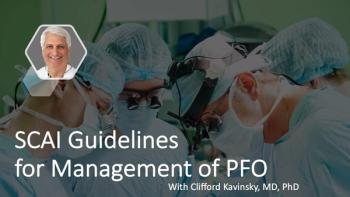
Chair of the SCAI's writing group for their 2022 guidelines on management of patent foramen ovale, Dr. Clifford Kavinsky, sits down with Practical Cardiology to take part in a Q&A on the guideline's recommendations and the writing process for the SCAI's first PFO guidance.
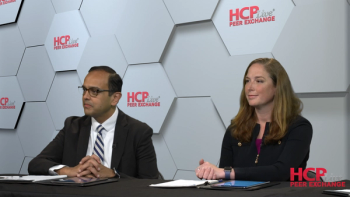
Dr Amy Pollak shares her thoughts on risk-benefit analysis when evaluating patients with high thrombotic/bleeding risk and treatment selection.

Dr Eric Secemsky discusses how use of stents has evolved over the years in treatment of polyvascular disease.

New data suggest pediatric patients with a history of cardiac arrest are highly susceptible to hospitalization if infected with SARS-CoV-2.

A study from SCAI 2022 details the rate and safety of percutaneous coronary intervention among patients with active cancer and thrombocytopenia in the US from 2016-2018.

Diabetic ketoacidosis increased the likelihood of in-hospital mortality by 61%, the likelihood of major adverse cardiovascular events by 56%, and a likelihood of 30-day readmission by 12% among patients hospitalized with heart failure in the US.

Both exogenous hyperthyroidism and exogenous hypothyroidism were associated with increased risk of cardiovascular mortality.

This model was responsible for correctly identifying 73% of patients with pulmonary arterial hypertension 6 months prior to a confirmed diagnosis.

The media campaign to improve aspirin use included billboards, radio ads and print articles, in addition to a dedicated website.

A Massachusetts General Hospital investigator explains how the innovative DCD practice addresses both waitlist issues and transplant center's capabilities.
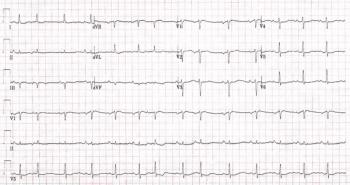
Our latest cardiology case report features a woman in her mid-70s with a history of hypertension presenting to the hospital with intermittent palpitations as well as worsening bedsores. Check out the EKG and determine the correct diagnosis!

Metabolomic analyses of data from more than 200 women from a team of European investigators detail the impact of hormonal shifts associated with the transition to menopause on cardiovascular risk.

The new drug-eluding stent can provide more flexible width size for patients with the potentially deadly disease.

Announced on May 13, the Onyx Frontier DES carries the same clinical indications as Medtronic's Resolute Onyx DES and will be available in 2.0 mm sizes as well as 4.50-5.00 mm sizes that can be expanded to 6.00 mm.
Dr Manesh Patel and other experts discuss the role of dual antiplatelet therapy (DAPT) in treatment of coronary artery disease.
Advertisement
Advertisement
Trending on HCPLive
1
eGFR Underestimates CKD in Patients with Cancer, Study Finds
2
The HCPFive: Top News for Healthcare Providers from the Week of 10/18
3
42% on Povetacicept Reach KDIGO-Aligned UPCR Target in RAINIER
4
Q&A: Looking Beyond Body Surface Area in Atopic Dermatitis Treatment Selection
5