




Cardiology
Latest News
Advertisement
Latest Videos







CME Content






















































Advertisement
More News

An analysis suggests reducing the mean daily sodium intake from 11 grams to 10 grams per day could reduce blood pressure and contribute to reductions in risk of cardiovascular and stroke events.

Results of the HOME BP study suggest a linked smartphone application combined with standard blood pressure monitoring did not result in superior blood pressure reductions than a standard approach.

A presentation by Christine Schumacher, PharmD, and Elizabeth Van Dril, PharmD, at ADCES examines the current state of heart failure management in patients with diabetes.
On August 11, the American College of Chest Physicians (CHEST) released 44 new evidence-based recommendations in their new guidelines for perioperative management of antithrombotic therapy, which were published with the intention of replacing the 2012 guidelines on the subject.

A systematic review and meta-analysis provide an overview of the potential improvements in cardiometabolic health profile, including changes in HDL-C, LDL-C, and triglycerides, observed after patients with obstructive sleep apnea have undergone soft-tissue surgery.

A systematic review and meta-analysis from SSaSS investigators provide further insight into the reductions in blood pressure observed with use of a salt substitute, as well as the impact of use on overall risk of mortality and mortality from cardiovascular-specific causes.

The agency has taken new action against Juul while experts worry about youth addiction and health impacts. But the e-cigarette market has been already well established in the US.

Called the DiaBeats algorithm, new research suggests leveraging the machine learning-based algorithm, combined with ECG recordings, could help predict increased risk of developing prediabetes and type 2 diabetes.

New research suggests there was a 53% greater 5-year risk of cardiovascular disease in men with type 2 diabetes who received a GnRH agonist for prostate cancer compared with their counterparts who did not receive GnRH agonists.
An analysis of patient data from the Chronic Renal Insufficiency Cohort Study suggests increased levels of serum aldosterone were associated with an increased risk of chronic kidney disease progression.

Early time-restricted eating was more effective for losing weight than eating over a window of ≥12 hours, but did not affect body fat.

Peter Toth, MD, PhD, sits down for a Q&A related to updates from the ASPC 2022 meeting and trends topics in preventive cardiology, including aspirin use and blood pressure management.
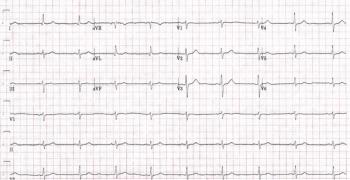
Our latest case report from Brady Pregerson, MD, features a patient in their mid-70s presenting to the hospital with chest pain since 2 AM that became constant at 5 AM and made him vomit. Check out the EKG and determine the correct diagnosis!

All 6 screening strategies using wrist-worn wearable devices were estimated to be more effective than no screening.

The combined exposure to lower CETP and PCSK9 concentrations was associated with an additive magnitude with lipids and all outcomes.

Mean age of hypertension diagnosis was 4 - 5 years earlier among Black and Hispanic adults vs White adults between 2011 and 2020.
Already approved by the FDA for the treatment of the polyneuropathy of hATTR amyloidosis, the August 3rd announcement of APOLLO-B results from Alnylam Pharmaceuticals suggests patisiran (ONPATTRO) could be a safe and efficacious treatment option for patients with ATTR amyloidosis with cardiomyopathy.

In his most recent column, Dr. Gregory Weiss provides perspective on a recent Icahn School of Medicine-led study examining the impact of environmental exposures on risk of cardiovascular disease.

A study of more than 60,000 patients with gout provides insight into the apparent increase in risk of cardiovascular events observed in the months immediately following a gout flare.

Dapagliflozin consistently reduced the risk of CV death or HHF, HHF alone, and progression of kidney disease regardless of background use of CV medications, investigators say.

The age-adjusted mortality rates for heart failure in young adults increased from 2.36 in 1999 to 3.16 in 2019.

An analysis of data from a pair of major studies provides insight into the use of a traditional 30-year risk score against a polygenic risk score for predicting coronary heart disease based on risk score across multiple age groups

At the 2022 ASPC annual meeting, Dr. Gluckman highlights the overall impact of the economic cost of cardiovascular disease and the role of prevention.

Dr. Kushner discusses obesity as a risk factor for CVD and how preventive cardiologists can better target weight management to support patient health.

An analysis of EHR data provides insight into the apparent increase in risk of developing cardiovascular disease or diabetes in the weeks immediately proceeding a COVID-19 infection.
Advertisement
Advertisement
Trending on HCPLive
1
eGFR Underestimates CKD in Patients with Cancer, Study Finds
2
The HCPFive: Top News for Healthcare Providers from the Week of 10/18
3
42% on Povetacicept Reach KDIGO-Aligned UPCR Target in RAINIER
4
Q&A: Looking Beyond Body Surface Area in Atopic Dermatitis Treatment Selection
5