




Cardiology
Latest News
Advertisement
Latest Videos






CME Content






















































Advertisement
More News

Negative perceptions of cardiology and a shift in preferences among internal medicine residents could be driving potential fellows away from careers in cardiology, according to a new study.


Released on December 12, the ACC's "Global Burden of Cardiovascular Diseases and Risks Collaboration" report provides an overview of trends in cardiovascular disease from 21 distinct regions defined by location and income level.

The advisory committee voted 3-8 against the benefit-risk profile of omecamtiv mecarbil for heart failure with reduced ejection fraction.

Beginning January 1, 2023, all new content and insights from the editorial teams of Practical Cardiology, Endocrinology Network and Rheumatology Network will be hosted on HCPLive.Com.

Published on December 12, the American Heart Association's scientific statement on diagnosis and management of acute coronary syndromes in older adults provides a review of several important topics including physiological changes, the influence of common geriatric syndromes, and age-appropriate and guideline-concordant recommendations for this patient population.

Drs Erin Michos, Pam Taub, Robert Busch, Alison Bailey, and Jorge Plutzky offer key takeaways in the management of hypercholesterolemia and ASCVD.

An expert panel discusses challenges and provides solutions to managing patients with hypercholesterolemia.
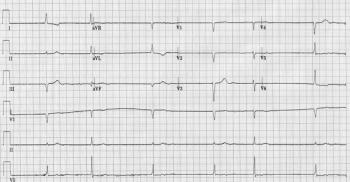
Our latest case report features a woman in her mid-70s presenting to the hospital with lightheadedness that came on gradually during brunch. Check out the ECG and determine the correct diagnosis!

They also found no statistically significant associations found for specific cardiovascular outcomes in relation to cardiac arrest or arrhythmias, cerebrovascular diseases, or myocardial infarction.
Our panel highlights the importance of a team-based approach to care in the management of hypercholesterolemia.
Erin D. Michos, MHS, FACC, FASPC; Pam Taub, MD, FACC, FASPC; Robert Busch, MD; Alison Bailey, MD, FACC; and Jorge Plutzky, MD; provide an overview of upcoming treatment options for managing hypercholesterolemia.

Gregory Weiss, MD, provides insight into his perspective on the evolving recognition of the role of sleep health in cardiovascular disease prevention.

A cluster randomized trial from Penn Medicine's Nudge Unit provides insight into the effects of "nudges" in primary care settings for improving the prescription of statins.

Leveraging data from the DASH trial, investigators from Beth Israel Deaconess Medical Center provides insight into the impact of different dietary approaches on 10-year ASCVD risk score among patients within the trial.

An analysis of data from patients admitted to emergency departments from 7 hospitals in Sweden provide insight into the potential of blood glucose at admission for use as a biomarker to predict all-cause mortality and cardiovascular risk in patients without a history of diabetes.

An analysis of self-reported dietary information from UK Biobank participants is providing insight into the effects of reducing added salt to foods on cardiovascular disease risk among adults without a history cardiovascular disease.
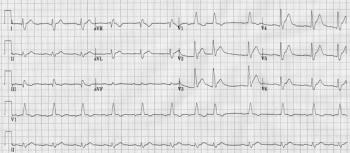
This case report features a patient in their mid-70s with a history of hypertension is brought in with chest pain radiating to both shoulders along with nausea and mild shortness of breath. Check out the full case report and determine the correct diagnosis!

An analysis of more than 800k women in Canada provides insight into the apparent increase in risk of incident cardiovascular disease associated with co-occurrence of gestational diabetes and gestational hypertensive disorders in pregnant women.
Erin D. Michos, MHS, FACC, FASPC; Pam Taub, MD, FACC, FASPC; Robert Busch, MD; Alison Bailey, MD, FACC; and Jorge Plutzky, MD; share benefits of combination therapy for lipid lowering in ASCVD and hypercholesterolemia.
A panel of experts discusses recommendations for managing statin intolerance in patients with hypercholesterolemia.

An analysis of data from 2010-2019 collected from 10 countries suggests influenza activity is responsible for 299k ischemic heart disease deaths per year on a global level.
Pam Taub, MD, FACC, FASPC, shares her thoughts on use of coronary artery calcium (CAC) scores when treating patients with nonstatin therapies.
Drs Erin Michos, Pam Taub, Robert Busch, Alison Bailey, and Jorge Plutzky review guidelines and recommendations for using lipid-lowering agents in addition to statins.

Announced in a statement on November 17, the US FDA issued letters to 7 companies related to unsupported claims of supplements being able to cure, treat, mitigate or prevent cardiovascular disease or related conditions, such as atherosclerosis, stroke or heart failure, in violation of the Federal Food, Drug, and Cosmetic Act.
Advertisement
Advertisement
Trending on HCPLive
1
eGFR Underestimates CKD in Patients with Cancer, Study Finds
2
The HCPFive: Top News for Healthcare Providers from the Week of 10/18
3
42% on Povetacicept Reach KDIGO-Aligned UPCR Target in RAINIER
4
Q&A: Looking Beyond Body Surface Area in Atopic Dermatitis Treatment Selection
5