



Cardiology
Latest News
Advertisement
Latest Videos



CME Content






















































Advertisement
More News

In a cohort of consecutive HFrEF patients admitted with AHF, the findings suggest almost three-quarters of patients were eligible for combined quadruple therapy.
The 2022 updated guidelines includes 13 recommendations and 52 practice points for clinicians caring for patients with diabetes and chronic kidney disease.
An analysis of NHANES data from 1999-2018 details the progress made with regard to cholesterol management on a population level but also provides insight into areas where room for improvement still exists.
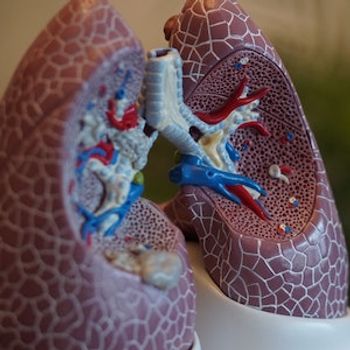
A simulation study including both cardiologists and pulmonologists found providers failed to properly diagnose pulmonary hypertension more than 50% of the time.

At 12 months of the CAPLA trial, the addition of posterior wall isolation to pulmonary vein isolation led to no significant improvements in freedom from atrial arrhythmia.

A secondary analysis of a cluster RCT indicated the Texas Sprouts intervention led to improvements in glucose control and reduced LDL-C in high-risk schoolchildren.
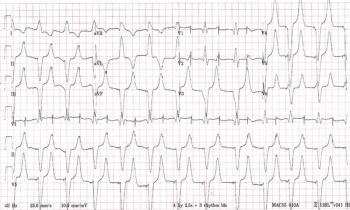
In this case report, a man in his 50s with a history of ESRD, alcoholic cirrhosis, and anemia presents to the emergency department for evaluation of generalized weakness after missing his last 2 dialysis appointments. Check out the ECG and determine the most likely cause of the rhythm!

Applying a statistical model to estimate the effects of reducing sodium intake at a population level in Australia, investigators suggest adherence to World Health Organization benchmarks could prevent 6900 deaths from CVD, CKD, and stomach cancers annually.

Using data from 2 large prospective studies, a Harvard-led team estimates the impact of adherence to a group of healthy eating patterns on risk of all-cause and cause-specific mortality.

The COACH trial reported a hospital-based strategy led to lower risk of death from any cause or hospitalization for cardiovascular causes within 30 days than usual care in patients with acute heart failure.

Patients with AF experienced worse 90-day outcomes than those without AF, even with comparable, successful reperfusion outcomes.

Data from a 2019 survey of more than 5000 cardiologists across the globe suggests 28% of the field may be experiencing some form of mental health condition, with results also shedding light on predictors of mental health conditions.
Using data from more than 55,000 people with diabetes using metformin is providing new insight into the apparent reductions in risk of negative cardiovascular and renal outcomes as well as all-cause mortality with use of SGLT2 inhibitors.


Ulcerative colitis was considered an independent risk factor, while Crohn’s disease and unclassified inflammatory bowel disease were not.
Using real-world data from the US, Japan, and Sweden provides insight into contemporary trends in GDMT use, including initiation, uptitration, and discontinuation, following hospitalization among patients with heart failure with reduced ejection fraction.

Michael J. Ackerman, MD, PhD, discusses the simplicity and availability of education around CPR and defibrillator use, and the role of clinicians in raising public health preparedness.

A Mayo Clinic cardiologist discusses the national variability in CPR and AED access, and the actions that saved Hamlin's life during Monday Night Football.

Jesse Morse, MD, a sports medicine specialist, discusses commotio cordis and how to effectively communicate with athletes and parents of young athletes about the diagnosis in the wake of an incident where a player collapsed during a recent NFL game.
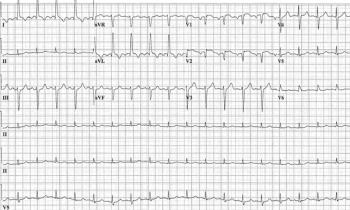
This cardiology case report from Brady Pregerson, MD, features a patient in their early 70s presenting to the hospital with reports of shortness of breath, palpitations, and chest pain. Can you determine the correct diagnosis?

To celebrate the end of 2022 and the advances witnessed in the past year, our editorial team has created a list of the 5 most popular pieces of content related to endocrinology from 2022.
From a topical gene therapy to a debated heart failure option, a litany of unique agents are anticipated for FDA decision in the new year.

Our editorial team is celebrating the end of 2022 by recapping our most popular content from the 3 largest cardiology meetings from the past year.

With less than a week to go until the close of 2022, our editorial team is celebrating the final week of the year by recapping some of our most popular stories and content from the past year. Here, we are highlighting our most popular episodes of the Don’t Miss a Beat Podcast from 2022.

For the final week of the year, our editorial team is recapping our the most talked about phase 3 trial news, approvals, and CRLs related to cardiometabolic health in 2022, including empagliflozin, bempedoic acid, mavacamten, and more!
Advertisement
Advertisement
Trending on HCPLive
1
eGFR Underestimates CKD in Patients with Cancer, Study Finds
2
The HCPFive: Top News for Healthcare Providers from the Week of 10/18
3
42% on Povetacicept Reach KDIGO-Aligned UPCR Target in RAINIER
4
Q&A: Looking Beyond Body Surface Area in Atopic Dermatitis Treatment Selection
5