




Cardiology
Latest News
Advertisement
Latest Videos

CME Content






















































Advertisement
More News

With ACC 2023 in the rearview, the HCPLive editorial team compiled perspectives on the meeting’s top piece of news from half a dozen clinicians specializing in various subspecialties across the spectrum of cardiovascular care.
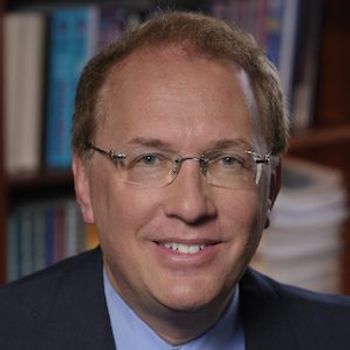
Gregg W. Stone, MD, discussed the 5-year findings of the COAPT trial and provided insight into the benefit of the transcatheter procedure in high-risk patients with heart failure.

At ACC 2023, Hoeper provides insight into the key efficacy findings of STELLAR and delves into the safety concerns and generalizability of sotatercept for PAH.
An analysis of the PROMINENT, REDUCE-IT, and STRENGTH trials provides insight into the atherosclerotic cardiovascular risk associated with high-sensitivity C-reactive protein.

In an interview at ACC 2023, Safia Chatur, MD provided insight into the analysis of the PARADIGM-HF and PARAGON-HF trials, suggesting early eGFR changes should not deter continuation of sacubitril/valsartan.

Deepak Bhatt, MD, MPH, discusses results of the phase 2 ENTRIGUE trial and how it informs clinicians on the effects of the human FGF21 analogue in patients with severe hypertriglyceridemia.

New research from a phase 2b trial presented at ACC 2023 suggests an oral PCSK9 inhibitor could help reduce LDL-C by 60% in patients with or at-risk for atherosclerotic cardiovascular disease.
Hear from Deepak Bhatt, MD, MPH, as he discusses how he interprets the results of the HALO trial and offers perspective on the forthcoming research related to baxdrostat.

At ACC 2023, results from the RAPID-HF trial reported atrial pacing was ineffective at improving exercise capacity in patients with HFpEF and chronotropic incompetence.

Results from the phase 3 A DUE study suggest a combination of macitentan and tadalafil nearly doubled reductions in pulmonary vascular resistance in patients with PAH.

Data from cohort 4 in REDWOOD-HCM provides the first insight into the effects of aficamten in a cohort of patients with non-obstructive hypertrophic cardiomyopathy.

STELLAR: Sotatercept Improves Function, Alleviates Disease Burden in Pulmonary Arterial Hypertension
Data from the phase 3 STELLAR trial indicate adding sotatercept to background therapy in PAH was associated with statistically significant improvements in 6-minute walk distance and 8 of the trial's 9 secondary endpoints, including time to death or clinical worsening.
In an interview at ACC 2023, Ankeet Bhatt, MD, describes how virtual care team represents an effective and scalable approach to improve therapeutic optimization across a health system.
Data from COORDINATE-Diabetes presented at ACC 2023 demonstrate the impact of a multifaceted, coordinated care approach on improving prescription rates of statins, ACEs/ARBs, and glucose-lowering medications among people with type 2 diabetes.

In an interview at ACC 2023, Harrington elaborated on the upcoming phase 3 Librexia clinical trial program studying the Factor XIa inhibitor for the prevention of thrombotic events.

At ACC 2023, HCPLive editorial team sat down with Clyde Yancy, MD, to learn more about his perspective on recent and upcoming advances in cardiovascular care. In this interview, Yancy discusses his perspective on the clinical trial data surrounding renal denervation as a treatment for hypertension.

An interview with Dr. Annapoorna S. Kini at ACC 2023 breaks down the findings on the effect of evolocumab on coronary plaque characteristics in stable CAD from the YELLOW III study.

Steve Nissen, MD, sits down for an interview to discuss the clinical takeaways, design intricacies, safety signals, and more from the CLEAR Outcomes trial.
Implantation of a pacemaker to enhance exercise heart rate did not improve exercise capacity, symptoms, or exercise cardiac output in patients with HFpEF and chronotropic incompetence in the RAPID-HF trial.
Hosts are joined by Tor Biering-Sørenson, MD, MSc, MPH, PhD, to discuss the NUDGE FLU trial and how the lessons learned can inform implementation strategies for various other types of therapies.

In the largest implementation trial ever conducted, new research from the NUDGE FLU trial suggests informing patients of the potential cardiovascular benefits associated with receipt of the flu vaccine could increase uptake among older adults.

In patients with acute coronary syndrome and multi-vessel heart disease, immediate stent treatment was as safe and effective as staged treatment at one year, according to late-breaking data presented at ACC 2023.

In a Q&A at ACC 2023, Drs. Alexandra Murphy and Birgit Vogel of Mount Sinai discuss sex-specific predictors of MACE and the need for individualization of care to achieve equity in cardiovascular health.
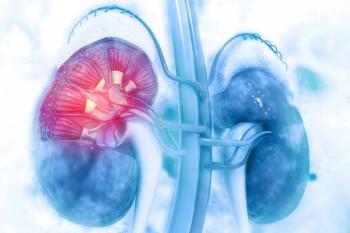
At ACC.23, our editorial team sat down with a pair of leaders in cardiometabolic health to get their perspective on the growing intersectionality of cardiovascular and chronic kidney disease and how patients have been the beneficiaries of this growing recognition.

Results from the STOP-CA trial suggest patients taking atorvastatin for one year were significantly less likely to show evidence of heart dysfunction than those who took a placebo.
Advertisement
Advertisement
Trending on HCPLive
1
eGFR Underestimates CKD in Patients with Cancer, Study Finds
2
The HCPFive: Top News for Healthcare Providers from the Week of 10/18
3
42% on Povetacicept Reach KDIGO-Aligned UPCR Target in RAINIER
4
Q&A: Looking Beyond Body Surface Area in Atopic Dermatitis Treatment Selection
5