






Cardiology
Latest News
Advertisement
Latest Videos


CME Content






















































Advertisement
More News

A new analysis suggests the receipt of self-reported heart health counseling at a postpartum visit was stable or slightly declined from 2016 to 2020, despite increases in CVD risk factors.

A meta-analysis of 20 studies suggests a vegetarian diet was associated with significant reductions in LDL-C, HbA1c, and body weight in individuals at high risk of CVDs.

Data from a phase 1, first-in-human trial of NI006 suggests the agent could have a potential role in the management of transthyretin amyloid cardiomyopathy.

A cross-sectional analysis suggests disparities in statin use for several race–ethnicity–gender groups were not explained by ASCVD severity or structural factors, including socioeconomic status and health insurance.

Days with a combination of a heat wave and high fine particulate matter air pollution may double the risk of a fatal heart attack, says new research.

A multipart, phase 1 trial provides evidence demonstrating the safety of zilebesiran, an RNA interference agent, which appeared to have a favorable safety profile among adult patients with hypertension.

New data presented at the 12th International AIDS Society Conference on HIV Science suggests use of statin therapy in a primary prevention cohort of patients with HIV on antiretroviral therapy was associated with a 35% reduction in risk of cardiovascular events.

A new analysis suggests Black patients with NICM and an ICD had a high risk and burden of arrhythmia, with a lower survival rate, compared with White patients.

A new analysis from the American Heart Association found present-day heart failure risk was higher among Black adults who lived in areas historically impacted by redlining.

Physical activity concentrated within a 1- to 2-day span was associated with a similarly lower risk of cardiovascular outcomes to more evenly distributed activity.

The American Heart Association has released a new scientific statement on the current science on the health effects of e-cigarette use and calls for more studies regarding their long-term impact.

Reaffirming their 2016 recommendation, the USPSTF concluded current evidence was insufficient to assess the balance of benefits and harms of screening for lipid disorders in children and adolescents in their latest recommendation statement.

An analysis of patient data from the greater Houston area suggests women were less likely to be routed to a comprehensive stroke center than their male counterparts, despite a greater symptom severity and comparable distance to the centers.

Announced on July 17, 30-month data from the ATTRibute-CM trial provide the most comprehensive insight yet into the long-term effects of acoramidis use in patients with transthyretin amyloid cardiomyopathy.

A randomized trial of patients with kidney failure undergoing hemodialysis is underlining the importance of physical activity among this patient population.

Study Finds Prescribing Fruits and Vegetables Could Reduce Future Healthcare Spending by $40 Billion
A microsimulation model leveraging data from NHANES suggests monthly prescriptions of fruits and vegetables to people with diabetes and food insecurity could prevent nearly 300,000 cardiovascular disease events over a 25-year period.

Crisis Point returns with an episode on cardiometabolic health disparities, as 3 experts unravel the scope of the crisis, from its historical basis to ongoing social determinants of health in the modern age.

Using data from more than 8500 patients from a bioimaging study, investigators took a deep dive into potential associations between gut microbiome and subclinical atherosclerosis in adults without a history of cardiovascular disease

Expansions in access by the Centers of Medicare and Medicaid Services could bring the latest advances in continuous glucose monitoring into the hands of millions with diabetes, which could provide significant, population-level impact and bring the field a step closer to equitable diabetes management.
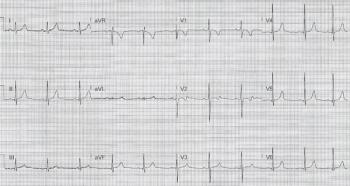
Our latest case report from Brady Pregerson, MD, features an elementary-school-aged boy brought to the emergency department by his mother for chest pain. Check out the ECG and determine the correct diagnosis!
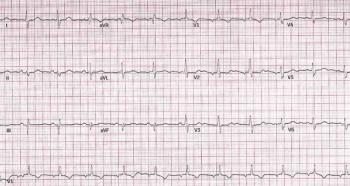
This cardiology case report from Brady Pregerson, MD, features a man in his late 80s presenting to urgent care with multiple episodes of near syncope in the past 3 days. Check out the ECG and determine the correct diagnosis!

After adjusting for potential confounding factors, patients with microvascular diseases, particularly diabetic retinopathy, and diabetic kidney disease, were found to have a greater possibility of left ventricular hypertrophy.
Our June 2023 cardiology month in review includes 3 FDA approvals, a primary prevention subgroup analysis of CLEAR Outcomes, and a meta-analysis of 13 major trials examining SGLT2 inhibitor use.

An analysis of a primary prevention subgroup within the CLEAR Outcomes trial presented at ADA 2023 suggests use of bempedoic acid was associated with a 30% relative risk reduction for MACE among this patient population.

A meta-analysis of 13 trials suggests SGLT2 inhibitors reduced heart failure events and cardiovascular death across these patient populations, with consistent effects in patients with varying disease combinations.
Advertisement
Advertisement
Trending on HCPLive
1
eGFR Underestimates CKD in Patients with Cancer, Study Finds
2
The HCPFive: Top News for Healthcare Providers from the Week of 10/18
3
42% on Povetacicept Reach KDIGO-Aligned UPCR Target in RAINIER
4
Tegoprubart Improves Quality of Life vs Tacrolimus After Kidney Transplant
5