




Cardiology
Latest News
Advertisement
Latest Videos




CME Content






















































Advertisement
More News
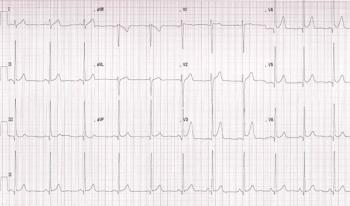
This case report from Brady Pregerson, MD, features a man in his early-30s with chest pain, dizziness, and shortness of breath. Check out the ECG and determine the correct diagnosis!

On September 7, 2023, Alnylam Pharmaceuticals announced positive topline data from the phase 2 KARDIA-1 trial of zilbesiran in the treatment of hypertension.

A panel of cardiologists discuss the key updates from the 2022 ACC Expert Consensus Decision Pathway on the role of nonstatin therapies for LDL-C lowering in the management of atherosclerotic cardiovascular disease risk.
Expert cardiologists discuss the various lines of evidence that have shown a causative effect of LDL-C in the development of atherosclerosis.
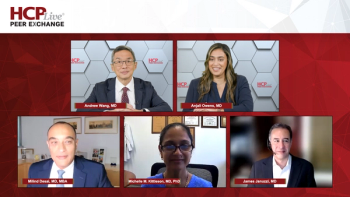
Expert cardiologists share approaches to the challenges that come with septal reduction therapy, as well as access to oHCM treatment.
Andrew Wang, MD, comments on the treatment algorithm for symptomatic oHCM, highlighting treatment guidelines, and James Januzzi, MD, reviews treatment selection for oHCM through the lens of the patient’s quality of life.

An analysis of CDC data from 1999 to 2020 offers clinicians a snapshot of overall, and race-specific, trends in obesity-related cardiovascular disease deaths since the turn of the century.
In the latest episode of Lungcast, the diagnosis, classifciation and treatment of PE—namely blood clots—is comprehensively dissected by the Lewis Katz School of Medicine clinician and investigator.
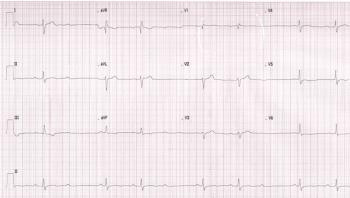
This case report from Brady Pregerson, MD,

The CASTLE-HTx trial provides insight into the effects of catheter ablation in patients with AFib and end-stage heart failure, with potentially practice-changing implications.

Data from a phase 1 trial in healthy adults indicates muvalaplin, an oral agent, could find a role in lowering Lp(a).
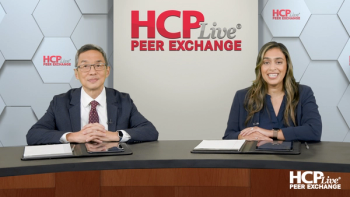
Expert cardiologists discuss treating patients with symptomatic vs asymptomatic oHCM.
Milind Desai, MD, MBA, leads a discussion on the importance of accurate imaging in oHCM and aortic stenosis, highlighting the echocardiogram and doppler tests.

A prespecified analysis of the CLEAR Outcomes trial assessing outcomes according to glycemic status suggests bempedoic acid provided similar relative benefits across the glycemic spectrum, but the greatest absolute benefits were observed in patients with diabetes.
In this special edition episode, hosts break down what the announcement of the 10 drugs selected for Medicare price negotiations under the Inflation Reduction Act means for providers and people with diabetes.

A trio of studies and new guidelines presented at the ESC Congress 2023 highlight advancement in the management of hypertrophic cardiomyopathy, particularly with use of mavacamten.

ORION-8 results showed the change in LDL-C from baseline in the 3-year open-label extension was similar to the change observed during 18 months of placebo-controlled comparison.
Results of the 56-week VALOR-HCM trial provide new insight into the effects of mavacamten in patients with highly symptomatic obstructive hypertrophic cardiomyopathy referred for septal reduction therapy.

Results of the FRAIL-AF trial at ESC Congress 2023 provide clinicians with further clarity into the effects of switching from vitamin K antagonists to NOACs in older patients with frailty and atrial fibrillation.
Less than 2 weeks after the release of their SELECT reaction podcast, hosts Diana Isaacs, PharmD, and Natalie Bellini, DNP, sit down for a special edition episode of Diabetes Dialogue to discuss STEP-HFpEF data and the implications for semaglutide 2.4 mg.

With BridgeBio Pharma Inc. expecting to complete a regulatory submission prior to the close of 2023, the 30-month results of ATTRibute-CM provide the most comprehensive overview yet of the benefit-risk profile for acoramidis in ATTR-CM.

Javed Butler, MD, discusses the overall results of the STEP-HFpEF trial, how he interprets the reduction in adjudicated heart failure events, and how the community's recent experience with SGLT2 inhibitors might inform uptake strategies for semaglutide 2.4 mg.

A secondary analysis of the DELIVER trial found dapagliflozin significantly reduced the full spectrum of worsening heart failure events, including outpatient oral diuretic intensification.

The largest trial to date, a meta-analysis, and new guideline recommendations have placed a spotlight on the role and benefit of iron supplementation in patients with heart failure and iron deficiency at ESC Congress 2023.

Citing more than half a dozen major trials in the 2 years since the release of their 2021 heart failure guidelines, the European Society of Cardiology has released a focused update to their heart failure guidance.
Advertisement
Advertisement
Trending on HCPLive
1
eGFR Underestimates CKD in Patients with Cancer, Study Finds
2
The HCPFive: Top News for Healthcare Providers from the Week of 10/18
3
42% on Povetacicept Reach KDIGO-Aligned UPCR Target in RAINIER
4
Tegoprubart Improves Quality of Life vs Tacrolimus After Kidney Transplant
5