





Cardiology
Latest News
Advertisement
Latest Videos




CME Content






















































Advertisement
More News

Study presented at ISC 2024 suggests Black women with hypertension before age 35 face a 3-fold increase in risk of stroke while hypertension before 45 linked to doubling in stroke risk.

Even when cholesterol levels were only moderately elevated, familial hypercholesterolemia variants were associated with greater cardiovascular risk.

This endocrinology month in review spotlights FDA news, a pair of studies examining cardiovascular and renal risk reduction in type 2 diabetes, results from a subtrial examining testosterone’s effect on fracture risk, and 4 new episodes of diabetes dialgoue

A recent analysis found risk factors linked to an embolism after VTE included Black race, interstitial fibrosis, advanced-stage disease, and increased operative duration.

In this feature, we acknowledge the impact of the 1964 Surgeon General report, its subsequent effect on public health, and present-day hurdles to optimized public health efforts through the eyes of our editorial advisory board members and other leading experts.

Across two large, diverse cohorts, TET2 CHIP was associated with a more than 2-fold higher risk of incident HF with preserved ejection fraction.

A recent statewide analysis in California found TAVR rates exceed SAVR for severe aortic stenosis, despite contradicting consensus guideline recommendations.
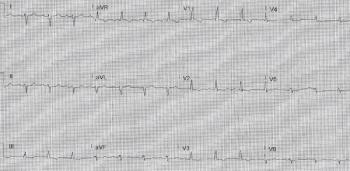
This cardiology case report from Brady Pregerson, MD, features a woman in her 50s presenting with 3 days of body swelling and dyspnea. Check out the EKG and see if you can determine the correct diagnosis!

A real-world analysis in the United States suggests hospital volume may not be the lone predictor of outcomes in pediatric cardiac surgery.

In recognition of 60 years since the historic contribution to modern understanding of the harmful effects of cigarette smoking, Albert Rizzo, MD, meets with the preventive cardiology expert to discuss the myriad of cascading effects delivered by the 1964 report.

In a 10-year follow-up study with over 1 million patients, multi-arterial grafting demonstrated superior long-term survival compared to single arterial grafting.

International Study ID's 13-Biomarker Panel for Predicting Cardiovascular Disease in Type 2 Diabetes
A systematic review of over 400 studies in type 2 diabetes reveals 13 biomarkers, including NT-proBNP and troponin-t, with potential to significantly enhance cardiovascular disease risk prediction.

A new study found the periodic limb movement index, but not the apnea-hypopnea index, was linked to an increased risk of incident cardiovascular disease or death every 10 events per hour.

A new study found behavioral activation therapy is just as effective as antidepressants for treating depressive symptoms in patients with heart failure, with both treatments having a 50% reduction at months 3, 6, and 12.

Compared to the usual care, patients with HFpEF in the active arms demonstrated less improvement in peakVO2 when they had iron deficiency and lower values of ferritin and transferrin saturation, according to a new study.

On January 25, 2024, the day following the proposed PDUFA goal date, Liquidia Corporation announced the FDA was still reviewing the NDA for pulmonary hypertension with interstitial lung disease for treprostinil inhalation powder (Yutrepia).

Addressing isolation and loneliness indexes resulted in a decreased risk of all-cause mortality among individuals with obesity in the UK Biobank.

The American Heart Association's annual report on heart disease and stroke statistics for 2024 sheds new light on the impact and level of public education surrounding the impact of heart disease and stroke in the US and abroad.

Childhood trauma may decrease the likelihood of optimal heart health in adulthood, while stable and nurturing experiences are shown to promote heart health.

Evidence from the Look AHEAD study suggests achieving remission in type 2 diabetes is associated with risk reductions in chronic kidney disease and cardiovascular disease.

In the CLEAR Outcomes trial, bempedoic acid was associated with a 20% reduction in relative risk for total cardiovascular events, with further analysis shining light on the effects of specific types of events.

An analysis of the RAFT trial showed patients with heart failure treated with CRT-D experienced continued survival benefits during a median of nearly 14 years of follow-up.

Prescribing phosphodiesterase type 5 inhibitors and nitrates together may increase the risk of morbidity and mortality for patients over time.
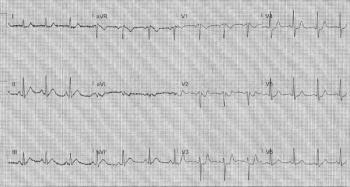
This cardiology case report from Brady Pregerson, MD, features a man in his early 60s with no known medical history presenting with chest pain radiating to both armpits and anterior neck, but not to the back. How would you react?

Dr Taub, Dr Patel, and Dr Kohli look ahead to the future of the management of cardiovascular risk and hyperlipidemia
Advertisement
Advertisement
Trending on HCPLive
1
eGFR Underestimates CKD in Patients with Cancer, Study Finds
2
The HCPFive: Top News for Healthcare Providers from the Week of 10/18
3
Tegoprubart Improves Quality of Life vs Tacrolimus After Kidney Transplant
4
42% on Povetacicept Reach KDIGO-Aligned UPCR Target in RAINIER
5