




Cardiology
Latest News
Advertisement
Latest Videos





CME Content






















































Advertisement
More News
The April 2024 cardiology month in review spotlights FDA news and top updates from the American College of Cardiology 2024 Scientific Session.
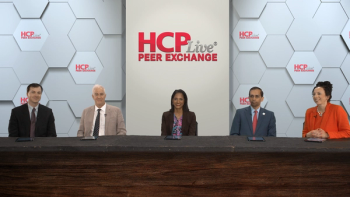
Key opinion leaders in cardiology share insights on reducing LDL cholesterol to manage cardiovascular disease risk, educating patients not reaching goals, and implementing real-world clinical strategies for maintaining lower LDL levels.
Erin Michos, MD, delivers a comprehensive review of lipid management and its influence on cardiovascular disease, emphasizing recent studies that underscore the need for improved treatment strategies for high-risk patients.

Implementation of an artificial intelligence-enabled ECG reduced the risk of all-cause mortality within 90 days among hospitalized patients.

The HCPLive Endocrinology month in review for April 2024 spotlights SURMOUNT-OSA, STEP HFpEF DM, new ACP guidelines for T2D, and more!

Daniel Gaudet, MD, PhD, discusses SHASTA-2 data and what cardiologists could learn from the forthcoming 48-week MUIR trial data from EAS 2024.

Abbott's Esprit BTK System was shown to significantly reduce risk of ischemic events in patients with PAD versus angioplasty over 1 year.

A meta-analysis of 12 trials suggests catheter ablation for atrial fibrillation reduces heart failure events in HFrEF patients but not in HFpEF.
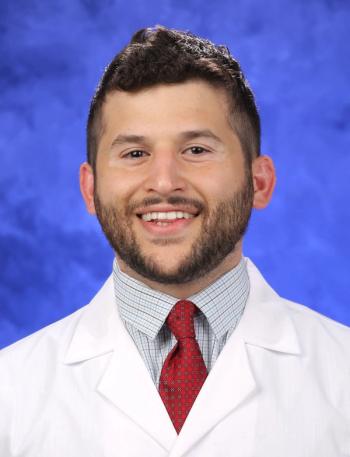
Matthew Nudy, MD, discusses a trio of meta-analyses examining the effects of intensive blood pressure control on various targets.
Balmes discusses the latest annual State of the Air Report, which shows that 131 million Americans are living in areas with failing air quality grades.

Branch provides an overview of the use of dual antiplatelet therapy and anticoagulants based on his session at the ACP Internal Medicine meeting.
Branch discusses key takeaways from his session at ACP and guideline recommendations for primary and secondary prevention of cardiovascular disease.

Berg discusses takeaways from his session at the 2024 ACP Internal Medicine meeting, including considerations for the diagnosis and management of acute coronary syndrome.

The American College of Physicians released new recommendations for the management of type 2 diabetes with inadequate glycemic control using metformin or other first-line therapies.

Meta-analysis of 11 phase 3 trials shows SGLT2 inhibitors reduce cardiovascular event risk by 9% across diverse patient populations.
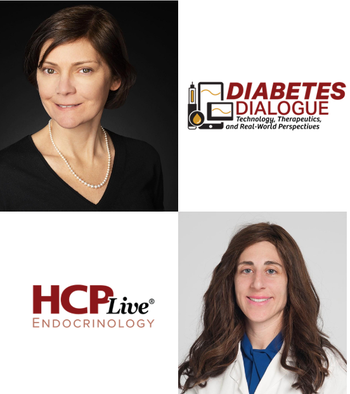
In this episode, hosts discuss the STEP HFpEF DM trial and the need for fair allocation of incretin-based therapies with ongoing shortages and overwhelming demand.

Ersilia DeFillipis, MD, discusses a trio of studies she presented at ACC.24 examining different financial hurdles and barriers encountered by people in need of heart transplants.

An ACC.24 analysis found a decline in TTM use post-2013 TTM trial, which investigators suggest indicates a potential misinterpretation of trial findings.
Counting down the most impactful news at major medical meetings, it’s the HCPLive Five! This edition focuses on 5 updates from the American College of Cardiology 2024 (ACC.24) Annual Scientific Sessions.

A retrospective analysis of EHR data from ACC.24 provides insight into the effects of ARNI relative to ACEi/ARB in patients with newly diagnosed heart failure and an LVEF greater than 40%.

Safia Chatur, MD, discusses the results of a PARADIGM-HF analysis at ACC.24 examining the effects of ARNI use across the updated 2024 KDIGO Risk Classifications.
Ankeet Bhatt, MD, MBA, discusses a NUDGE-FLU analysis from ACC.24 examining effect of the CV gain-framed nudge in patients with and without history of AMI.

Ahmad Masri, MD, MS, discusses a study from ACC.24 examining trends in incidence and outcomes of emergency department visits related to hypertrophic cardiomyopathy from 2006 to 2019.

Sara Saberi, MD, discusses 1-year data from a cohort of 46 patients within the FOREST-HCM trial at ACC.24.

A trio of experts discuss their perspectives on the recent advancement in pharmacotherapy within the management of hypertrophic cardiomyopathy.
Advertisement
Advertisement
Trending on HCPLive
1
eGFR Underestimates CKD in Patients with Cancer, Study Finds
2
Tegoprubart Improves Quality of Life vs Tacrolimus After Kidney Transplant
3
42% on Povetacicept Reach KDIGO-Aligned UPCR Target in RAINIER
4
The HCPFive: Top News for Healthcare Providers from the Week of 10/18
5