




Cardiology
Latest News
Advertisement
Latest Videos



CME Content






















































Advertisement
More News

A new study identified T1D as a risk factor associated with nearly all subtypes of CHD, whereas overweight was associated only with certain defect types.

Dr Kohli gives an overview of the mechanisms of action of non-statin agents for the management of hyperlipidemia.

Expert cardiologists discuss the cumulative burden of an elevated cholesterol over time.
Our cardiology month in review spotlights our most popular cardiology-centric content from the month of December 2023. The list includes topline data from SEQUOIA-HCM, new data on the impact of structural racism on chronic health conditions, and more!

Post hoc analysis of STRONG-HF trial underscores benefits of higher guideline-directed medical therapy doses in acute heart failure, showing lower rates of death or readmission at 6 months with more rapid uptitration.

On December 27, 2023, Cytokinetics announced positive topline results from the phase 3 SEQUOIA-HCM trial evaluating aficamten in patients with symptomatic obstructive hypertrophic cardiomyopathy
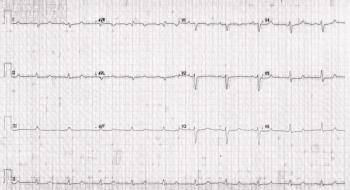
This cardiology case report from Brady Pregerson, MD, features a man in his mid-30s brought by ambulance after 3-4 days of peripheral edema and generalized weakness after a missed dialysis appointment. Can you determine the correct diagnosis?

A new study is raising awareness around the effects of structural racism on the prevalence of chronic health conditions.

Sex-based differences in hypertrophic cardiomyopathy outcomes reveal higher risks for women, including all-cause mortality.

Among adults in middle- to high-income nations, awareness of diabetes as a cardiovascular risk factor remains a persistent issue.
Califf joins HCPLive to share perspective on AI, gene and cell therapy development, COVID-19, food and substance regulation, maternal and infant health, weight loss intervention, and more.
Following years of concerns about the stigmatization and inaccurate etiology of nonalcoholic fatty liver disease nomenclature, 2023 finally saw revised terminology for liver disease with the implementation of metabolic dysfunction-associated steatotic liver disease.

Presented at ASH 2023, findings of a new study showed patients with sickle cell disease and venous thromboembolism have longitudinal worsening of left ventricular diastolic and right-sided cardiac function.

Phase 3 data show patients with obesity who maintained tirzepatide from weeks 36 to 88 continued significant weight loss versus patients switched to placebo.

Findings of a new study suggest COVID-19 does not serve as risk factor for the development of VTE in pediatric cancer patients.
An overview of the journey and significant events of 2023 that have catapulted semaglutide from a type 2 diabetes agent to the topic of discussions among circles across healthcare and beyond.

Our November 2023 month in review for cardiology features highlights from AHA 2023, new atrial fibrillation guidelines, a pair of historic approvals from the FDA, and more!

Released on Nov. 30, 2023, the new AFib guidance from the ACC/AHA contains update recommendations for early and aggressive rhythm control, wearables, left atrial appendage occlusion, and more.

A trial randomizing brain-dead donor hearts to levothyroxine administration or saline has returned results challenging conventional wisdom on the topic, with data indicating thyroid hormone administration may provide no significant benefit.

Medical experts discuss the importance of screening for Lp(a) and ongoing trials targeting this protein. Moreover, other new targets for the treatment of hyperlipidemia are reviewed.
Drs Michos, McGowan, and Kohli discuss Lp(a) and the development of cardiovascular disease.
Drs Kohli and McGowan review recently published long-term efficacy and safety data on the use of a PCSK9-inhibitor.
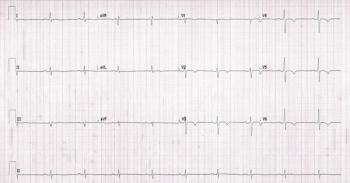
This cardiology case report from Brady Pregerson, MD, features a man in his late 50s presenting with 3 days of episodic chest pain. Can you determine the correct diagnosis?

The FDA has approved the second renal denervation device in the agency's history with the approval of Medtronic's Symplicity Spyral system.
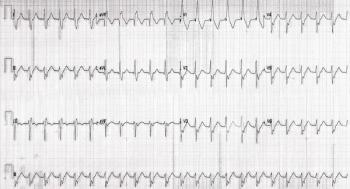
This case report from Brady Pregerson, MD, features a man in his early 70s presenting to the hospital with palpitations for the past 2 hours that started while playing a round of golf. Can you determine the most likely rhythm?
Advertisement
Advertisement
Trending on HCPLive
1
eGFR Underestimates CKD in Patients with Cancer, Study Finds
2
The HCPFive: Top News for Healthcare Providers from the Week of 10/18
3
Tegoprubart Improves Quality of Life vs Tacrolimus After Kidney Transplant
4
42% on Povetacicept Reach KDIGO-Aligned UPCR Target in RAINIER
5