

Cardiology
Latest News
Advertisement
Latest Videos



CME Content






















































Advertisement
More News
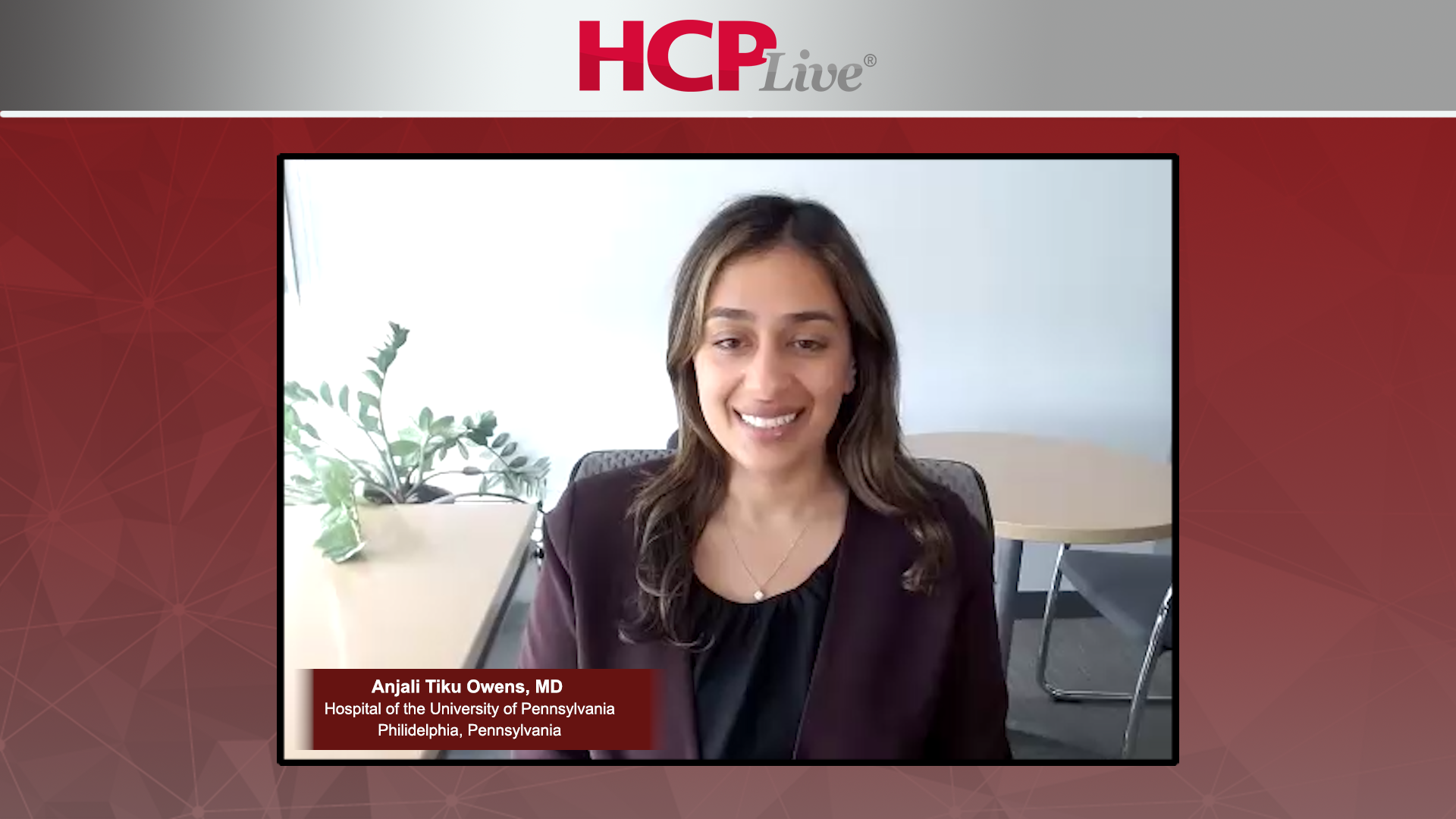
Anjali Tiku Owens, MD, explores the role of cardiac myosin inhibitors in the treatment strategies for patients with obstructive hypertrophic cardiomyopathy (oHCM), in accordance with the latest European Society of Cardiology (ESC) Guidelines released in 2023.

Robert Rosenson, MD, discusses the results of the ARCHES-2 trial and how it informs the potential of ANGPTL3 inhibition as well as RNAi therapies.

Brendon Neuen, MBBS, PhD, joins the podcast to discuss the latest updates in nephrology, including the landmark FLOW trial.
Michael Blaha, MD, highlights the potential of GLP-1 agonists in lowering LDL cholesterol, triglycerides, and body weight in patients with diabetes, presenting them as an additional option for reducing cardiovascular risk in this patient population.
The panel of medical experts addresses the challenges in raising awareness among healthcare providers about various medications and the need for increased awareness of the REDUCE-IT trial outcomes.

Robert Rosenson, MD, discusses the unmet need in mixed hyperlipidemia and the potential for RNA interference therapies in this patient population.
A phase 2 trial suggests zodasiran significantly reduces triglycerides in patients with mixed hyperlipidemia, showing dose-dependent improvements in lipid profiles.

Semaglutide 1.0 mg reduced major kidney disease events and slowed eGFR decline in patients with type 2 diabetes and chronic kidney disease, according to the FLOW trial.
A expert cardiologist delves into the insights gained from clinical trials assessing Cardiac Myosin inhibitors (CMIs) for the treatment of obstructive hypertrophic cardiomyopathy (oHCM), with a particular focus on the EXPLORER-HCM trial, which investigated the efficacy and safety of mavacamten in managing oHCM.
Anjali Tiku Owens, MD, examines the unmet needs in treating obstructive hypertrophic cardiomyopathy (oHCM) and explores how novel Cardiac Myosin inhibitors (CMIs) address the root cause of the condition.
Erin Michos, MD, highlights several notable emerging lipid-lowering treatments, including bempedoic acid, the ANGPTL3 inhibitor evinacumab, the MTP inhibitor lomitapide, the ApoB-100 inhibitor mipomersen, and the ApoC-III degradation molecules volanesorsen and olezarsen.
Michael Koren, MD, discusses the recently released results from the VICTORIAN-INITIATE (V-INITIATE) trial, which were presented at the 2024 American College of Cardiology (ACC) Annual Scientific Session in Atlanta.

Ashley Malliett, DMSc, MPAS, PA-C, discusses the importance of timely diagnosis and initiated care, as well as contraindications for transplants and LVAD.
Malliett discusses the signs that a caregiver should refer to an HF specialist for advanced care options, including LVAD and heart transplant.

Fortman reviews the state of the 2021 AHA/ACC guideline recommendations to pursue shared decision making and cost-efficient testing strategies.
An AAPA 2024 session reflected on the joint AHA/ACC chest pain guidelines, particularly the adoption of high-density troponin level testing since 2021.

During AAPA 2024, a group of session presenters provide recommendations for the next year's agenda based on trends and development.

With incidence climbing amid climate change, an emergency medicine doctor has advice on prevention of cardiovascular and dermatologic effects.

With agents like semaglutide and tirzepatide becoming household drug names, Peterson discusses the short-term future of incretin drug development.

New analyses show adults aged ≥65 years old are at about 30% increased risk of hypertension when diagnosed with diabetes mellitus.
Deepak Bhatt, MD, MPH, MBA, reviews the efficacy and safety data of inclisiran, highlighting its long-term effects and noting that injection site reactions are among the most prominent adverse reactions associated with this medication.
Michael Blaha, MD, discusses the efficacy and safety of novel targeted therapies for lowering LDL cholesterol and emphasizes the importance of long-term data in building patient confidence in this new treatment option.

A post hoc analysis from FIDELITY shows finerenone could significantly reduce eGFR slopes among patients at risk of worsening CKD due to a heart failure hospitalization.

The SEQUOIA-HCM trial presents aficamten as a promising treatment for symptomatic obstructive hypertrophic cardiomyopathy, showing significant improvements in multiple endpoints.

Nieca Goldberg, MD, discusses important news and updates in cardiovascular health among women from the early portions of 2024.
Advertisement
Advertisement
Trending on HCPLive
1
eGFR Underestimates CKD in Patients with Cancer, Study Finds
2
Tegoprubart Improves Quality of Life vs Tacrolimus After Kidney Transplant
3
42% on Povetacicept Reach KDIGO-Aligned UPCR Target in RAINIER
4
The HCPFive: Top News for Healthcare Providers from the Week of 10/18
5